Menu
  Du Jardin Beauty
  • Home
    • Workshops & Events
    • Spotlight
    • Reviews & Testimonials
  • Shop
    • HOLIDAY GIFT SHOPPE
    • eGift Cards
    • Luxury Skincare
    • Herbal Haircare
    • Best-Sellers
    • Multi-Purpose Utility Soaps
  • GIVING BACK
    • Wild & Locally Sourced
    • Charity: New Hope Midcoast
    • Fair-Trade Items
  • LEARN
  • About Us
    • FAQ's & Policies
    • Contact
    • Services
  • Wholesale
  • Home
    • Workshops & Events
    • Spotlight
    • Reviews & Testimonials
  • Shop
    • HOLIDAY GIFT SHOPPE
    • eGift Cards
    • Luxury Skincare
    • Herbal Haircare
    • Best-Sellers
    • Multi-Purpose Utility Soaps
  • GIVING BACK
    • Wild & Locally Sourced
    • Charity: New Hope Midcoast
    • Fair-Trade Items
  • LEARN
  • About Us
    • FAQ's & Policies
    • Contact
    • Services
  • Wholesale

Du Jardin Learning Center

ACIDIC HAIR RINSES: Why Your Hair Needs One

3/1/2024

3 Comments

 
You may be thinking "Me? I need one?", "How could that benefit my hair & why?", or even "I don't want to smell like a salad!" Safe to say, there is a lot of confusion & mis-information floating around out there -- So let's jump in & explore this subject in depth. Read on to learn about acidic rinses, your hair's needs, & even how to make your own rinse & use it properly!
Picture
THE WHY:  Have you ever wondered why it is that we even have special ‘soap’ for our hair & don’t simply use the same cleansers we use on our bodies? The answer is quite simple really:  Your Hair & Scalp need an acidic environment. 
By ‘acidic’ I am talking about the natural
pH, or Potential of Hydrogen, of the hair & scalp.  This natural acidic pH of human hair, generally between 4.5 & 5.5 on the pH scale, prevents the growth of bacteria & fungi, & it also keeps the hair cuticle closed & the scalp healthy. This is how “Shampoo” came to be & it is also why using an acidic rinse on your hair provides such amazing benefits.
Picture
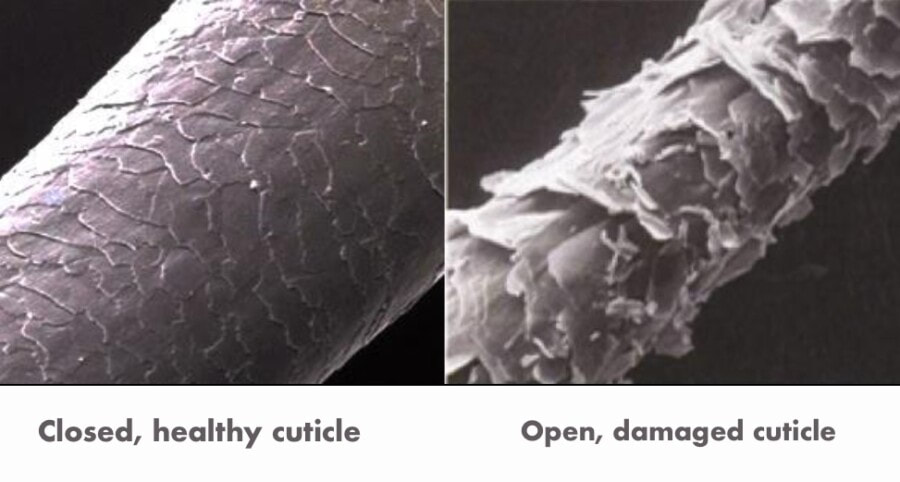
It seems like an acidic rinse would dry out & weaken hair, but the opposite is true! By closing down the cuticles, an acidic rinse strengthens & protects hair strands. The outer layer of each strand or hair shaft is composed of layers of overlapping scales, similar to snake skin. These scales are known as the cuticle. Your scalp & hair are protected by a thin acidic film called the acid mantle, which plays a very important role in caring for your hair. ​
The acid mantle causes the cuticle scales to lay flat, locking in moisture, making each strand stronger, & causing each strand to be more reflective. [flat cuticle = SHINY hair]  Everytime you wash your hair, you disrupt your acid mantle, causing the cuticle scales to peel up on their ends & also leaving your scalp unprotected. ​
Picture
With open, raised cuticles, your hair cannot lock moisture in & is weakened, causing the strands to break more easily.  Additionally, if you have hard water [Hello! New England!] you will find that the minerals in your water stick to those raised ends of cuticle, creating build up. The results are pretty tragic – an itchy, dry scalp & dull, dry, lifeless looking hair that breaks easily – while your body works to rebuild & fortify your acid mantle. And this happens every single time you wash your hair! THIS is where an acidic rinse comes in like a hero to save the day!  Using an acidic rinse will reset your pH & acid mantle, remove build-up from hair, close your cuticle strengthening hair shafts, & add beautiful shine, easily fixing every single one of those issues! 
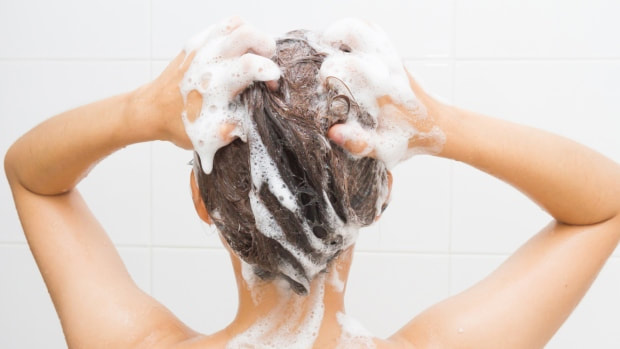
Those using traditional shampoos & conditioners should use an acidic rinse once a week to clarify their hair, remove mineral buildup, & fortify their acid mantles. For those of us using SLS-Free Shampoo Bars, you will ABSOLUTELY have the best results if you follow washing with an acidic rinseEVERY TIME and this is why–​
Picture
Good-quality, natural Shampoo Bars are formulated specifically for hair with pH in mind. When produced properly, natural shampoo bars will have as low a pH as possible. For example, our Du Jardin Shampoo Bars are super-fatted & have salt water added to lower their pH. This helps significantly, but the bars are still soap & therefore still mildly basic/alkaline in pH.
​Since healthy hair must be slightly acidic in order to protect the scalp & keep the cuticle closed, following your cleansing with ANY natural shampoo bar with an
acidic rinse is the best way to close the cuticle, balance your pH, & restore your acid mantle. 
Picture
When discussing switching to natural Shampoo Bars, you may have heard of the dreaded “Transition Period” as a deterrent to changing over. However, use of an acidic rinse basically negates this awkward hair phase.
Traditional [toxin-laden] surfactants like SLS generally overstrip the hair, which causes your body to produce more & more sebum in an attempt to replace what you keep taking away. Most people find that their bodies stop over producing sebum pretty quickly once SLS is removed from use – especially when a regular Acidic Rinse is used. 

Once you quit over stripping your natural sebum & begin to fortify your acid mantle, you will find your hair & scalp are MUCH happier. Many find their hair looks cleaner longer, is softer, & is much more manageable. The scalp stops being itchy & flaky. ​
Almost every one of our SLS-Free Shampoo Bar customers tells us that they need to wash their hair much less frequently & find it to be much less dry once they have used natural bars for a bit!  Again, using an acidic rinse will reset your pH & acid mantle, remove build-up from hair, close your cuticle strengthening hair shafts, & add beautiful shine. ​
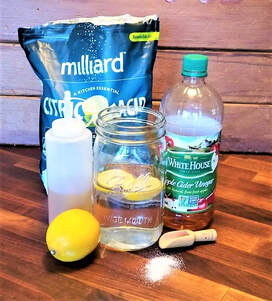
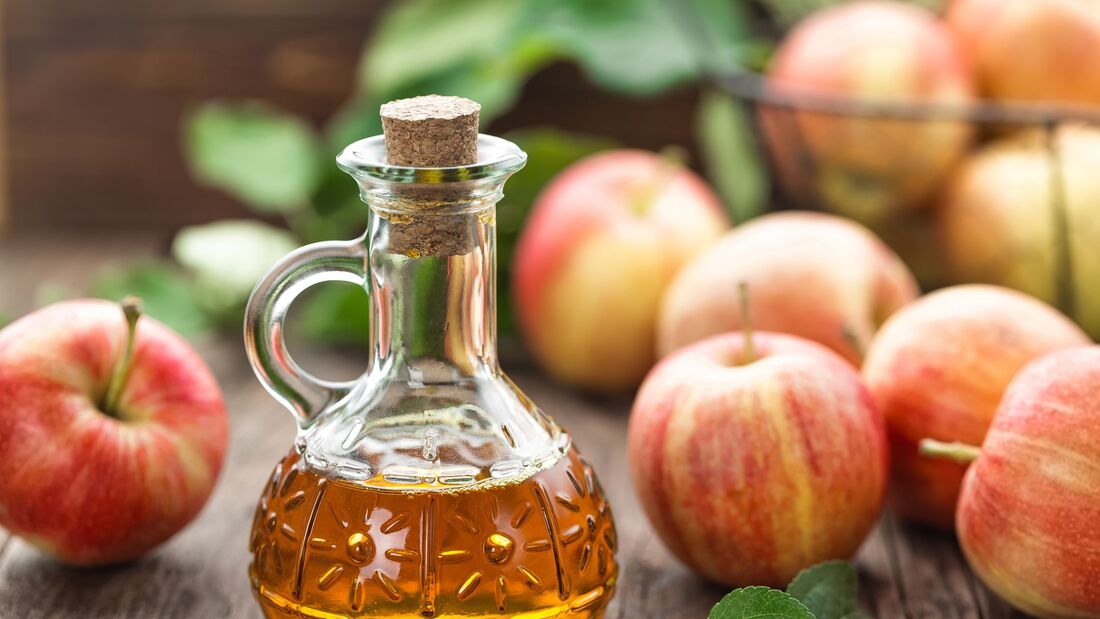
DIFFERENT TYPES OF RINSES:  There are many options & types of acidic rinses, some are shelf stable & some you can make yourself each week for your own use. Most Acidic Hair Rinses use one of 3 things to acidulate them: ACV or Apple Cider Vinegar, Citric Acid, or Lemon Juice.
​You can easily & inexpensively make your own rinse by keeping a bottle with
1 or 2 TBS of lemon juice per 1 cup of water at hand. That ratio is slightly different if you want to use citric acid or apple cider vinegar instead of lemon : 2 TBS : 1 Cup water.  
​
Picture
You can easily make your own rinse at home
Picture
Apple Cider Vinegar has the very best effect
All of these are effective & simply a matter of personal preference-- although I will say, if you can handle the scent of the ACV, you will be rewarded with well balanced & incredibly shiny hair! It certainly seems to have the very best effect of hair. The strong vinegar scent dissipates completely by the time your hair is dry, but is so powerful when applying that many find it a deterrent, myself included. 
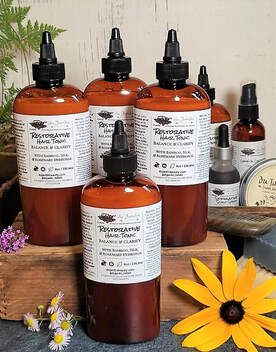
One of the biggest requests we had from customers has been for a shelf-stable Acidic Rinse option & I am delighted to say I have formulated one I am proud to offer. Our Restorative Hair Tonic is now available & makes it even easier to leave traditional shampoo behind! Formulated with apple cider vinegar for best effects, but masking its strong odor with a delightful blend of essential oils, it provides additional soothing & strengthening benefits to the scalp & hair over a simple water/acid mix.
shop our acidic hair tonic
Picture
Picture
THE HOW:    Okay– now that we have learned about WHY acid rinses are a great idea, let’s look at HOW to use them. Truly, using a rinse is a simple, easy step, indeed easier even than using a bottled conditioner. Your chosen rinse can be applied in the shower or once you are out.
I prefer to use mine just before getting out of the shower: Once I finish my shower & turn off the water, I apply my rinse, squeezing a bit of my rinse out in a couple different spots around my scalp. I then work it through my hair & rub it into my scalp a bit before wrapping my hair/head with a towel. Those with long hair may find a wide tooth comb makes it easier to distribute for them. I leave the towel wrapped on while I brush my teeth & use my skincare. I then take off the towel & brush my hair–
​Voila! I am ready to roll! 
I do not rinse my rinse out & I find this works best. Allow hair to dry naturally or blow dry afterwards as you normally would. People with particularly hard water find using distilled water when making their own rinse has fantastic effect as well

I hope this has clarified the subject of acidic rinses for you! [sorry for the terrible pun– I couldn’t resist!] For those of you looking for more information on Making the Switch to Natural Shampoo Bars from Traditional Shampoos, please check out our Learning Center post on that here.
​
Remember, SMALL CHANGES  +   DAILY  =  BIG DIFFERENCES

Stimulating SLS-Free Shampoo Bars

Shop

Restorative Hair Tonic To Balance & Clarify

Shop

Stimulating Scalp Serum With Wild-Foraged Horsetail & Nettle

Shop

SLS-Free Shampoo Bar Sampler Set

Shop

Volume & Shine SLS-Free Shampoo Bar

Shop

Conditioning Hair Oil

Shop

Balance & Body SLS-Free Shampoo Bars

Shop

Nourishing SLS-Free Shampoo Bar

Shop

Leave-In Hair Conditioners

Shop
3 Comments

INGREDIENT SPOTLIGHT: Queen Anne's Lace/ Wild Carrot

2/6/2024

0 Comments

 
One of the most powerful natural retinol alternatives & she is likely growing out in a field near your house! 
Picture
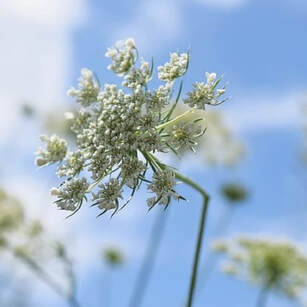
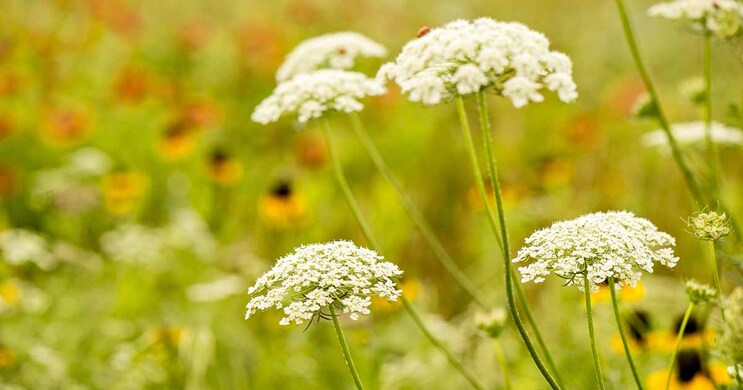
Queen Anne's Lace:  Daucus carota [Wild Carrot]
Picture
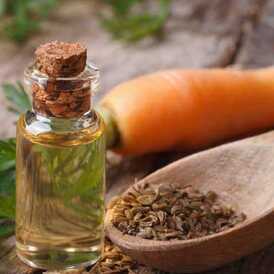
Cosmetic Properties: Packed full of Vitamin C, carotenoids, & powerful antioxidants. This Herbal Ally is traditionally used to boost collagen production & help to repair sun damage on the skin, performing like a natural retinol replacement. It has been shown to brighten & tone the skin, tightening to prevent it from sagging. Carrot Seed Oils, both essential oils & pressed, help to remove hyperpigmentation by hindering tyrosinase in the skin, & leave skin with a natural
​radiance & glow
.
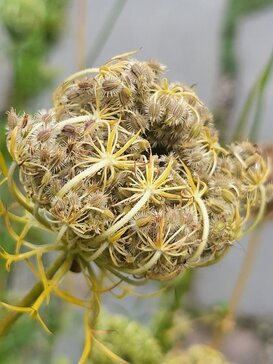
For Our Products:  Her bounty of constituents are derived from the plant’s seeds, which form late in their growing season. As the beautiful flowers of Queen Anne's Lace begin to fade, the flower umbels curl inward upon themselves like tiny bird's nests, & the florets become the potent seeds. This is the time to extract their amazing pressed oil & use them to make essential oil & hydrosol.We use all three extractions in our products.

​
Are you obsessed with our Immortelle Cleansing Balm, Rejuvenating serum or Immortelle Velvet Balm? These amazing & powerful seeds are 100% one of the reasons why!
Picture
THIS is where that magic ingredient comes from!
Picture
Picture
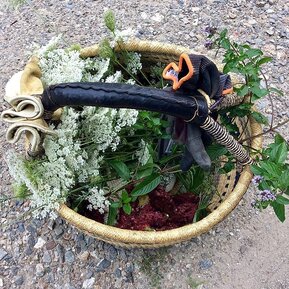
Wild Foraging:  Her flowers grow in umbels or clusters of tiny flowers. It is a member of the Apiaceae family, which includes some poisonous, dangerous plants, so it is very important you are 100% sure what you are gathering when collecting QAL.
Fortunately, Queen Anne’s Lace is easy to recognize when you know what to look for. An easy key ID factor is
“The Queen Has Hairy Legs”-- Queen Anne’s Lace has solid, green stems covered with tiny ‘hairs’ while her dangerous lookalikes, Poison Hemlock & Water Hemlock, both have hollow, smooth stems
​with purple splotches.

​This beauty is considered INVASIVE. This means harvesting with care as to not unintentionally spread the plant, but it also means that large amounts can be gathered without worry of harming future supply or environment. But remember, our beloved pollinators are always happy to see her flowers too!
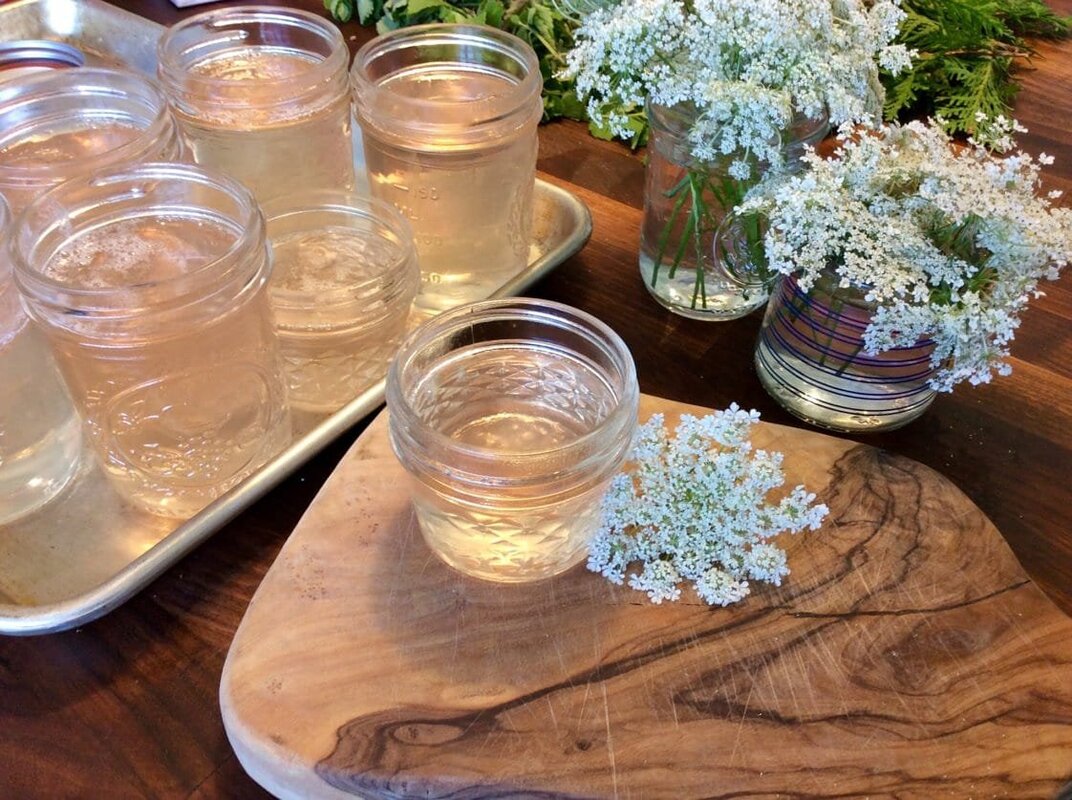
BONUS:    And if these gifts this plant provides for us weren’t enough, Queen Anne's Lace flowers are edible & delicious!  Check out our Herbal Spotlight on Queen Anne’s Lace for a lovely [& easy!] QAL Wildflower Jelly recipe!
queen anne's lace
​wildflower jelly
Picture
Find queen Anne's Lace In These Products
Immortelle Cleansing Balm With Wild-Foraged Sea Lavender

Shop

Orange Blossom Hyaluronic Facial Mist

Shop

Immortelle Rejuvenating Serum With Wild-Foraged Sea Lavender

Shop

Immortelle Rejuvenating Velvet Day Balm

Shop
0 Comments

Herbal Spotlight: Butterfly Pea Flower, About & Uses

2/15/2022

1 Comment

 
Picture
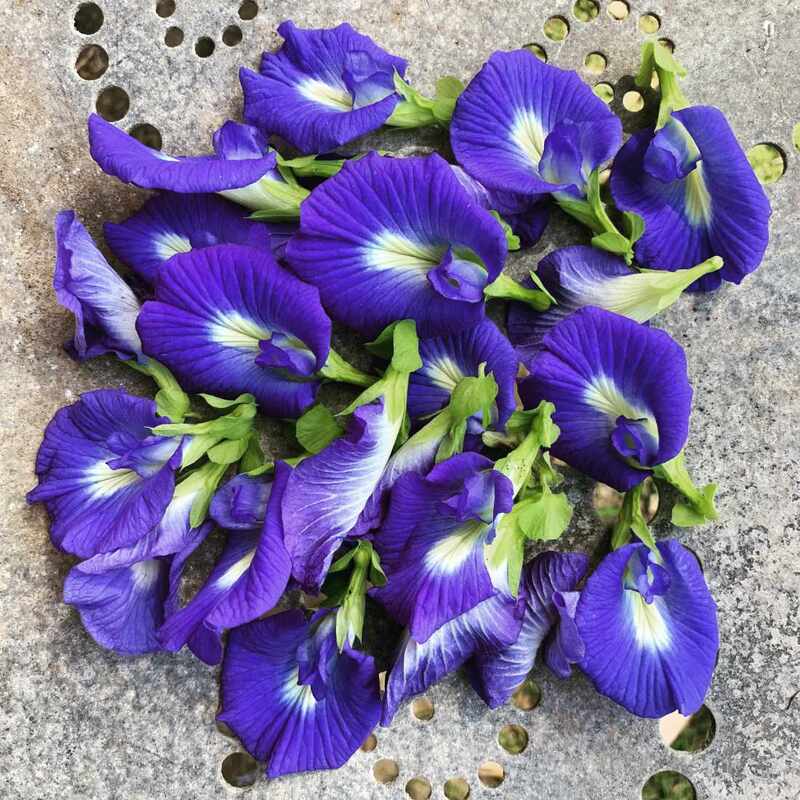
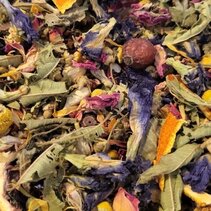
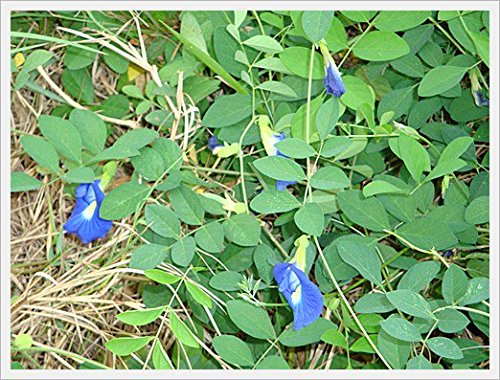
Butterfly Pea Flowers [Clitoria ternatea] provide gorgeous natural color, as well as many benefits for the mind and body. Add some natural Botanical Blue to your routine & brighten things up as we explore these amazing flowers & their benefits, & their uses.
Picture
 More than just a pretty face, Butterfly Pea flowers are a powerful Herbal Ally! Native to Southeast Asia, these flowers have been used for centuries as a memory enhancer, brain booster, anti-stress & calmative agent; they are staples of Chinese & Ayurvedic medicine. Clitoria ternatea are considered to be adaptogenic. Adaptogens are substances that work to help the body resist stressors of all kinds, whether physical, chemical or biological, & to exert a normalizing effect upon bodily processes. They are packed full of antioxidants, flavonoids,& peptides, as well as anti-inflammatory compounds, particularly anthocyanin, which are believed to support cardiovascular health. 
They also contain catechins, which are said to be instrumental in burning belly fat, aiding weight loss as well as helping to control blood sugar. Drinking butterfly-pea flower tea is purported to rev up your metabolism, making the body burn more calories.
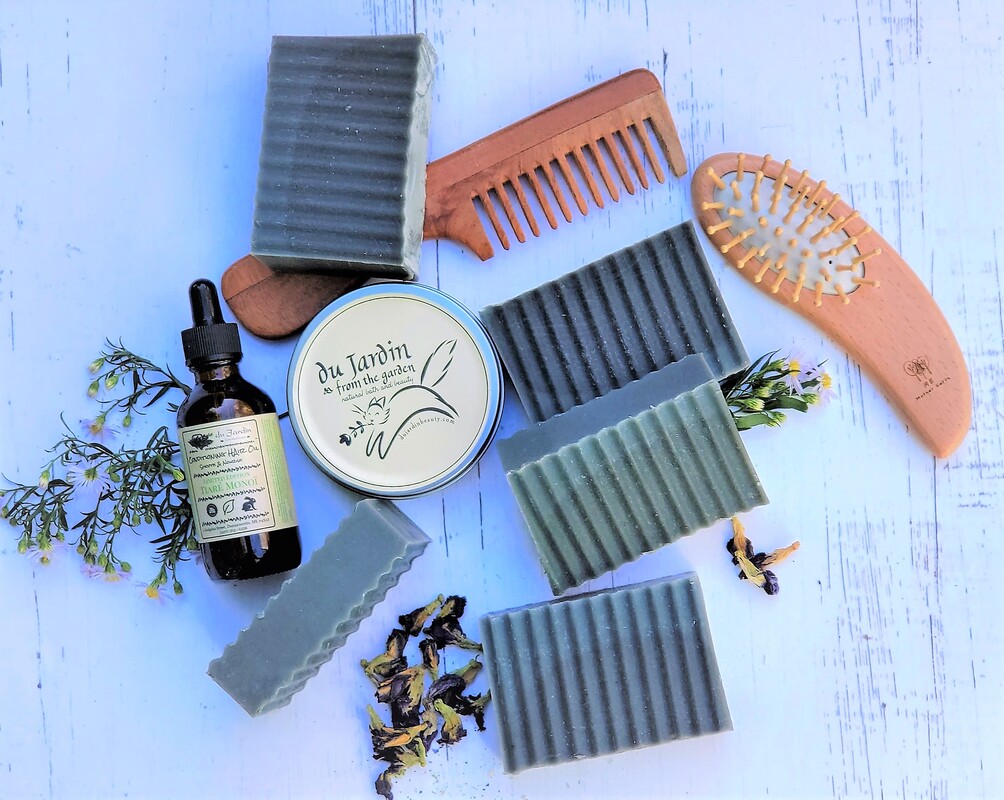
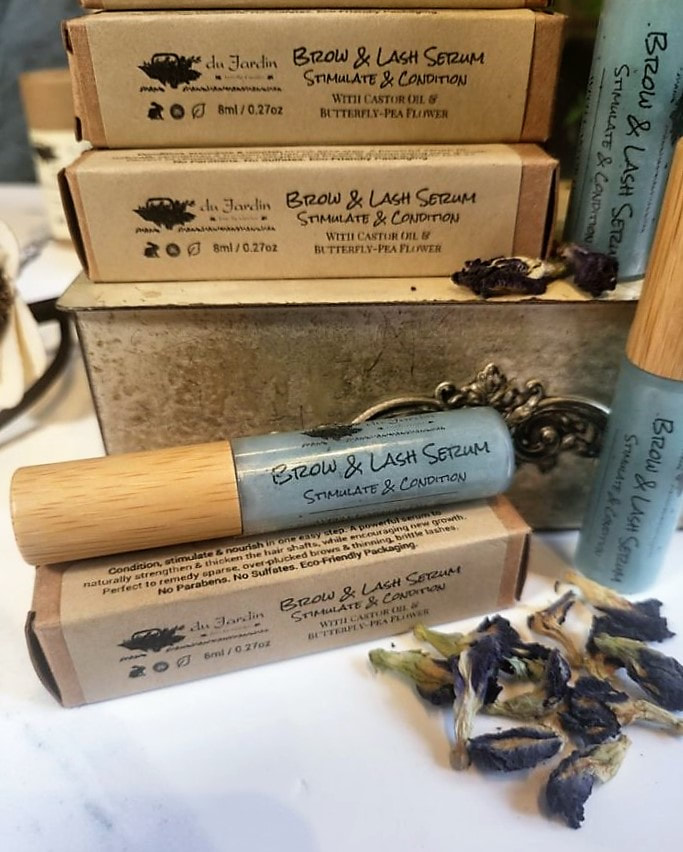
Butterfly pea flowers are also traditionally used cosmetically to stimulate hair growth, & to support glowing skin & graceful aging. The compound anthocyanin is known to increase blood circulation & helps to maintain a healthy scalp. It also aids in strengthening the hair follicles from within, resulting in increased hair growth. In fact, a 2012 study found these flowers to be more effective than the commonly prescribed minoxidil at promoting hair growth. Additionally, the flowers have been used in Thailand for centuries to make a rinse for the hair that is said to keep the dark color of the hair longer! They are considered one of nature's most effective ingredients for promoting hair growth & darkening hair naturally. Infact, we offer an SLS-free shampoo bar  & A Lash & Brow Serum using these gems! 
​Our Stimulating Shampoo Bars are c
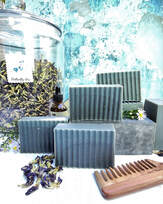
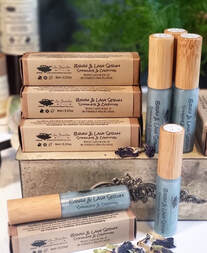
rafted with Butterfly Pea Flower Infusion & Neem Oil to naturally strengthen the hair shafts & encourage new growth, while our Brow & Lash Serum marrys it with the power of pure Castor Oil to stimulate & condition these fragile, fine hairs while encouragibng new growth.
Picture
Picture
shop our stimulating
​sls-free
shampoo bars here
Picture
shop Lash & Brow Serum
Picture
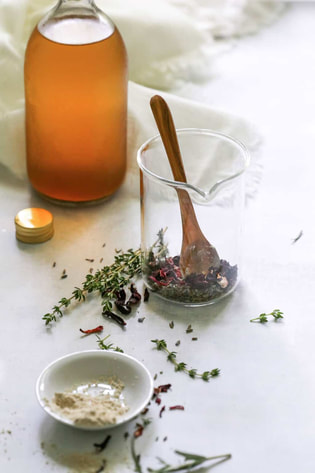
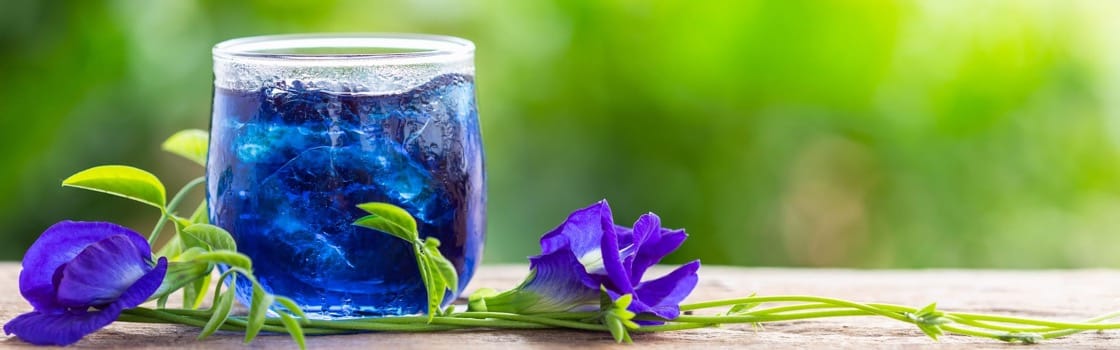
Butterfly pea flowers are most often used as a tea & have an earthy-green flavor similar to that of green tea. The dried flowers, when steeped, release a deep indigo-blue color. Due to this, they are also often used as a natural food coloring agent in Malasian, Thai, & Burmese cooking.
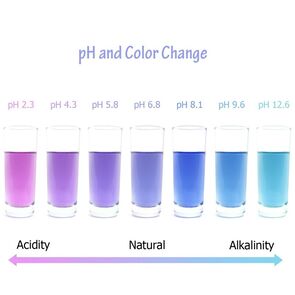
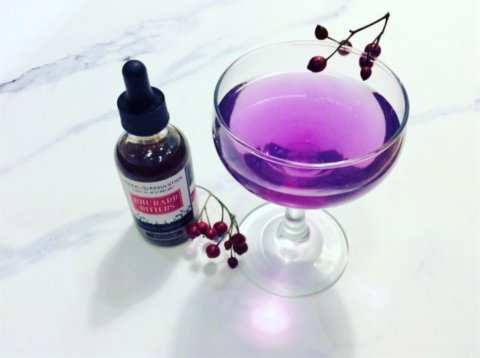
​Most interestingly, this color is pH sensitive, producing a wide variety of shades ranging from fuchsia to bright blue-green as it is exposed to different ingredient’s pHs! 
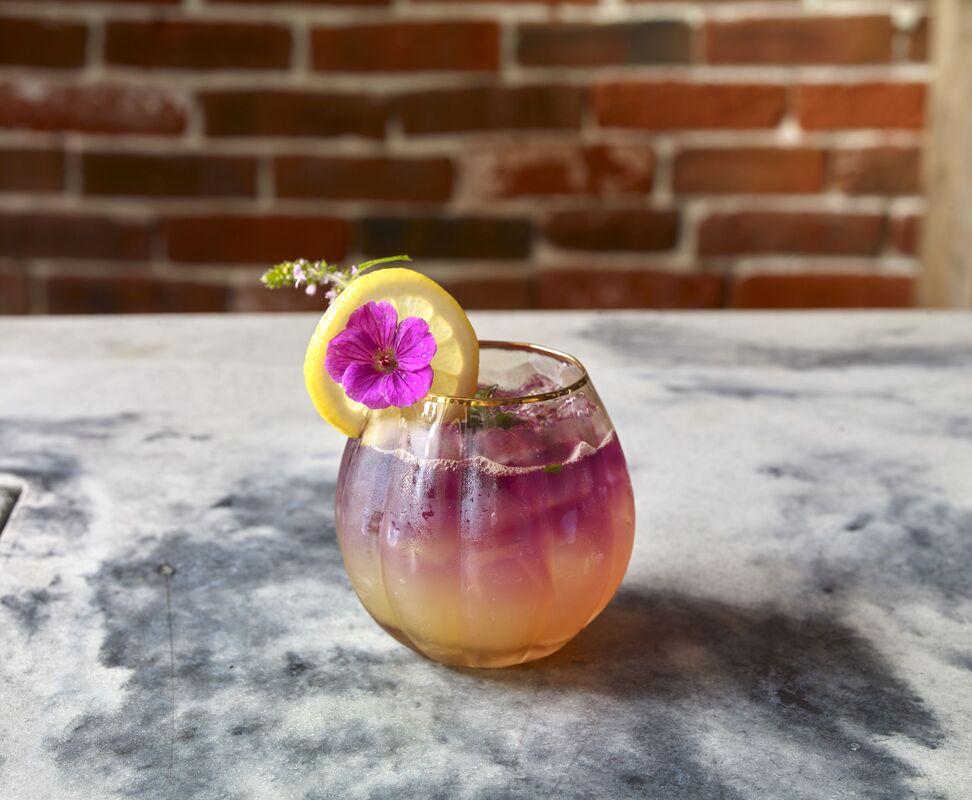
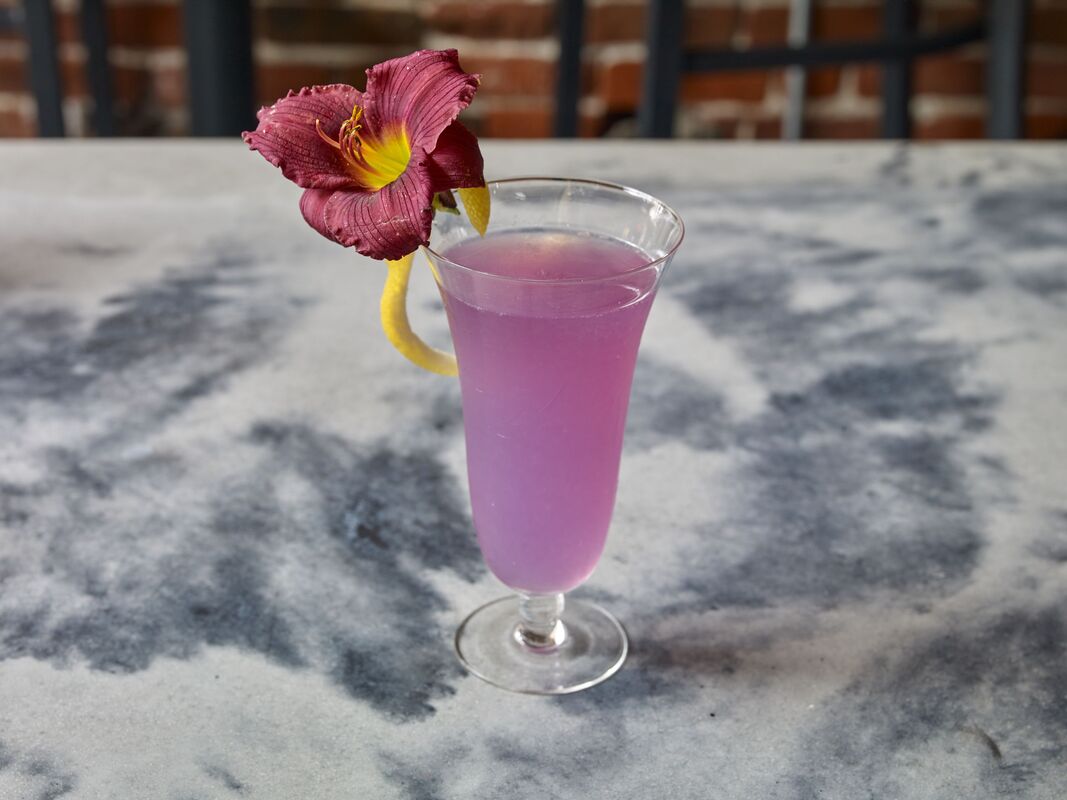
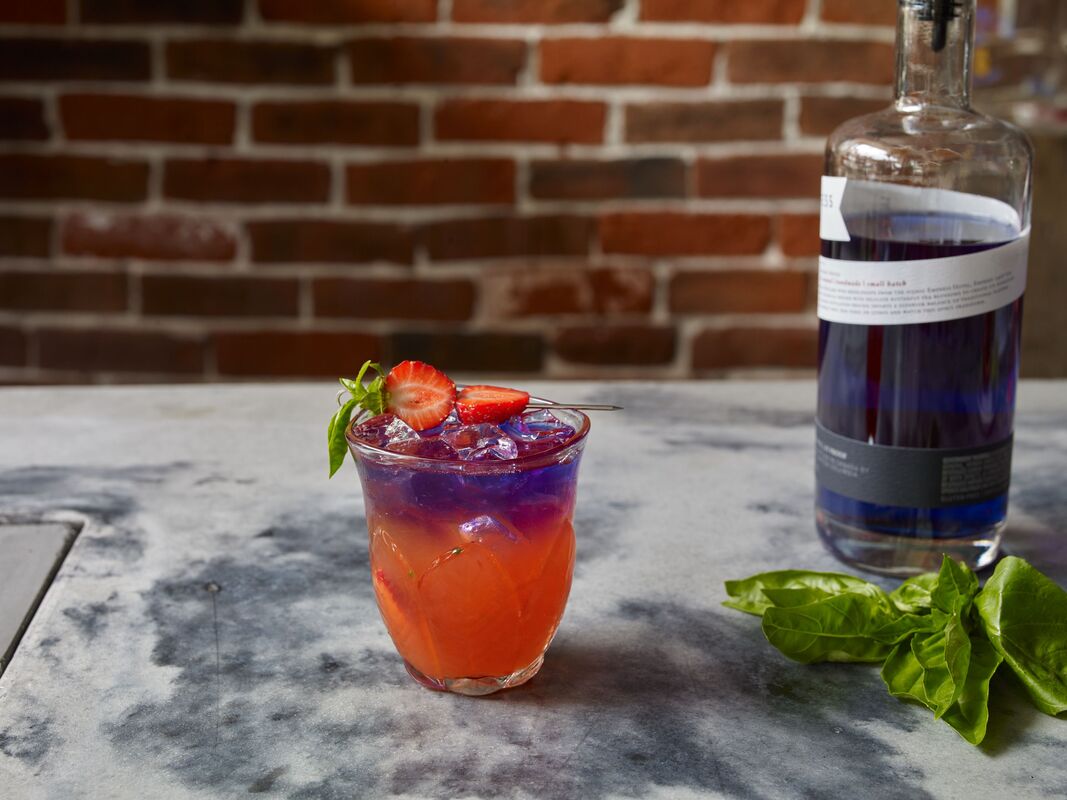
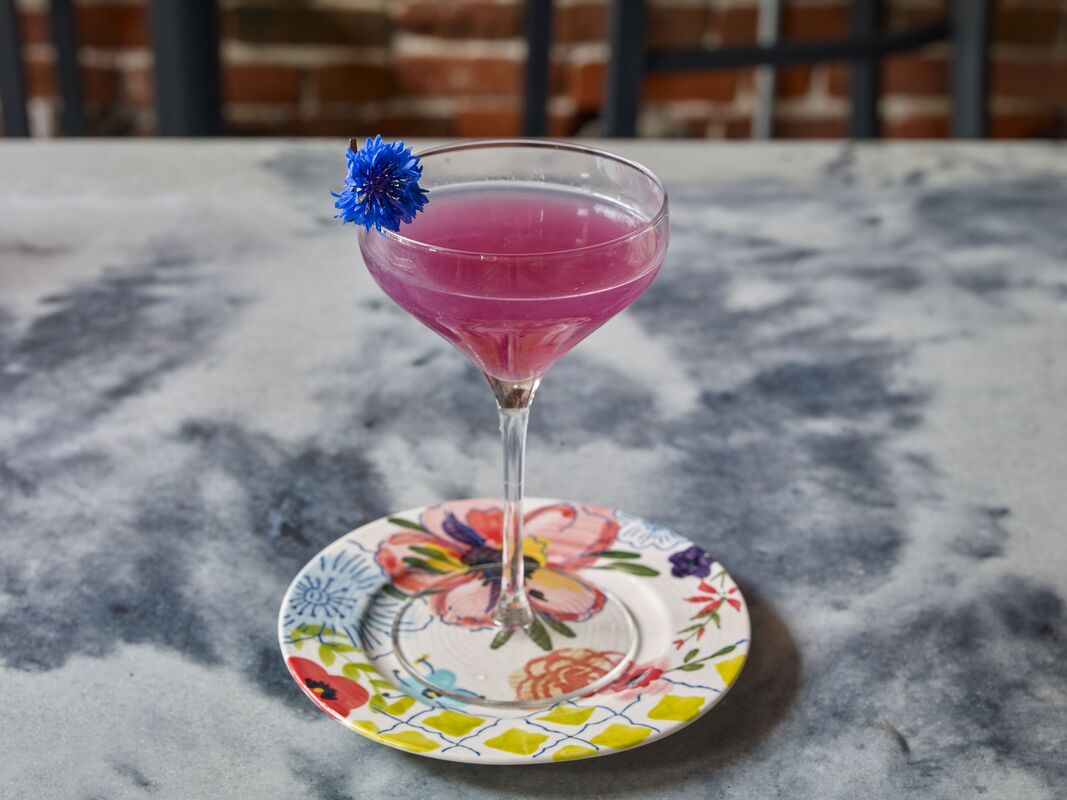
This makes the herb VERY popular for cocktails!  As anyone who knows me would expect, I have had quite a lot of fun playing with their effects & use them frequently in the drinks I craft. 

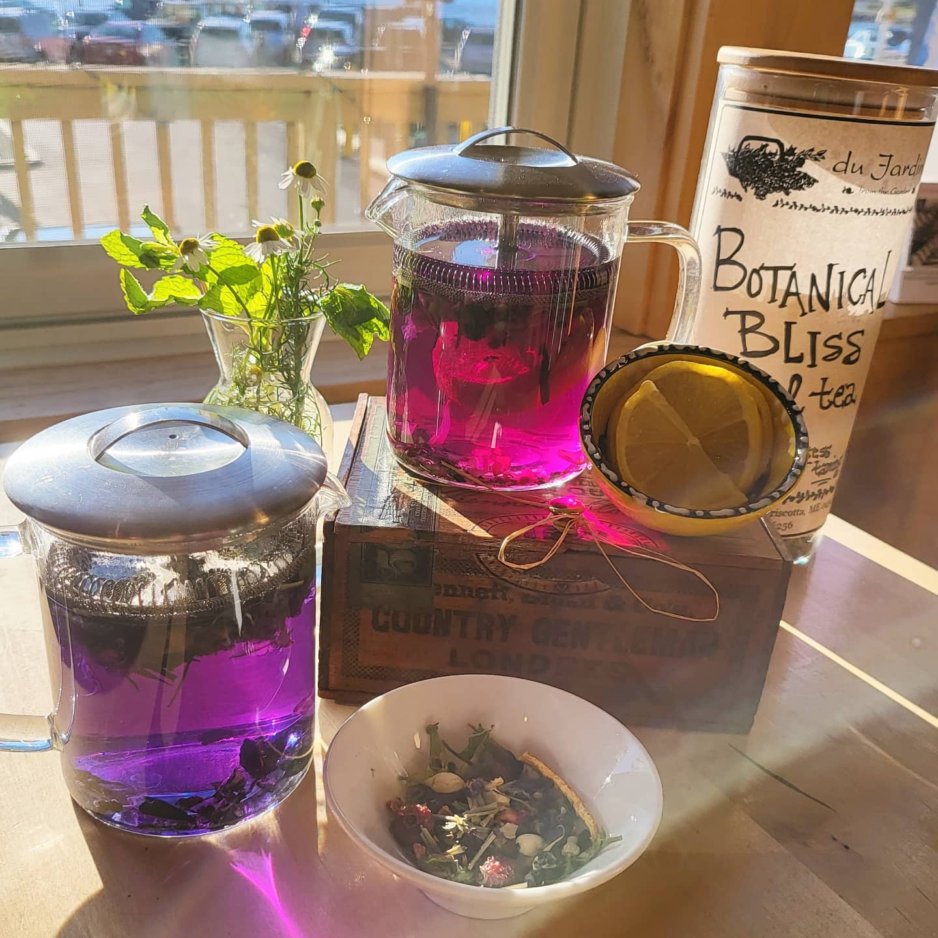
​ I also craft an adaptogenic tea blend which contains them called Botanical Bliss. It is comprised of 15 different herbs & spices, including tulsi, elderflower, & nettle; many of these ingredients are wild-foraged. 
Picture
Picture
Enjoy naturally deep blue tea -- Or add a slice of lemon to turn yours fuschia!
​Want to play with them yourself?  We also offer individual herbs, including butterfly pea flowers, for sale bulk here in store & online.

Organic Butterfly Pea Flowers, Hand Foraged

$3.95 - $12.95

Wild harvested & carefully dried to preserve the whole flower heads. Our butterfly pea flowers are collected by hand in Thailand by Supanij Farm. 100% organic & wildcrafted. Dried flowers can be used in tea, cordials, tinctures, & syrups, as well as in cooking & beauty products. Delightfully pH sensitive, on their own they provide a deep indigo blue color, add an acid [like lemon juice] & watch it turn a vibrant purple-fuchsia! Flavor is an earthy floral-green note.

Sold by volume in 1 oz [about 5g] & 2 oz [10g] bags or 4 oz bail-jars that contain 3 ounces by volume [15g] of dried herbs.

Shop
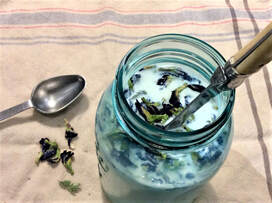
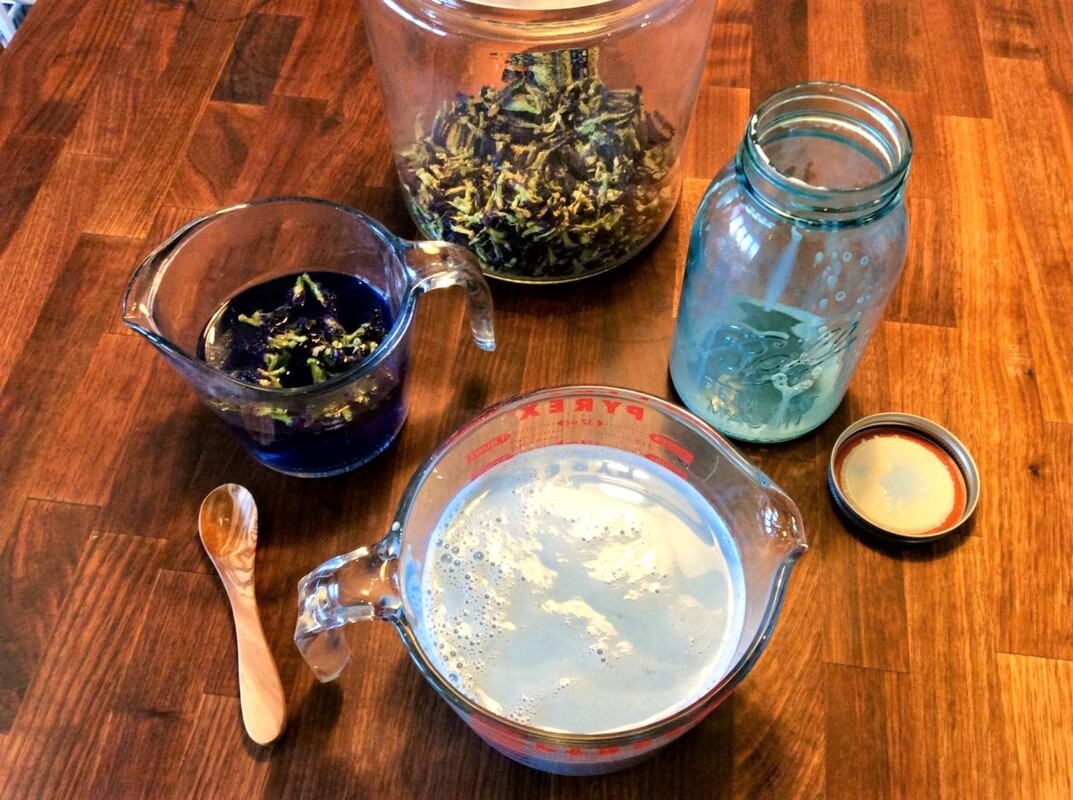
The flowers can be steeped directly in all liquids, not just hot water, & the color is sure to thrill the child [or child-at-heart] in your life. Using them to create true blue milk is particularly fun for Star Wars fans. The pH color shift is really fun to play with as well – Simply add a slice of lemon to your tea & watch it go violently fuschia! 
Picture
Steeping Butterfly Pea Flowers In Milk
Check Out My 'Winter Blues' rice Pie Recipe Here
More than just the sheer strangeness of the colors, remember you are getting the herbal benefits of the butterfly pea flowers. This Herbal Ally provides so many benefits for mind & body. It is definitely worth adding to your own tea selection or Herbal Apothecary. 
I hope you enjoyed this look at these amazing flowers. Let me know how you like to use Butterfly Flowers & what color combo you create!   Until next time--Stay safe &  #StopAndEatTheFlowers ​
1 Comment

Herbal Spotlight: Ginger, with an easy Ginger Liqueur Recipe

12/12/2021

1 Comment

 
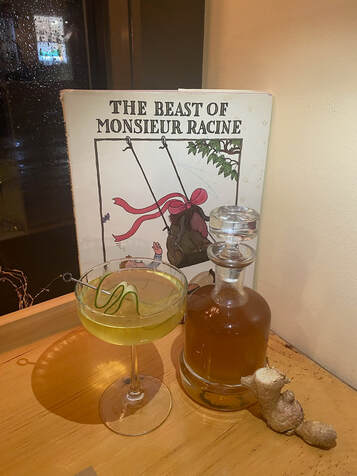
​Warm, spicy ginger is an ideal Herbal Ally for the colder Winter months. It has been used as a spice & medicinally for hundreds of years. In this post we will discuss some its properties & traditional uses, & I will share my recipe for a quick, easy Ginger Liqueur to enjoy on the imminent chilly evenings–
Ginger [zingiber officinale] is a member of the zingiberaceae family; the utilized part of the ginger plant is the rhizome, or the underground stem. It is an important cooking spice used all over the world in widely varied dishes from Indian curries to British gingerbread. Every form it can take, including fresh, dried, pickled, preserved, crystallized, candied, & powdered, has myriad uses in dishes from savory to sweet. Ginger is without a doubt the most versatile of flavors.
Picture
photo: K.Menard

Read More
1 Comment

Wow Them: Easy Salt-Preserved Lemons

11/29/2021

0 Comments

 
Give a Moroccan, umami lift to your cheese & charcutierie boards!  These preserved lemons are easy to make & will be ready in just 3 weeks---
Picture
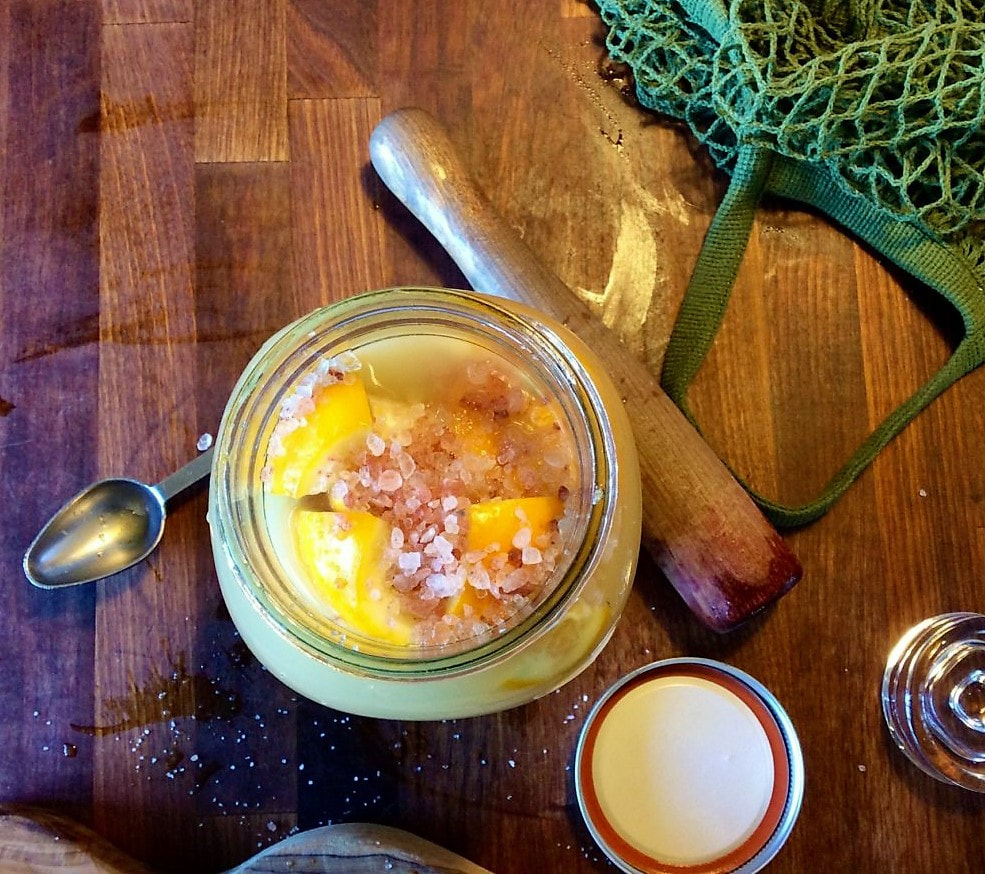
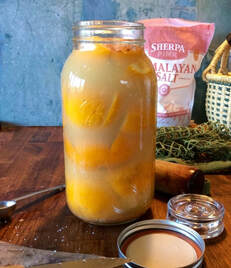
Salt-preserved lemons, a popular ingredient in many Middle Eastern & Moroccan recipes,  are often found for sale in foody boutiques & are usually quite expensive. If you've ever tasted them, you know what a lovely punch they pack! Their  bright & deeply umami notes are quite Heavenly & can be used in myriad ways. Perfect on cheese boards, in dressings & compound butters, & to highlight entrees, preserved lemons are definitely worth exploring! What you may not realize is that they are extremely easy to make at home, for all you really need is lemons, salt, & time. 
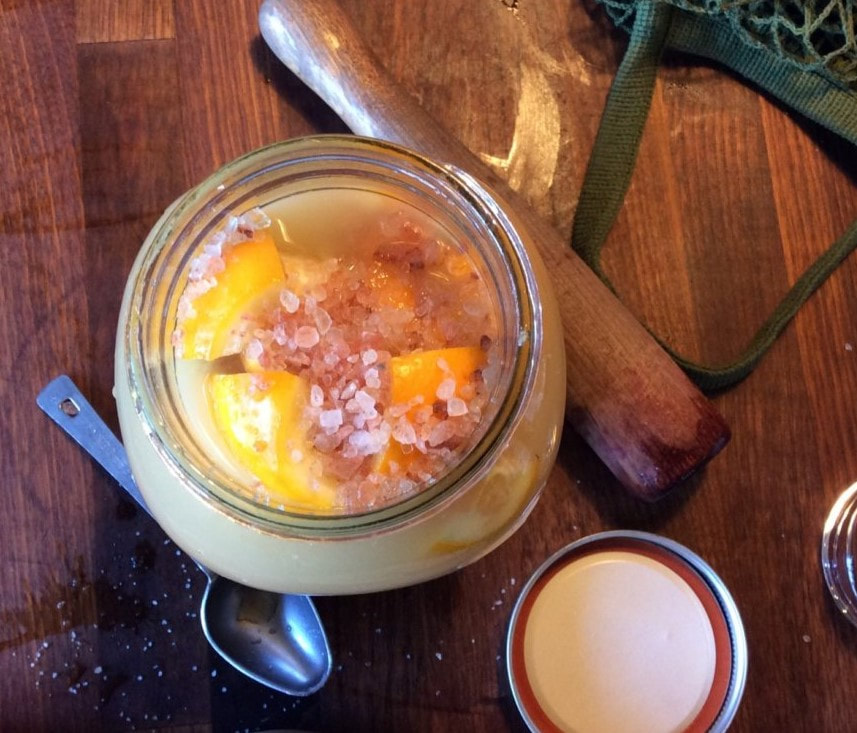
The method to preserving them is so easy --  cut lemons, rub them with salt, then press them into Mason jars in layers with more salt & ensure they are covered in lemon juice. And then you WAIT for 3-4 weeks, shaking your jar everyone in a while. There are tons of posts online giving detailed instructions; one of the clearest can be found here.
​ 
Instead of method, I will focus on details & tips, as well as some easy uses for your pickled treasures once their transformation is complete. 
Picture
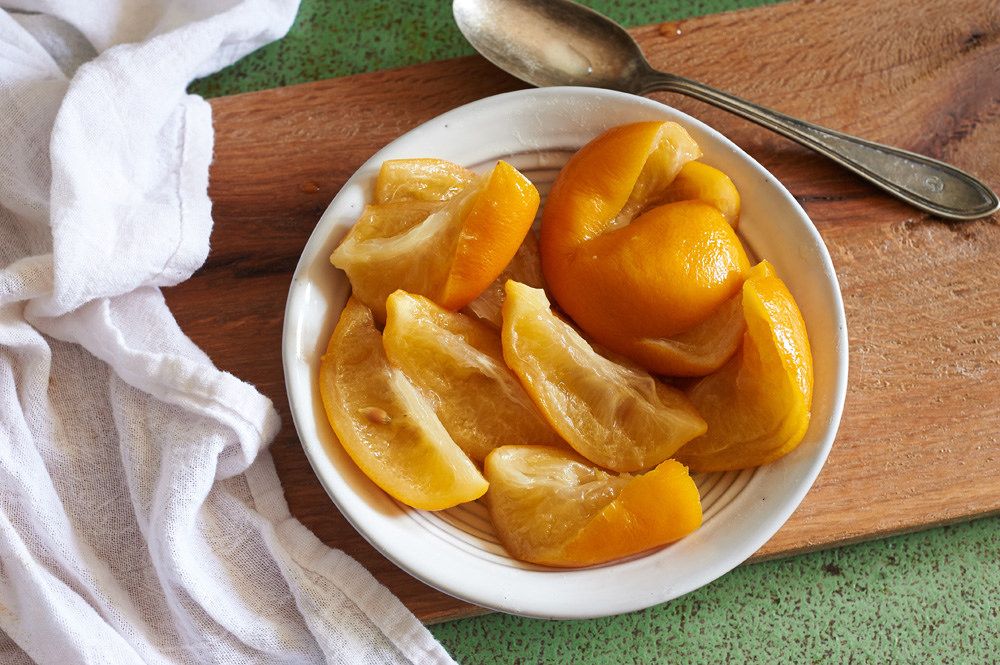
Bowl of Preserved Lemons. Image: Food52
Picture
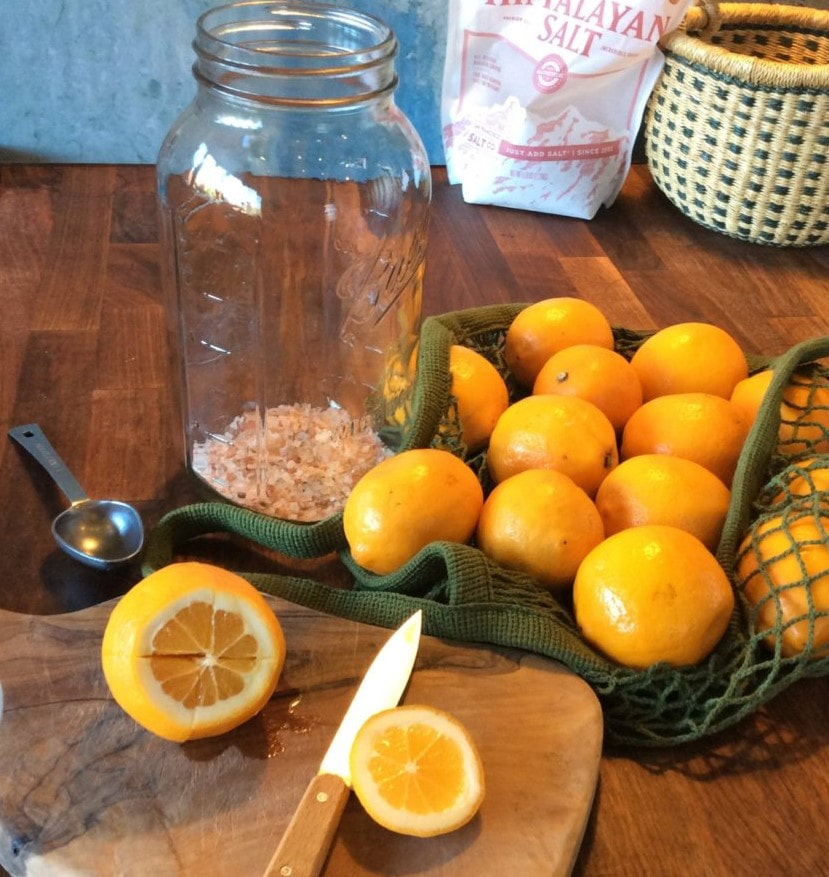
I prefer Meyer Lemons & Pink Himalayan Salt
First of all, I highly recommend using only organic lemons. The peels undergo the greatest transformation & are the true consumable prize in this endeavor, so we want to be sure they are free of pesticides & chemicals. The preserved flesh can also be used [salad dressings & purees are best] -- but it is truly the peel you will get the most use  of, so ensure they are as lovely as possible. Any type of lemon can be salt-preserved, but I enjoy Meyer Lemons best this way. Their unique flavor contributes even more complex notes to the ‘pickles’ & creates a truly divine flavor. Next, we focus on the salt used. Most recipes call for Sea Salt or Kosher Pickling Salt.   
Again, I like to buck tradition a bit & generally use Pink Himalayan Salt for mine, adding more unique notes as well as lovely health benefits. Lastly, it is important to be sure all of your fruit is completely submerged under lemon juice. Pickle stones are helpful for this. [seen in my pictures, they are simple, round glass weights] If fruit remains uncovered by the liquid, you run the chance of bacteria or mold occurring, which will ruin your batch. That is really all there is to it. One final note-- be sure to RINSE your lemon pieces as you use them!  Rather obvious in hind-sight, the sheer amount of salt used to preserve the fruit will overwhelm & mask the flavors you are creating if used directly from the bottle! I find these lemons ready to eat after 3 weeks, but they will continue to develop flavor the longer they are left to pickle & will last rather indefinitely if they remain submerged & your jar is tucked into the back of your refrigerator.

​F
or use with cheese & charcuterie, simply pull a section of two from your jar. Remove the lemon flesh [you can save this for use another way by tucking it back into your jar & submerging again] & rinse with cold water. Slice the pickled peel into thin strips or squares & marvel at how well it pairs for all the selections on your boards! Truly fantastic!
Picture
Picture
More than just paired with cheese, there are so many ways to enjoy the preserved lemons. Try adding them to compound butter [pure Heaven on a steak] or replacing the lemon used in some of your favorite savory recipes with them. For example, Preserved Lemon Chicken Piccata takes a favorite dish to a whole other level!  Also, check out this great article from Food52 for 5 dinner recipes to make with them: food52.com/blog/10589-1-jar-of-preserved-lemons-5-dinners.
Please let me know how yours come out & what you make with them-- I love to hear from you all! Wishing you all a lovely & safe Holiday Season!  Until next time, take care & don’t forget to #StopAndEatTheFlowers 
0 Comments

Herbal Spotlight: Chokeberries with my Simple Syrup and Candied Berry Recipes.

10/18/2021

0 Comments

 
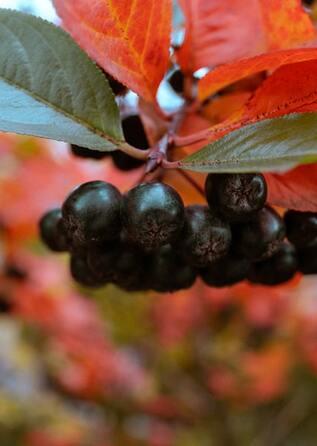
Delicious & just as immune-supportive as the Elderberry, Chokeberries are in season now & are fabulous!   Join me as we discuss their growing habits, traditional uses, & I make a simple syrup & craft some delicious drinks with their bright, tart flavor---
Chokeberry, or Aronia, are part of the Rose [Rosaceae] family & are native to North America, although they are grown all over the world now. These shrubs are deciduous & are likely to be found growing wild in slightly-wet-to-swampy, wooded areas. There are wild growing red & black chokeberries; I am lucky to have nicely established patches of the black [aronia melanocarpa] growing around me. Aronia are easy to grow & fully mature in 5 years. Due to their amazing health benefits, these shrubs are also making the scene at many nurseries around the country, their popularity growing & now only slightly behind elderberry shrubs. Indeed, our local Food Co-Op, Rising Tide, just announced they are carrying frozen aronia from a local farm now!
Picture

Read More
0 Comments

Herbal Spotlight: Elderberries with Elderberry Brandy Cordial Recipe

9/20/2021

6 Comments

 
Picture
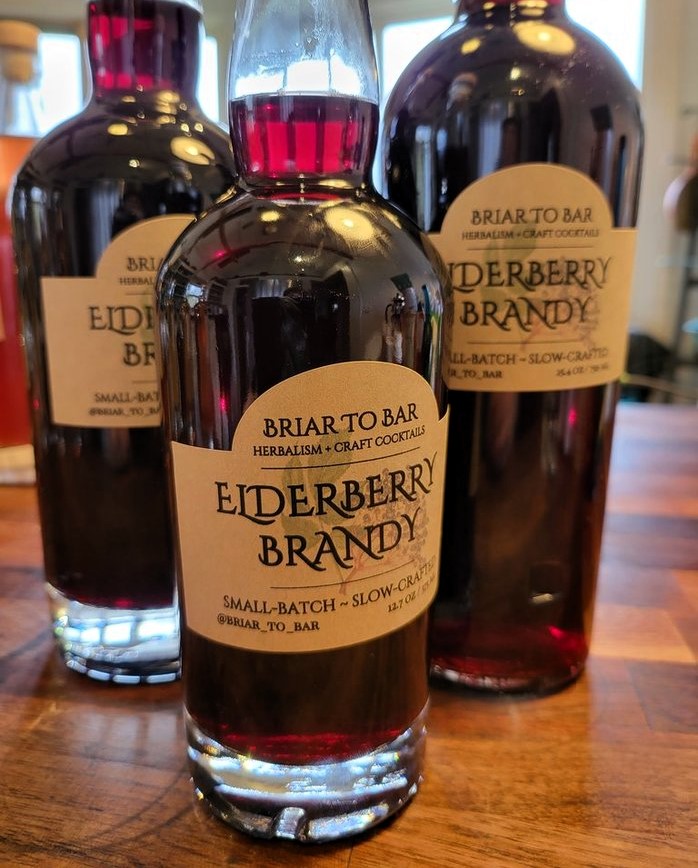
I decant mine into old bottles & make labels for an extra-fancy touch.

Delicious & powerful, elderberries are wonderful for colds & flu, & in times of stress. One of my favorite ways to enjoy them is by making Elderberry Brandy.
​
You can use fresh or dried berries & Fall is the perfect time to get some steeping!
It's easy & delicious -- I'll show you how!
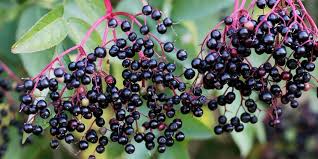
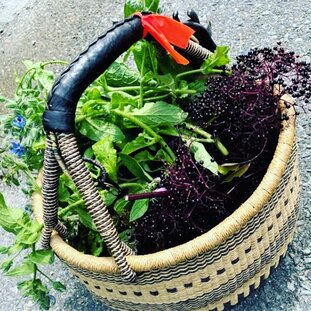
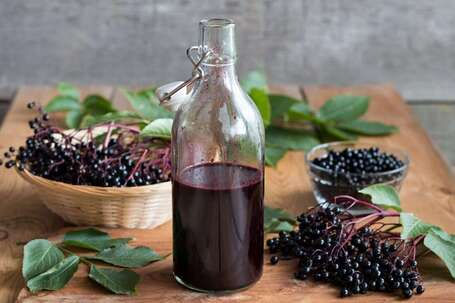
The common American Elderberry [Sambucus canadensis] & European Elder [Sambucus nigra] are both prolific & commonly found growing wild throughout most of the United States in disturbed areas, along roadsides, & in hedgerows, making them excellent candidates for foraging. Be sure to harvest only from shrubs not treated with pesticides on lesser used roads & to confirm the plant ID. The challenge is not in finding them, but in hitting them at the extract-right time! The season for ripe berries vacillates wildly from early August through to October, with some berries being perfectly ripe on one shrub, yet not ready on another nearby shrub just down the road! And then, you have to beat the birds & other animals to the harvest. We are not the only creatures ‘hunting’ them!  Waiting ‘one more day’ for perfectly ripe umbels may result in you missing out completely! 
Picture
Picture
Picture
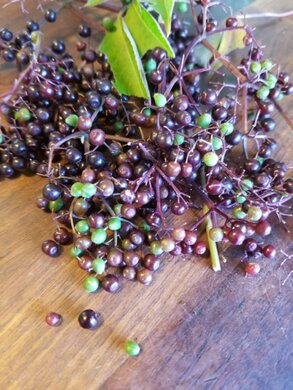
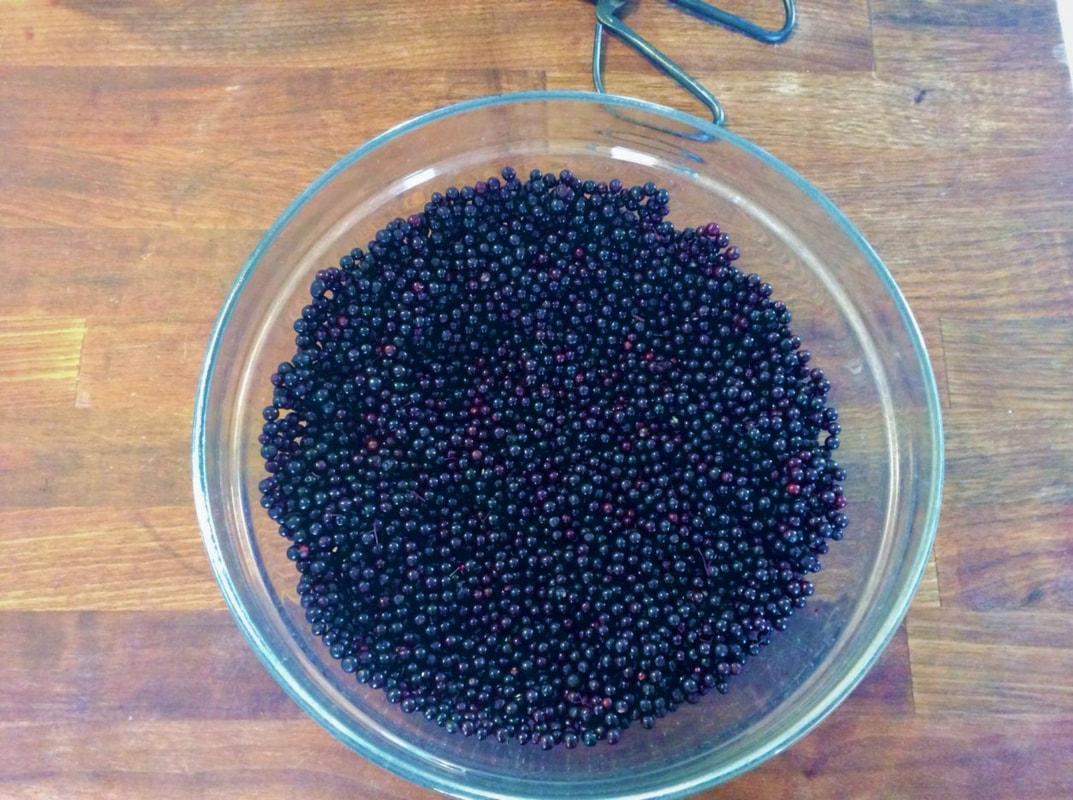
Carefully remove green and lighter purple [unripe] berries before using them.
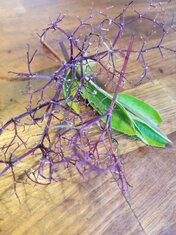
Would-be foragers should make note of the bushes around them & check in on them frequently as the fruit changes quickly day to day. It is important the berries you use are fully ripe, as unripe berries are unpleasantly bitter. The tiny stems & leaves of the plant are mildly toxic, & should not be used. Clean your haul thoroughly, removing as many stems & unripe berries as possible. It is a labor of love for sure, but the flavor makes it worth removing any tiny berries that are green or light purple. Few under-ripe berries or stems are not a concern, but do work to remove all you can. I find popping my whole umbels into the freezer for 30-60 minutes before cleaning them makes it a lot easier to remove them from the stems.
Once cleaned, your haul can then either be frozen or dried for later use. For this brandy recipe, you can use fresh or dried berries, so it is easy to make anytime! ​
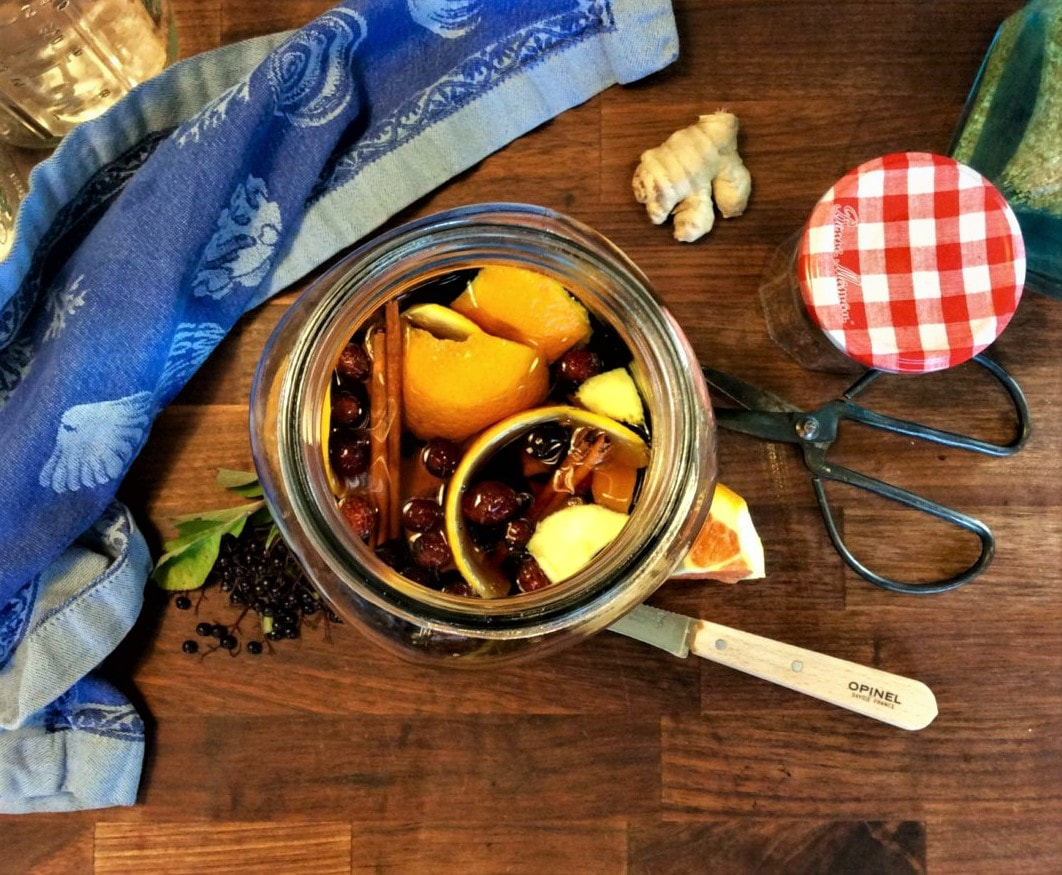
Once your berries are cleaned & ready to go, it is very easy to make Elderberry Brandy Cordial-- the hardest part is waiting for it to cure up! I have listed the additional botanicals I add to mne, but feel free to add whatever you have on hand to your own taste!
Picture
Picked clean!
Elderberry Brandy Cordial
A quart sized Mason Jar 
2 cups fresh elderberries  [or 1/2 cup dried]
Peel of an orange [organic preferred] 
2 TBS rose hips [dried or fresh] 
1” - 2” peeled ginger 
1 or 2 cinammon sticks 
2 TBS dried elderflowers [optional] 
1 quart brandy
​

1 cup sugar or honey 
1 cup water
Picture
Picture
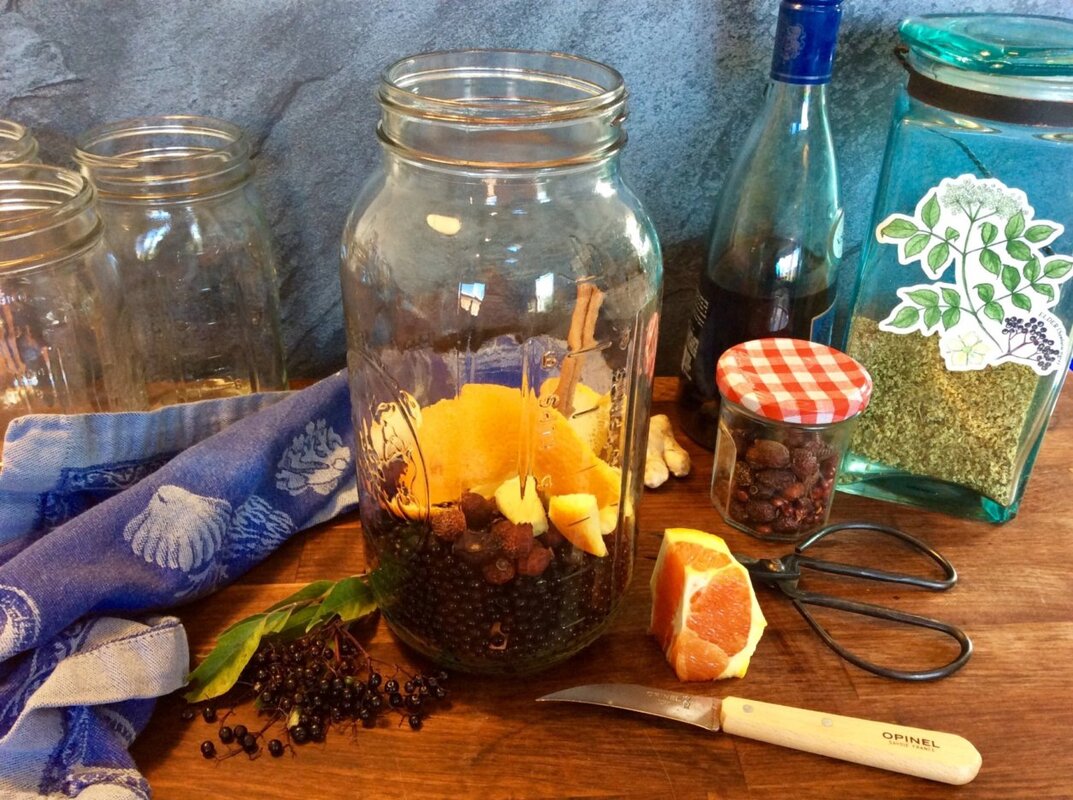
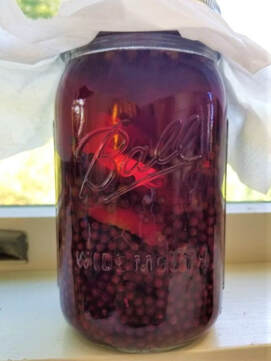
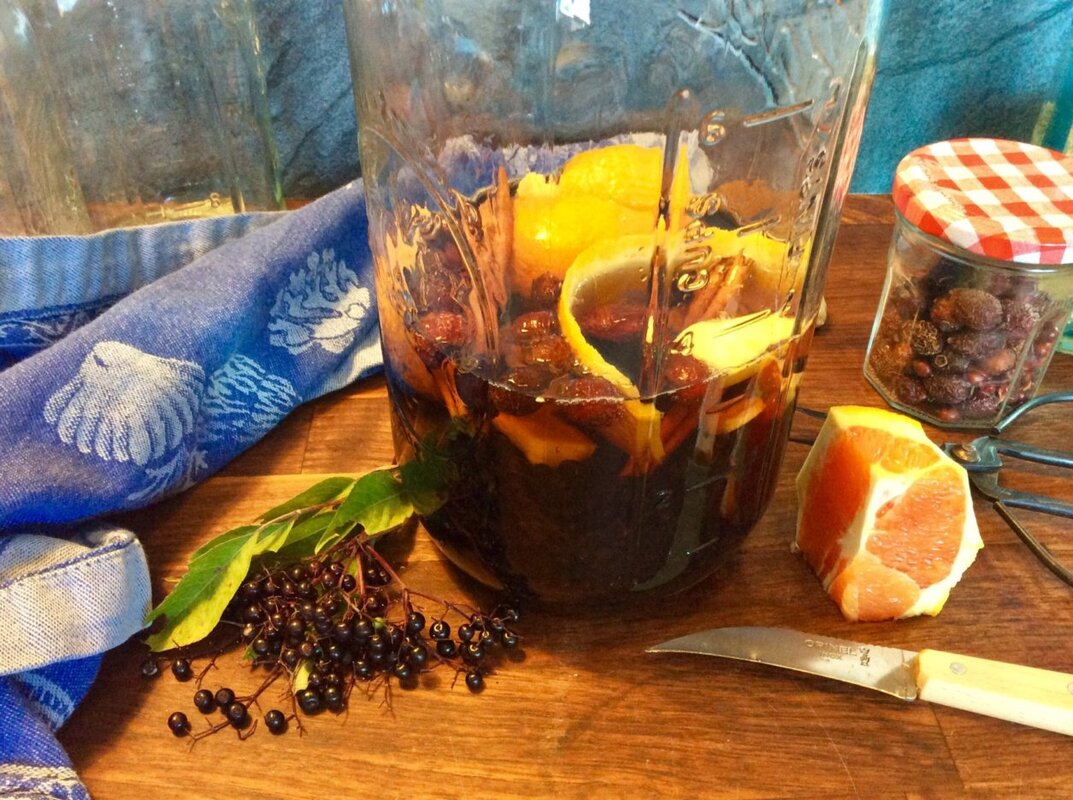
Place your cleaned elderberries, rose hips, ginger, cinammon & elderflowers [if using] in the bottom of a clean quart-sized Mason jar. Add your orange peel. Slowly fill the jar all the way to the top with brandy. All of your botanicals should be covered-- use a pickle weight if necessary to hold them under the surface. Seal up your jar & put it in a dark spot for 3 or 4 weeks. Shake it once in a while if you like. You will notice the color getting a darker & darker burgundy as it infuses.
Once it is fully infused, create a simple syrup with the water & sugar [or honey.] Allow it to cool completely. Strain off all the solids from your infused brandy base, pressing to release the absorbed liquid as you go. I usually double strain mine to be sure all plant material is removed.
Add your cooled syrup to the brandy-- anywhere from ¼ a cup to all of it depending on your tastes & how ‘sippable’ you wish your cordial to be. Pour it back into a clean Mason jar & set it aside to cure for at least one week. The flavors will marry resulting in a delicious & rather healthy Brandy Cordial! 
Picture
Ready to add my sweet syrup!
Picture
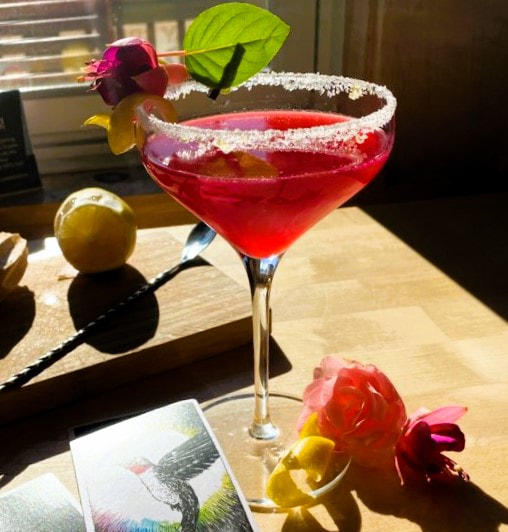
Look at the color it gives this Sidecar!
Enjoy it on its own or craft delicious cocktails with it -- My favorite way to use it is in Brandy Crustas & Sidecars! Extra delicious & a gorgeous color!
​A tablespoon or 2 two times a day at the onset of a cold is very helpful as well!
\
​
I hope you enjoy this recipe!  Let me know what additions you like to add to yours-- I really like the flavors I get from adding the elderflowers & rose hips to mine. Also check out my post from last year on how to make Elderberry Syrup here. That is all for this week-- Stay safe & don’t forget to #StopAndEatTheFlowers
6 Comments

Herbal Spotlight: All About Amari & how to make your very own

8/23/2021

0 Comments

 
Amari have been around for centuries & are the secret stars of more & more cocktails these days, but many people are still unfamiliar with them -- A tragedy I am doing my best to remedy! 
​ 
Join me as we explore what they are, how to use them, & even how to make your very own at home!
Picture
Picture
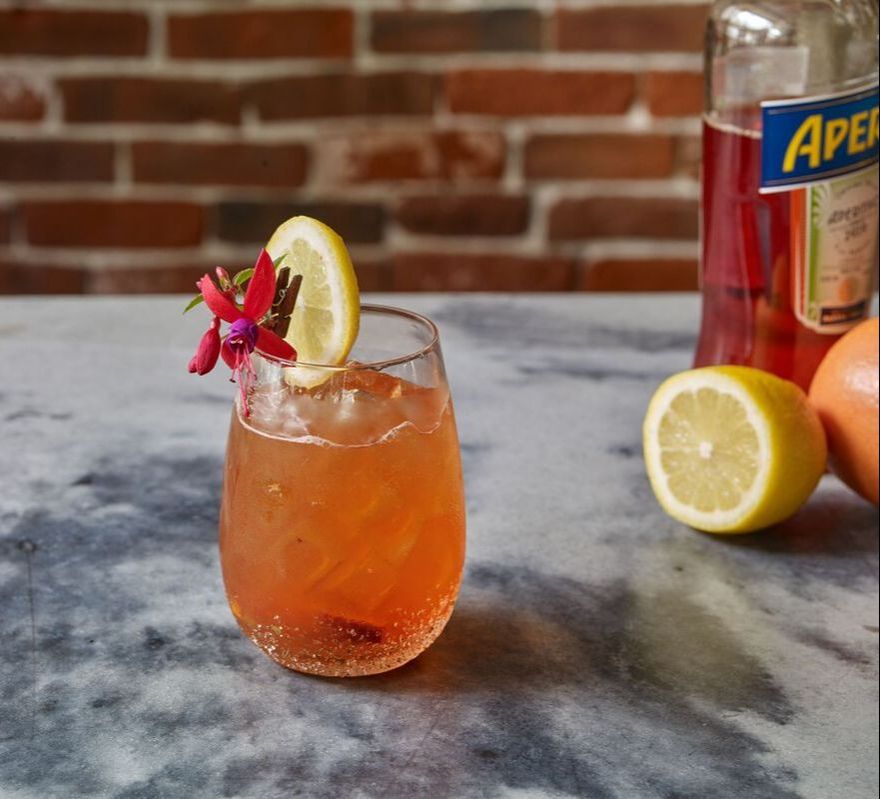
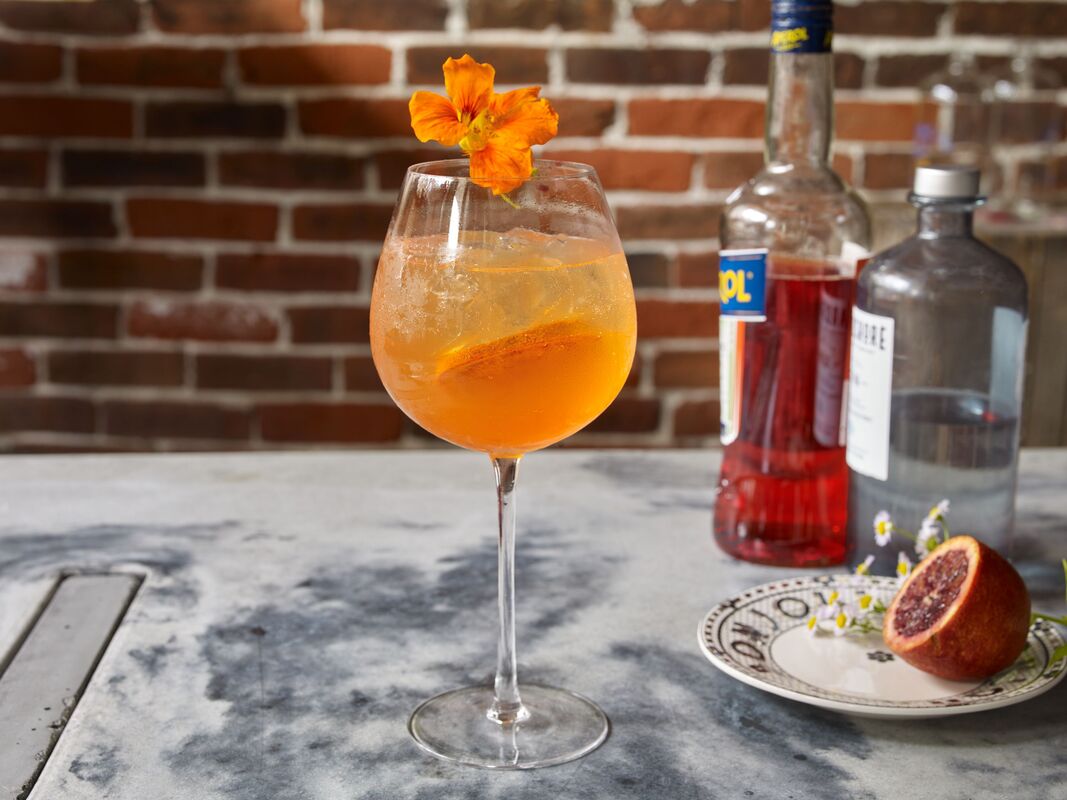
Aperol, used here to make a Spritz, an amaro most peole are familiar with.
Let’s start by defining what an Amaro is exactly; an amaro is an herbal, bitter spirit made by macerating a [usually proprietary] mix of roots, spices, flowers & other botanicals into a neutral spirit base or wine. Named for the Italian word for bitter, amari [the plural of amaro] were originally imbibed as restoratives & digestion aids. There are accounts of amari dating back to Ancient Rome-- where overindulgence is decidedly ‘a thing’ it makes sense to start crafting a cure for it! By the 1800s, production was mostly taken over by monasteries, & amari ‘health tonics’ were readily available in apothecaries. They are commonly sipped straight up, over ice, or with the addition of a sparkling agent [soda water or sparkling wine] after meals to stimulate digestion.
While they originated as an Italian thing, amari are now produced all over the world, with amazing variations based on the local herbs used to produce them. Italy still relishes their use & enjoying an ‘aperitivo’ is extremely common there today. Aperitivo-style amari, such as Aperol & Campari, form an entire category that are often enjoyed in Spritzers & not always only after meals.
Picture
Picture
My Herbal Craft-Cocktail the Rear Window includes Apreol. Pic: Darren Setlow
AAmari are enjoying a resurgence in popularity today, with bartenders embracing their complexity in craft-cocktail making more & more. As the Negroni & the Aperol Spritz have regained popularity, the amaro has been invited to center stage. Once people are introduced to them, a true passion for amari is easily developed. It is a deep well to enter, with so many different types to explore. And, while I do enjoy playing with them in cocktail crafting, it cannot be denied that drinking them straight is an amazing experience. To hold a bit in the mouth on the palette & attempt to identify all the individual herbs you are encountering is a compelling & truly enjoyable experience.
While tasting the many amari of the world is fun, crafting your very own recipe at home takes that to the next level-- & is much easier than you might think! For those wishing to give it a try, I will lay out how here. There is no right & wrong in choosing your flavors; it is entirely a personal journey of taste. I will walk you through the basics of the maceration, sweetening, & aging process, but what you decide to craft yours from is ENTIRELY up to you. I'll share my process & many of the herbs & items I used to help get you started.
Picture
Make Your Own!
Picture
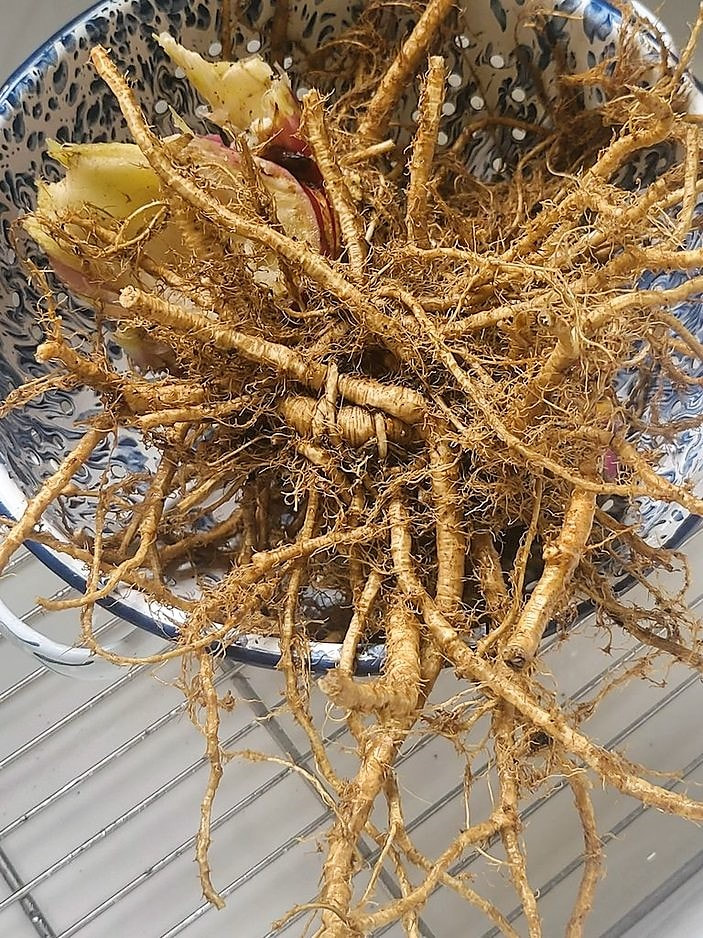
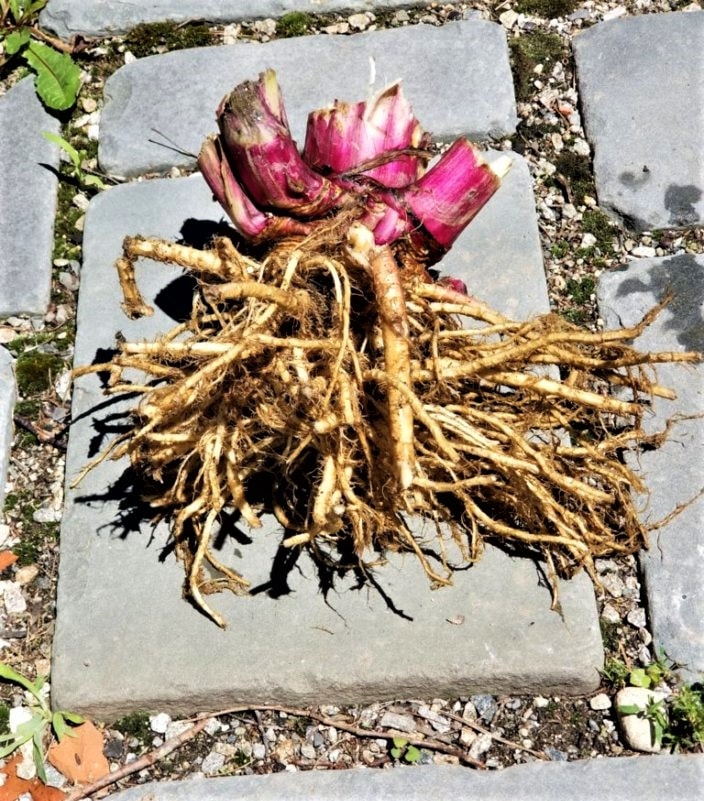
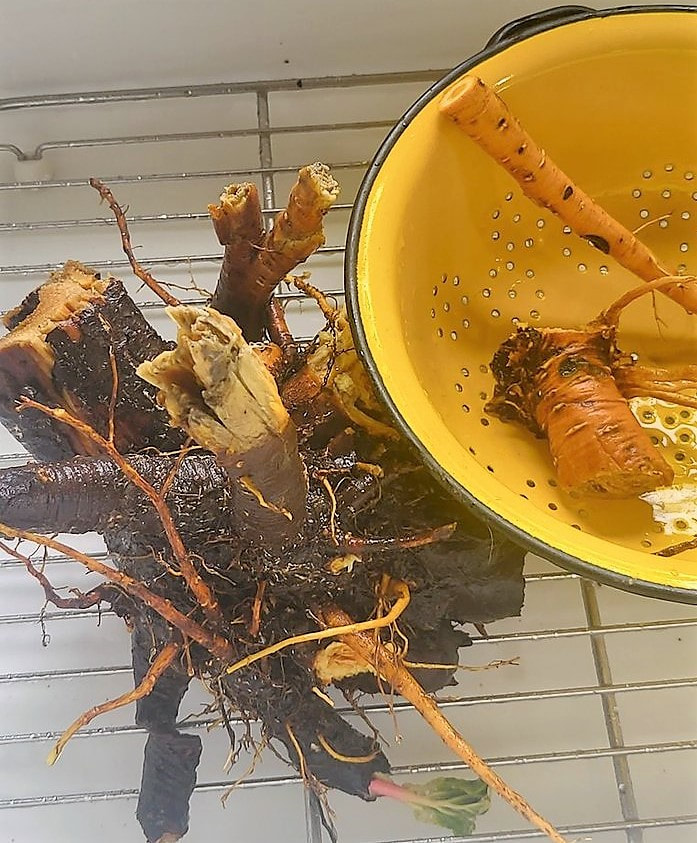
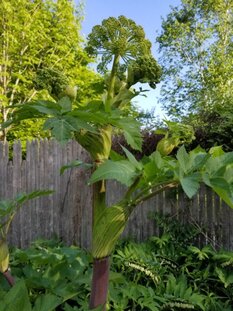
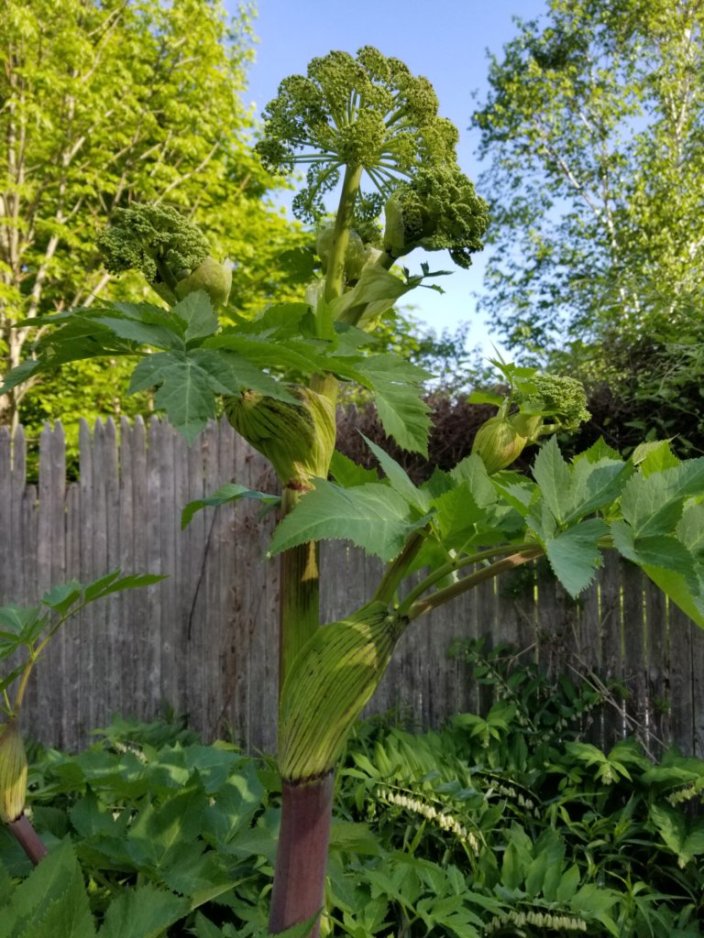
My freshly dug Angelica root
Picture
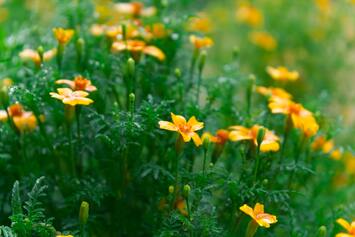
I used both orange and yellow Little Gems for their bitter flavor and color.
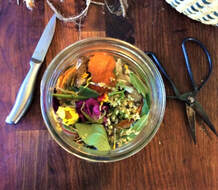
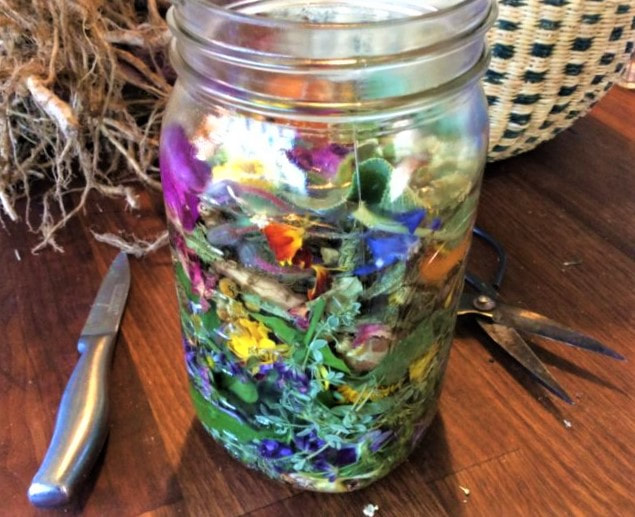
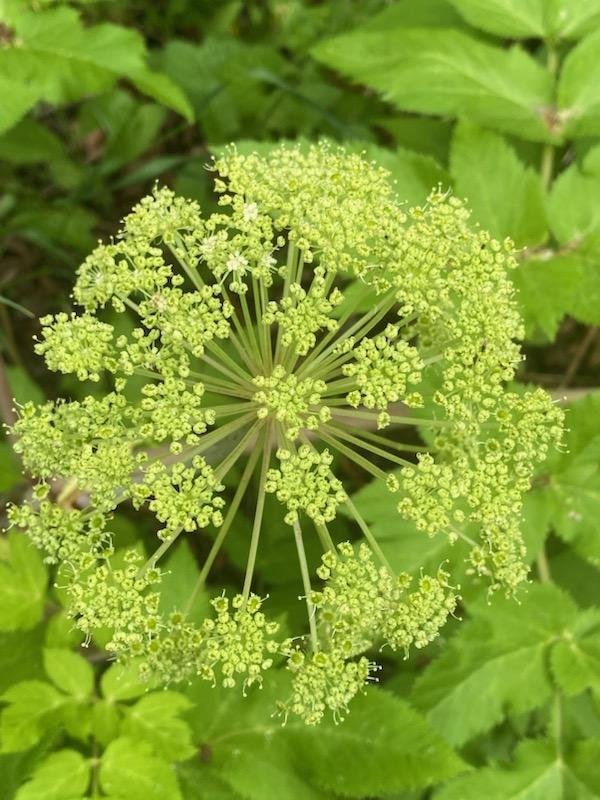
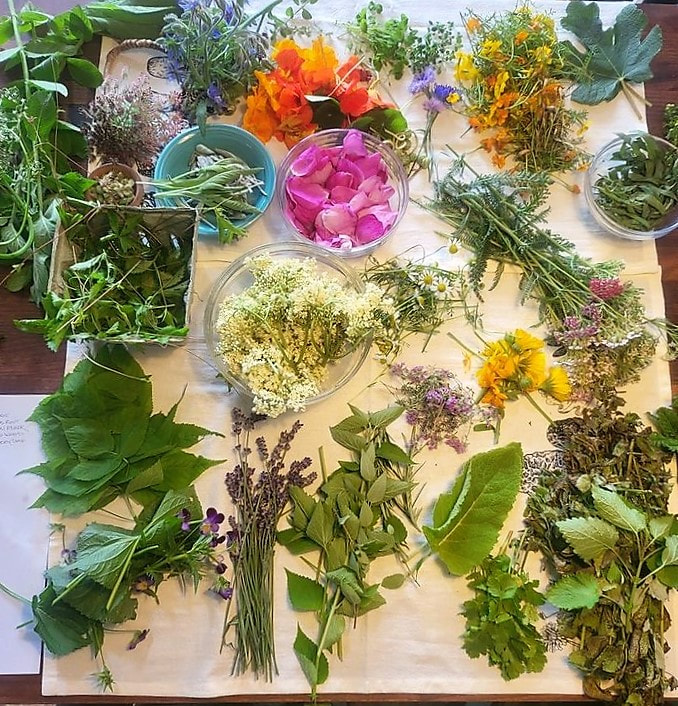
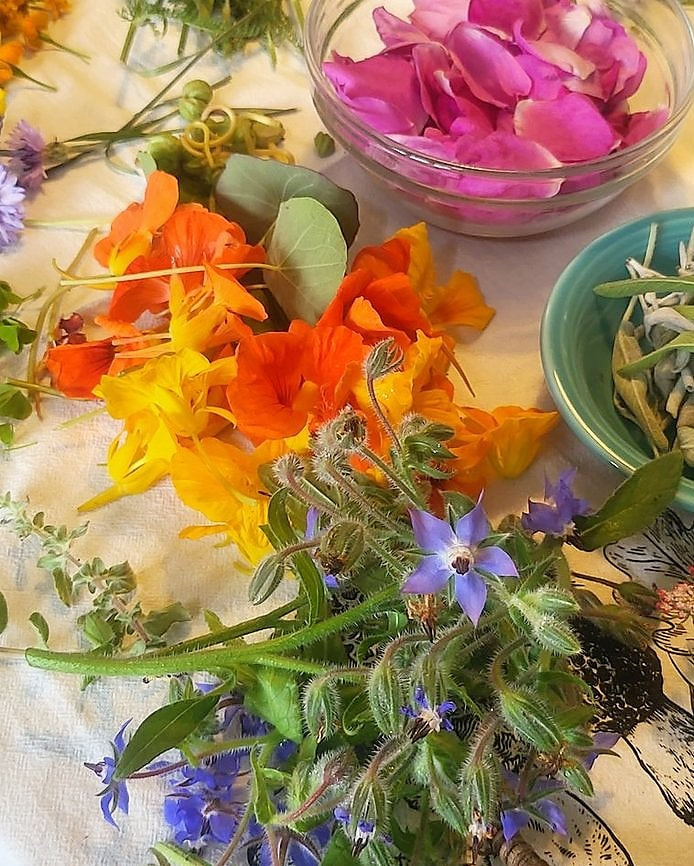
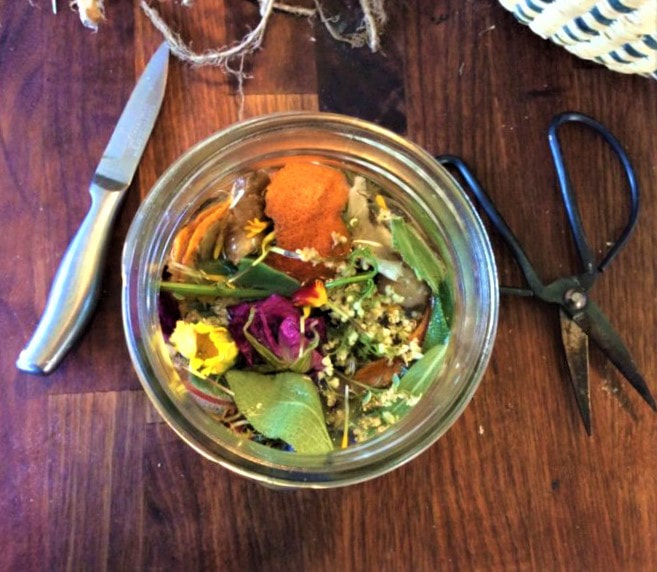
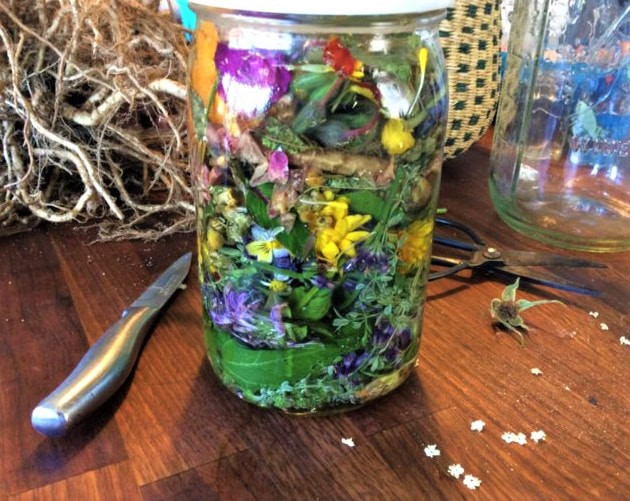
I was inspired to make this ‘Summer Garden’ amaro after harvesting my angelica root.  As I processed the huge root ball, its heady perfume filled my home, making it smell not unlike a bottle of Chartreuse! With that in mind, I stepped out into my early-July garden, & was determined to try to capture the flavors, scents, & colors blooming there. I was particuarly enamored by the idea of adding Little Gem Marigolds to my mix, hoping their delicious, bitter flavor & bright yellow-orange color would be prominent in the finished drink. [& they are!]  Here is a list of some of the herbs I used in mine: Lavender, Anise Hyssop, Elderflowers, Chamomile, Angelica Root, Little Gem Marigolds, Bee Balm, Rose, Violas, & Borage. Again, there is no right or wrong; you want a lovely mix of sweet, bitter, floral, & herbal-green notes. No such thing as too many -- keep in mind the centuries old Chartreuse recipe is said to include over 160 different herbs & spices!  To this mix, you will want to add some strong culinary herbs, such as rosemary, thyme or sage [or all 3!] & some citrus peel, such as lemon, grapefruit, or orange. It is not unheard of to include berries in your mix as well [strawberries are actually roses after all.…]  Go with what sounds good to you.  For this recipe, you want enough herbs & plant materials to fill a quart-sized Mason jar.
Craft Your Own Amaro  ~ Makes about 32 ounces  ~ Takes at least 6 weeks
~A blend of herbs & spices including flowers, leaves, & barks, fresh or dried, Enough plant material to fill a quart-sized mason jar. 
~5-8 sprigs of strong culinary herb [such as rosemary or thyme] 
~Citrus Peels, grapefruit/orange/lemon or a combination equivalent to that of 2 oranges. 
~Enough 80-proof neutral spirit to cover it,vodka is the easiest to source. If you have access to high proof neutral, you will get deeper flavor results.
​

~1 cup sugar [or sugar substitute] 
~1 cup water
Picture
Leave the flowers whole to incorporate their bitter reporductive parts in your mix.
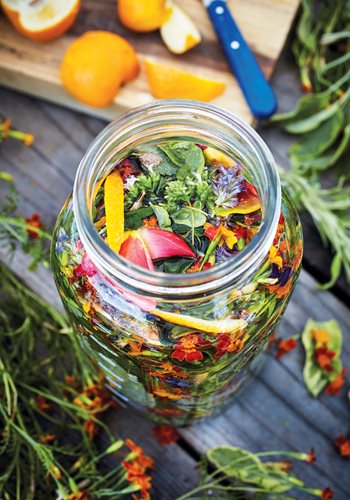
Collect & clean your plant materials. Fresh is always preferred, but dry will work too, it just may take an additional week of maceration. DON’T OVER-THINK THIS PART!  Feel your way through what is available & growing fresh near you, & let your brain instinctively choose the ingredients! Leave your plant materials whole to include the reproductive parts of the flowers to capture each flower's bitter attributes!
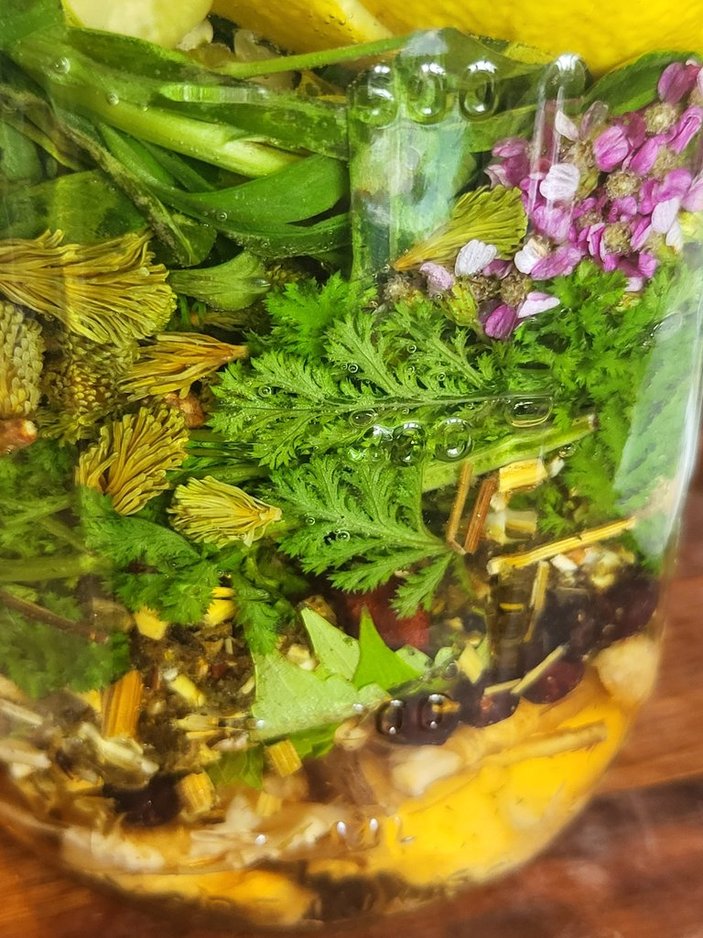
​Add the fresh peels of the citrus [I used oranges] & the culinary herb/s of your choice. Loosely pack all the plants, peels, & spices you have chosen into your clean jar. 
Picture
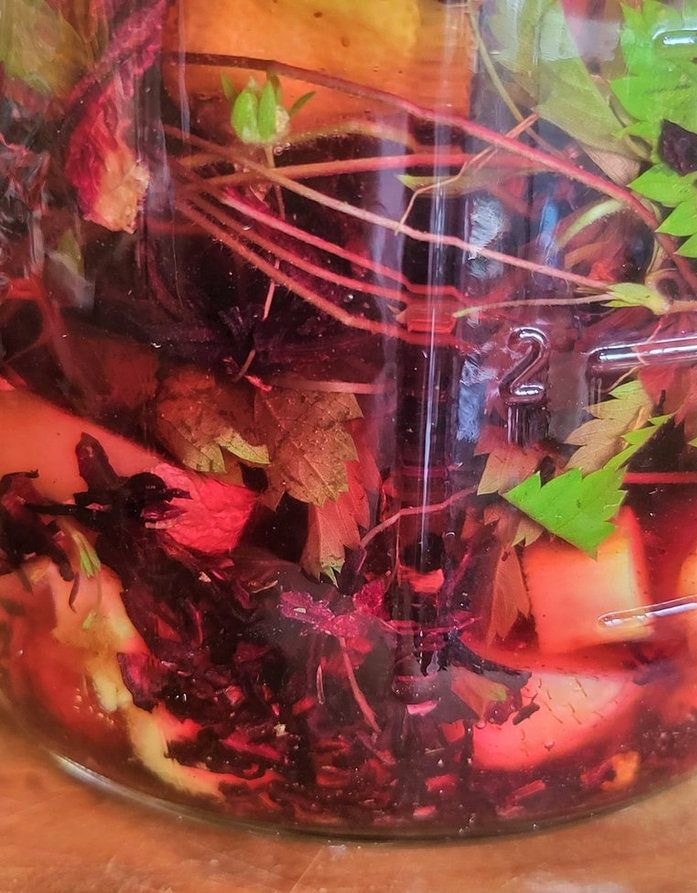
 Slowly pour the plain vodka/alcohol over the herbs, filling the jar all the way to the very top to ensure all the materials are covered & nothing is sticking up above the surface. Put a piece of wax paper over the jar mouth & seal with a lid. Pop your jar away somewhere out of direct sunlight.
Picture
Pic: David Fenton
Every few days or so, give your bottle a shake. Let it sit & macerate for a full moon cycle [4 weeks.]  After this, give it a taste, keeping in mind we have not SWEETENED yet & see how it is coming. If you wish for a stronger amaro, or if you used mostly dried herbs, let it macerate for another week or so. If you are happy with your base, proceed to the next steps!
Once your base is where you’d like it, strain out all the plant materials, pressing as you strain. The plants will have absorbed a lot of your liquid while imparting their flavors!  Make a simple syrup by heating the water & sugar together until the sugar is fully dissolved & it comes just to a boil. Allow your syrup to cool completely, then add it to your infused alcohol base. *Many people will add only one cup of the syrup at this point & allow their amaro to mature, adding more ‘sweet’ later if desired. Remember the point of this sweetening agent to take the edge off the bitterness, not mask it completely! 
Again, how sweet you make it is up to the individual! I added all of my 1:1 syrup, knowing I had included many very bitter ingredients in my mix. Reseal up your jar & set it aside again to age with the sweetener added, at least another 2 weeks. During this time, the amaro will mellow & incorporate the sweet with the other extracted flavors.
If you are impatient to taste your creation, remember some amaros are aged for a year or more at this point!   You will be rewarded by a fuller, balanced flavor by waiting!
Picture
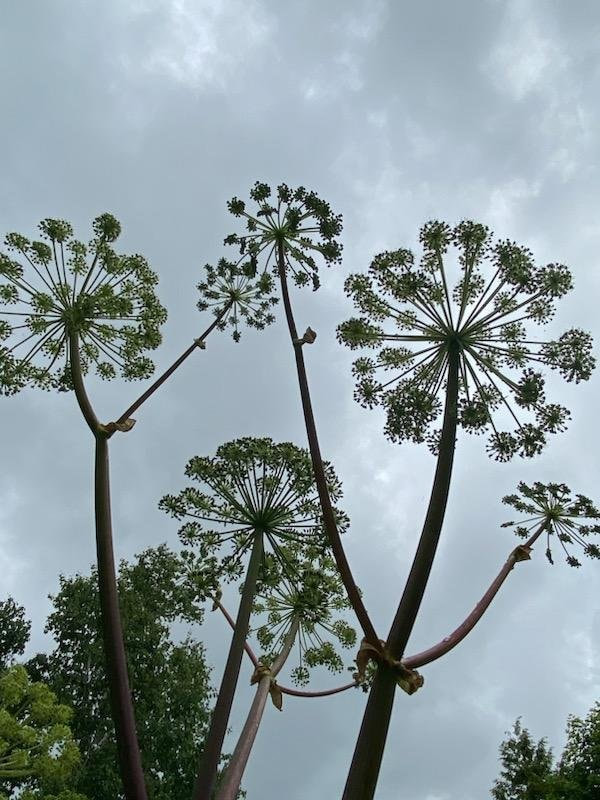
The root of this huge angelica is the star of my Summer Garden Amaro

Two weeks later, give it a try. You can add additional simple syrup if you feel it is needed, but most people will be enjoying their finished product at this point.
Decant it into a lovely bottle/s-- it will store for you indefinitely! Cheers!
Enjoy your creation straight-up after dinner, in Spritzers on hot days-- or get creative & play with it in cocktails!
That is it for this post. PLEASE let me know what you get up to; I adore hearing from you all & trying your creations! I hope you enjoy the process here as well as your results!
​Don’t forget to
#StopAndEatTheFlowers 
0 Comments

Herbal Spotlight: Chocolate Mint with Recipes

8/9/2021

2 Comments

 
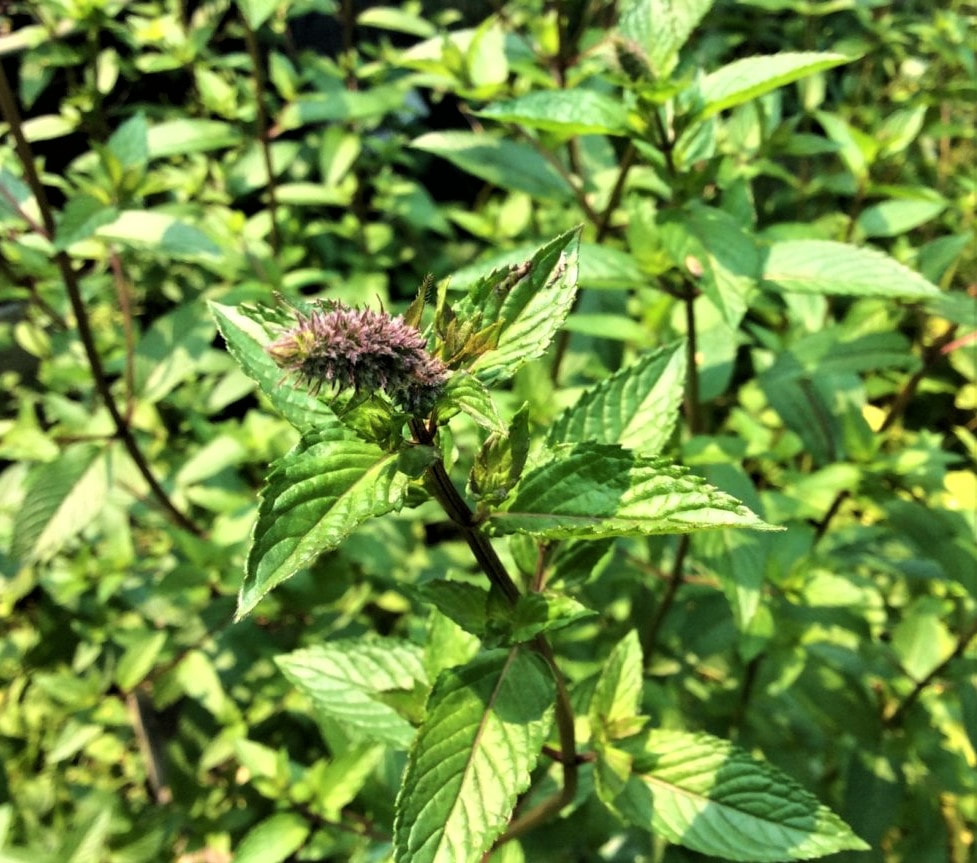
With her striking purple stems & killer flavor, Chocolate Mint is one to grow. Join me as we discuss this beautiful mint cultivar & a bunch of options for using your harvest!
Chocolate mint [Mentha × piperita f. citrata]  is one of many mint varieties easily picked up at your local greenhouse. You may have rubbed its leaves between your fingers there, enjoying that delicious fragrance, & thought “but what would I do with it?” & decided not to buy it. Well, this spotlight post is full of suggestions & recipes for your chocolate mint harvest, so indulge away! 
Okay,  this plant is in the MINT family [
Lamiaceae] so it will spread if not contained! Plant it somewhere with that in mind or in containers. And, expect it to come back with friends yearly, hence the need for an arsenal of use ideas!  
​
Picture

Read More
2 Comments

Herbal Spotilight: Daylilies with Recipes

7/26/2021

0 Comments

 
Picture
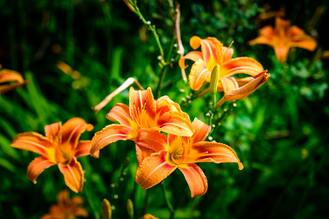
It just wouldn't look like New England without the wild daylilies all along our many crumbling rock walls. Effortlessly growing in field, forest, & yard, they are more than just beautiful -- daylilies are a bountiful food source as well!

​​Join me as we take a look at these delicious, gorgeous gems-
​

Read More
0 Comments
<<Previous

    Categories

    All
    Events
    Homesteading Tips
    Informational
    Ingredient Spotlight
    New Products
    Pet Care
    Recipes & Ingredients
    Soaps


    Picture
    Beautiful AND Responsible

      Sign Up Here For Our Newsletter

    Subscribe to Newsletter

    Picture
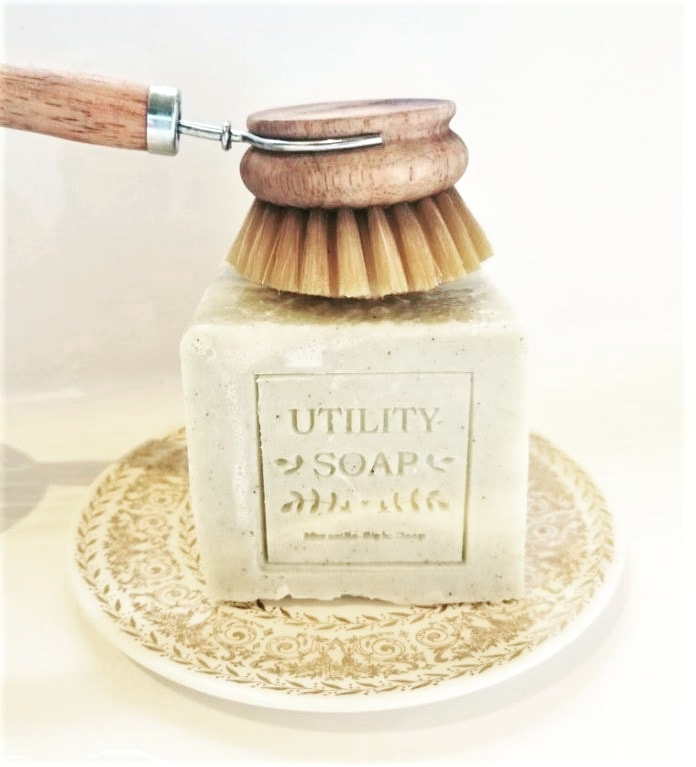
    Meet the Centuries-Old, French Cleaning Classic ​with A Modern Twist

    Author

    My husband & I were blessed with 2 beautiful girls. When I was diagnosed with MS, I couldn't keep up the pace working retail. We decided on a simpler life, built a cabin in the woods, & moved to mid-coast Maine ​


    Picture
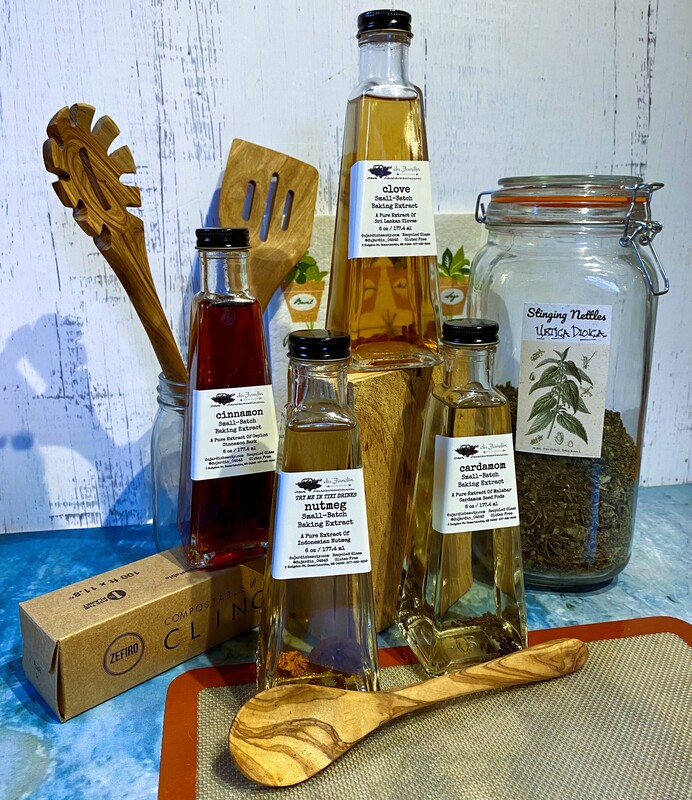
    Treat Yourself To Our Amazing, Handcrafted Extracts

    Archives

    July 2025
    May 2024
    March 2024
    February 2024
    November 2022
    October 2022
    March 2022
    February 2022
    December 2021
    November 2021
    October 2021
    September 2021
    August 2021
    July 2021
    June 2021
    May 2021
    April 2021
    March 2021
    February 2021
    January 2021
    December 2020
    November 2020
    October 2020
    September 2020
    August 2020
    July 2020
    June 2020
    May 2020
    April 2020
    March 2020
    November 2019
    October 2019
    August 2019
    July 2019
    June 2019
    May 2019
    April 2019

    Picture
    Discover Luxury Herbal Skincare For All Skin Types
    Picture
    Our Multi-Purpose Utility Soaps Are Our Best Sellers For A Reason! Find Out For Yourself!
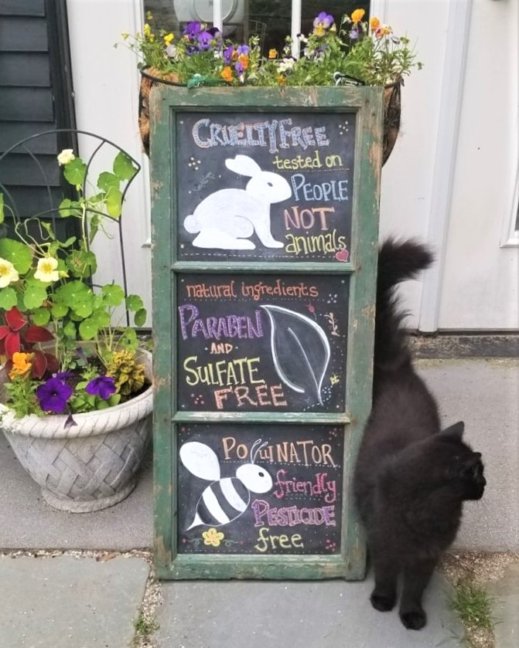
Always Free of Phthalates, Parabens, Formaldehyde-Releasers, Petro-chemicals & Sulfates.
Store Hours:
Wednesday 11 am - 4 pm
​Thursday 11 am - 4 pm
​Friday  10 am - 4 pm
Saturday 11 am - 3 pm
Damariscotta Farmers Market:​
May 16 - Oct 31 2025

Interested In Being A Stockist?
 Click Here for Wholesale Info
contact us:
Picture

    Sign Up For Our Newsletter:  Recipes,
    Special Events, Promo Codes

Subscribe to Newsletter

207-563-6256      [email protected]       © Du Jardin 2019 

127 Elm Street  Suite #2 -  Damariscotta, Maine 04543