Menu
  Du Jardin Beauty
  • Home
    • Spotlight
    • Reviews & Testimonials
    • Workshops & Events
  • Shop
    • Luxury Skincare
    • Best-Sellers
    • Phyto-Based Bath & Body
    • Herbal Haircare
    • Multi-Purpose Utility Soaps
    • eGift Cards
  • GIVING BACK
    • Wild & Locally Sourced
    • Charity: New Hope Midcoast
    • Fair-Trade Items
  • LEARN
  • About Us
    • FAQ's & Policies
    • Contact
    • Services
  • Wholesale

Du Jardin Learning Center

Herbal Spotlight: Common Milkweed, With Milkweed Blossom Cordial Recipe

7/12/2021

0 Comments


​Common Milkweed [Asclepias syriaca] is not only edible, it is delicious!  Far from hurting the butterflies by harvesting some ourselves, by caring for & planting it, we help ourselves AND the declining Monarchs!
So often dismissed as a bothersome weed, this plant actually has a long history of interesting uses in addition to delicious, culinary aspects.
In this post, we will make some milkweed cordial & learn more about it--
Picture

Read More
0 Comments

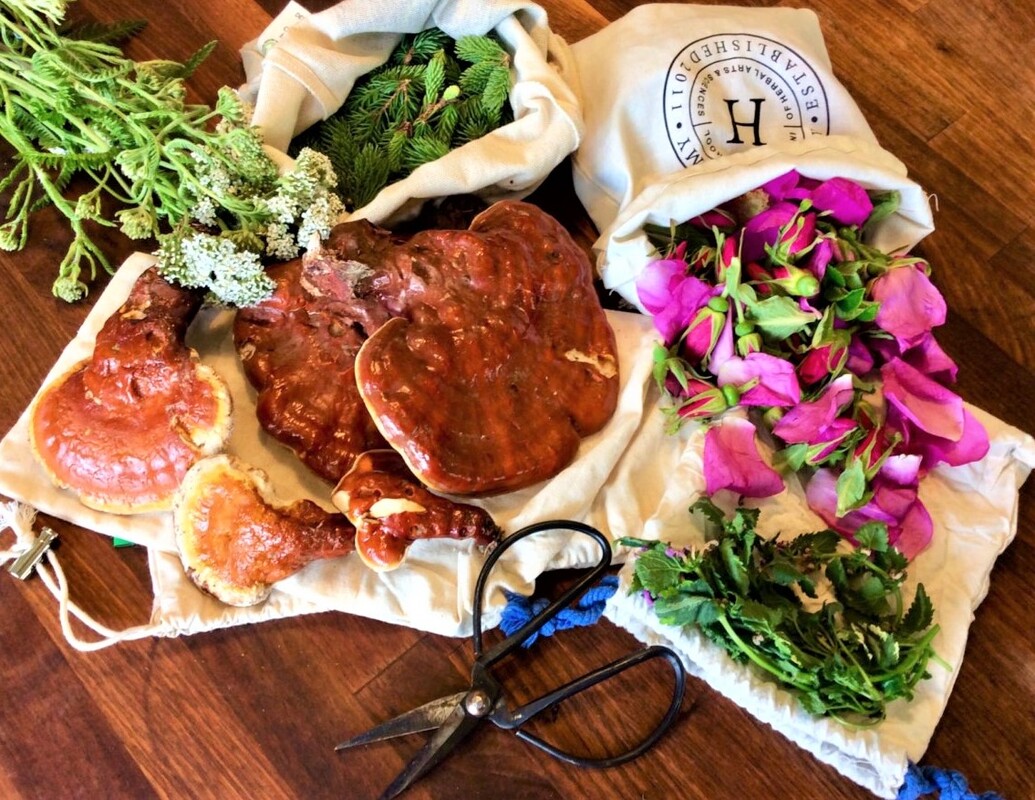
Herbal Spotlight: Hemlock Reishi Mushroom

6/28/2021

3 Comments

 
Picture

​T
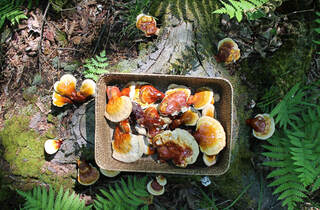
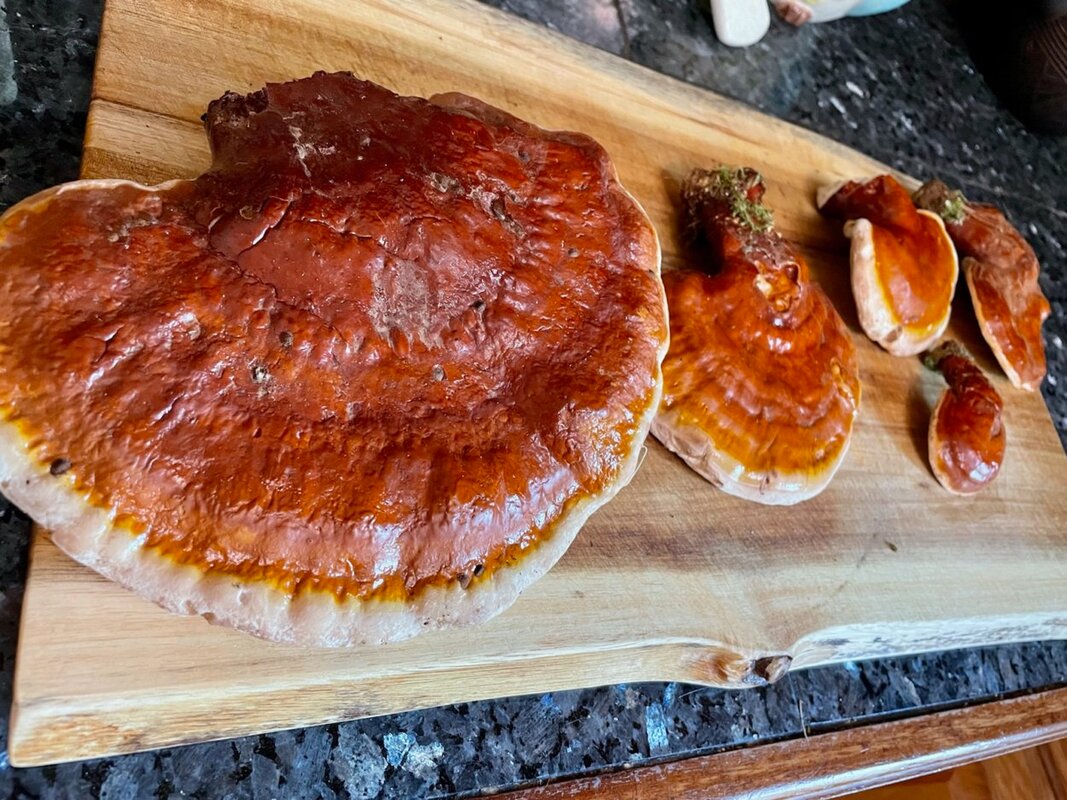
he Hemlock Varnished Shelf Reishi is one of the easiest mushrooms to identify & is revered for its potency.
It has many traditional uses from medical to cosmetic. Come with me as we look a bit deeper into this polypore "Mushroom of Immortality" & its uses.
Before I begin, I would like to clearly state that Nature is powerful & is to be respected. One must be very clear of WHAT they are harvesting, HOW it was grown [near heavily trafficked roads? sprayed with pesticides?] & how they plan to USE it. Mushrooms are particularly complex & it is imperative that you are 1000% sure of an ID before doing ANYTHING with them. The information I am supplying here consists of my own experiences & the traditional uses of mushrooms/herbs & is for educational purposes only. This information has not been evaluated by the Food & Drug Administration. This information is not intended to diagnose, treat, cure, or prevent any disease. Cheers!
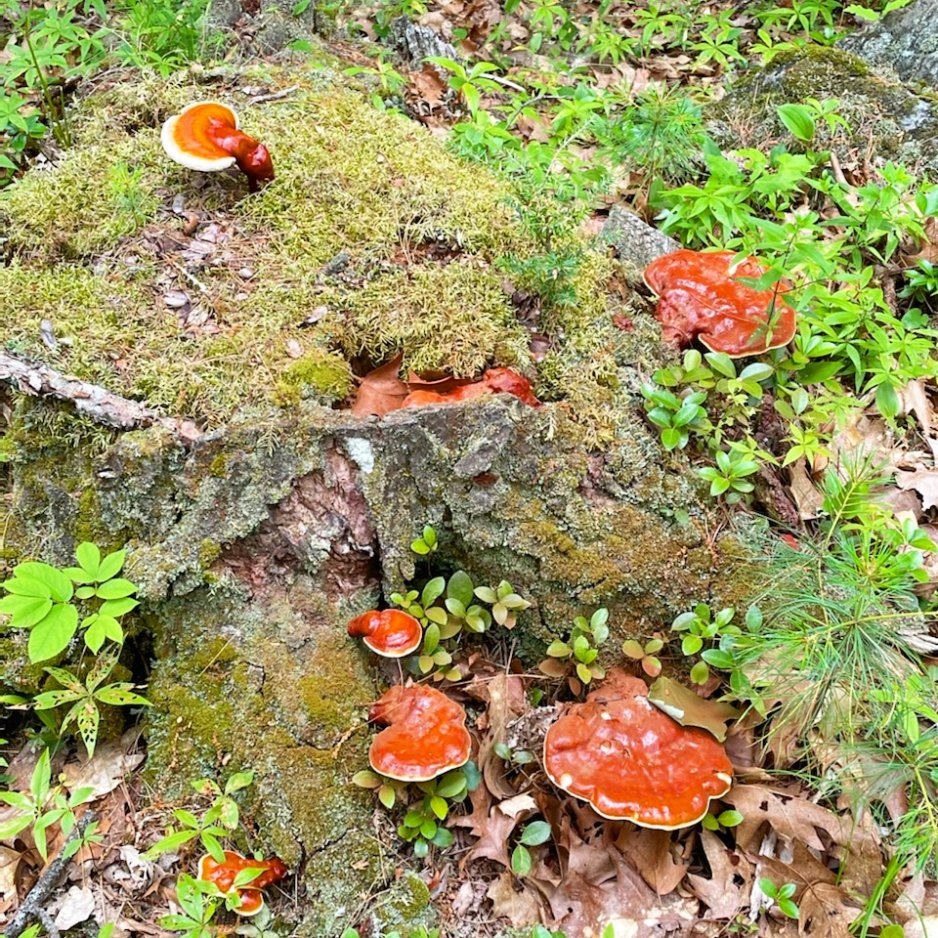
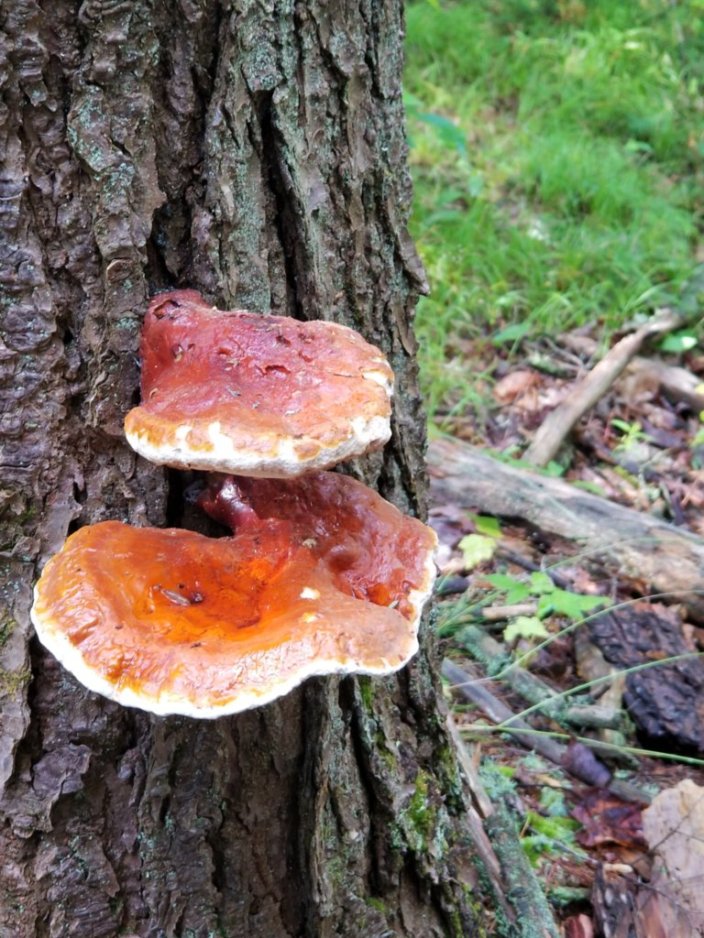
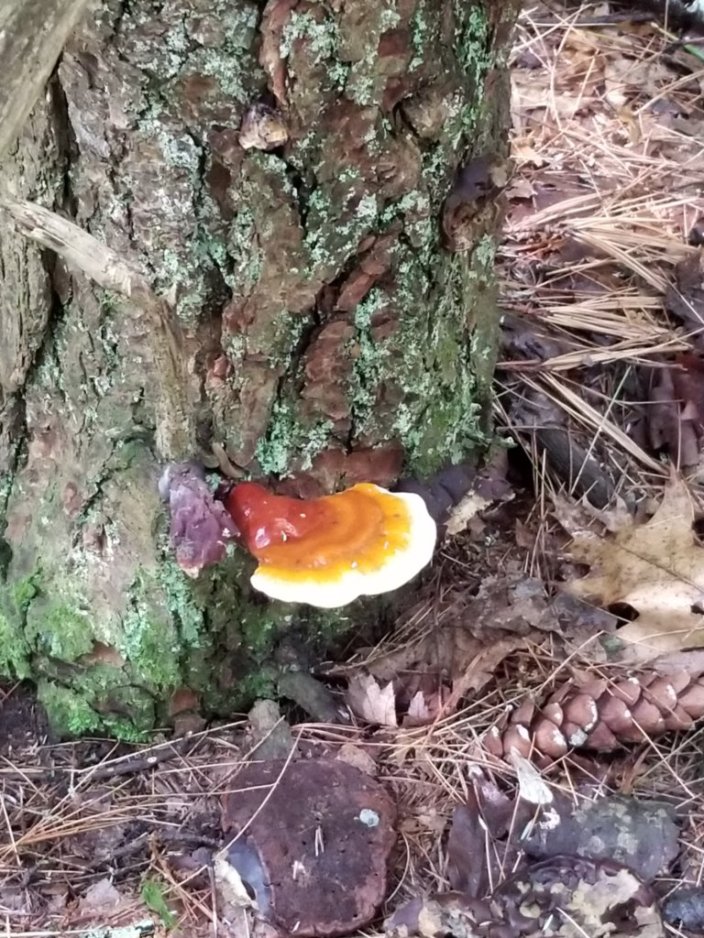
Reishi mushrooms have been used for centuries, & there are many types of reishi that grow. I am focusing mainly on the Hemlock Reishi [Ganoderma tsuagae,] a polypore or bracket type of mushroom that grows well here in my little corner of mid-coast Maine. Polypores are “wood rotter” mushrooms that grow on dead or dying wood. This particular type, as their name implies, heavily favors Eastern Hemlock trees, & will fruit & grow best in temperatures between 50F - 75F, making the hemlock forests of Maine an ideal location for them. Unlike most other mushrooms in this family, they are also beautifully colored, with deep red & bright orange rings of growth, their new growth tipping them in white -- 
Picture
This old hemlock stump is covered with fruiting bodies of reishi. They will thrieve here until this food source is exhausted.
their layered colors resemble the setting sun. They are ‘varnished’ mushrooms, a term used to describe their dry but shiny surface. hemlock reishi's undersides are a beautiful white, but quickly discolor to brown when touched.
Picture
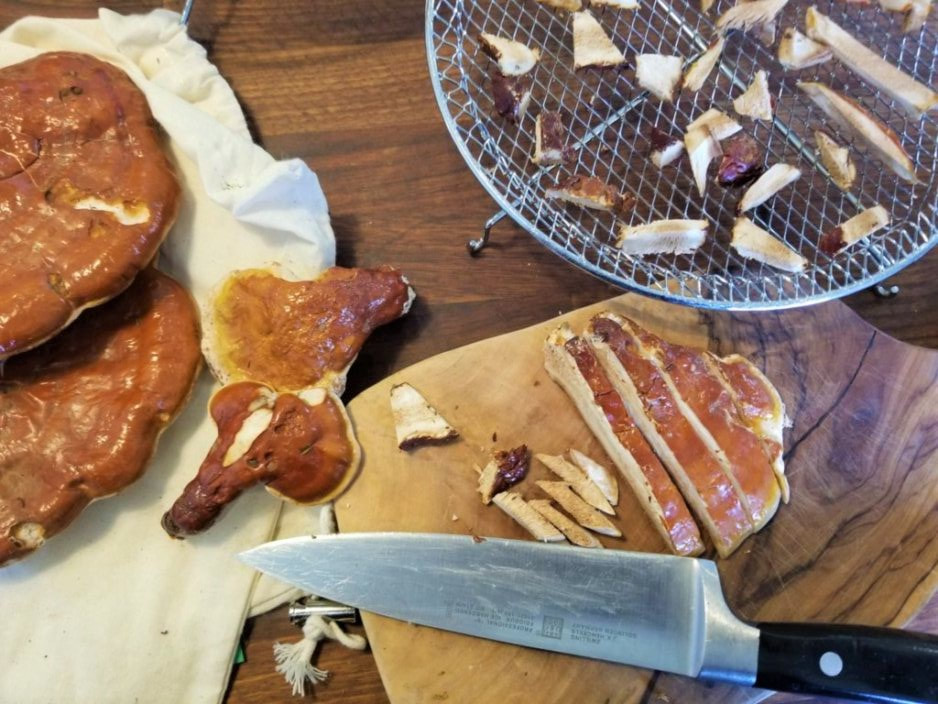
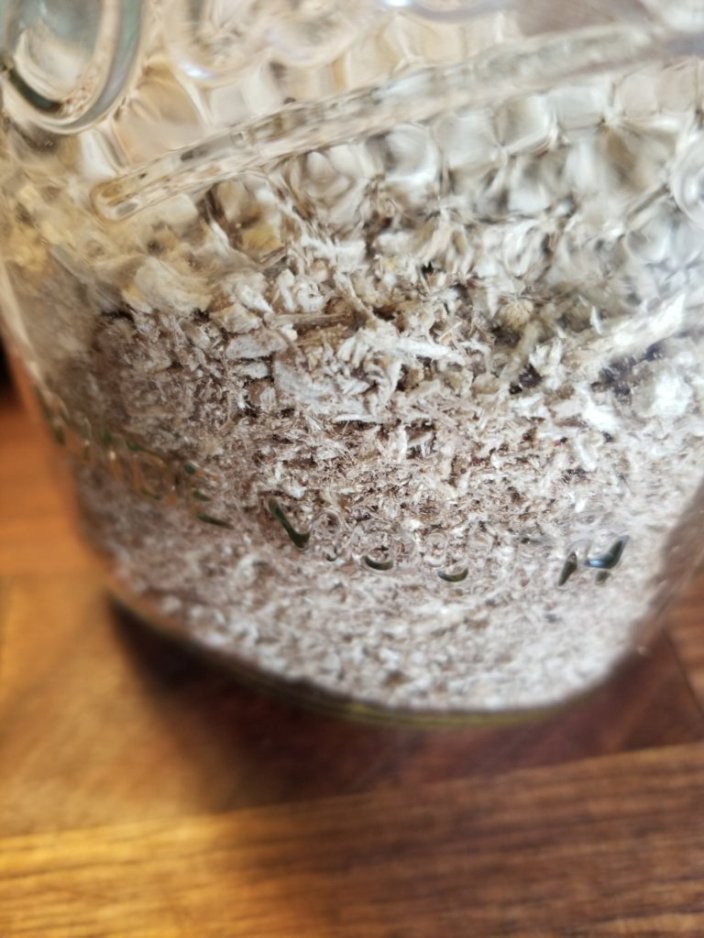
Here I am slicing some of my haul into small pieces to dry in my air fryer/dehydrator. This ensures they dry evenly and no mold grows on them. I will then grind and powder them for use.
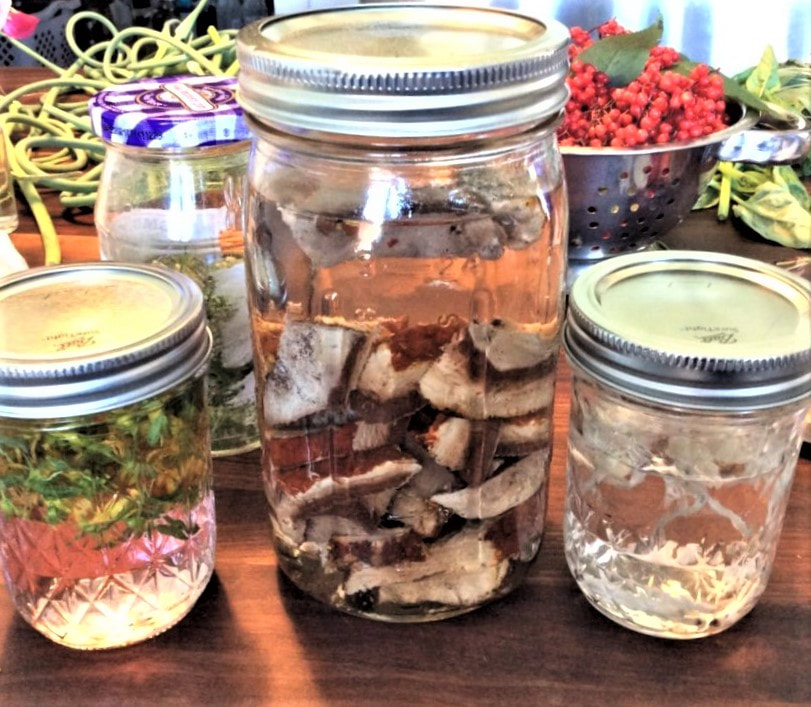
If you locate a dead or dying tree supporting them, you can be sure they will return to that spot yearly until the food source is exhausted. Reishi have a bitter flavor & cork-like texture. Due to this, they are most often used as teas, tinctures & extracts, rather than sauteed for consumption. These mushrooms contain both polysaccharide constituents, which are extracted well by hot & boiling water, & triterpenoids, which must be extracted with alcohol or glycerine. When tincturing these mushrooms yourself [or purchasing pre-made reishi tincture], it is important to ensure both methods of extraction are performed in order 
to receive all of the benefits they have to offer. Additionally, one can dry & powder the fruiting bodies, then create capsules or enjoy them in teas, ingesting the powder to receive the full benefits, much like with matcha one receives the entire tea leaf.
Reishi mushrooms are considered to be one of the most potent medicinal mushrooms & many studies are ongoing into their properties. The Chinese refer to reishi as Ling Chi or the “Mushroom of Immortality” & many studies are currently underway further supporting its medicinal usage. Studies have shown reishi to have strong cancer fighting properties, with their active polysaccharides specifically having been shown to have anti-tumor benefits. Reishi specifically has been shown to promote the healing of wounds & boost growth of fibroblast cells, to have the ability to regulate sugar in the human body, & to work well as a natural antibiotic, even against heavy hitters such as Staph & Strep!  Additionally, they work as strong adatogens in the body, helping to relieve anxiety & stress. As these studies document this mushroom's possible applications more & more thoroughly, it is no wonder demand for resishi tinctures & supplements has risen so dramatically. Particularly of interest are its cancer & diabetes treatment potentials. Learn more about reishi & cancer at the Memorial Sloan Kettering Cancer Center website.
If you have located reishi growing & are harvesting them [and are 100% certain of your identification as stated earlier], the simplest way to use them is to dry & powder them, then use them in teas. I am happy to provide deeper info on this process, as well as the double tincturing process, on an individual basis, personally one-on-one. I also have information on locally sourced, dry reishi powder. Please feel free to contact me for further information if you wish.
We also proudly offer Herbal Revolutions
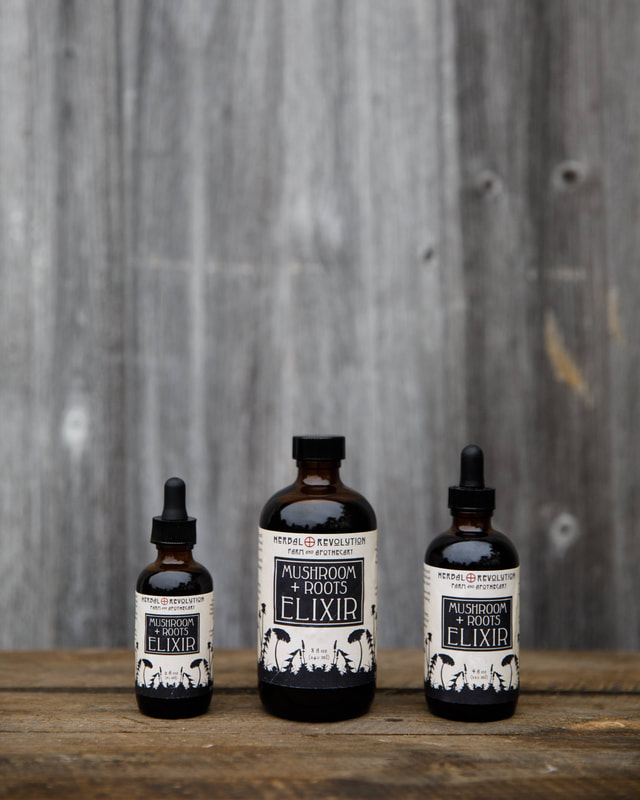
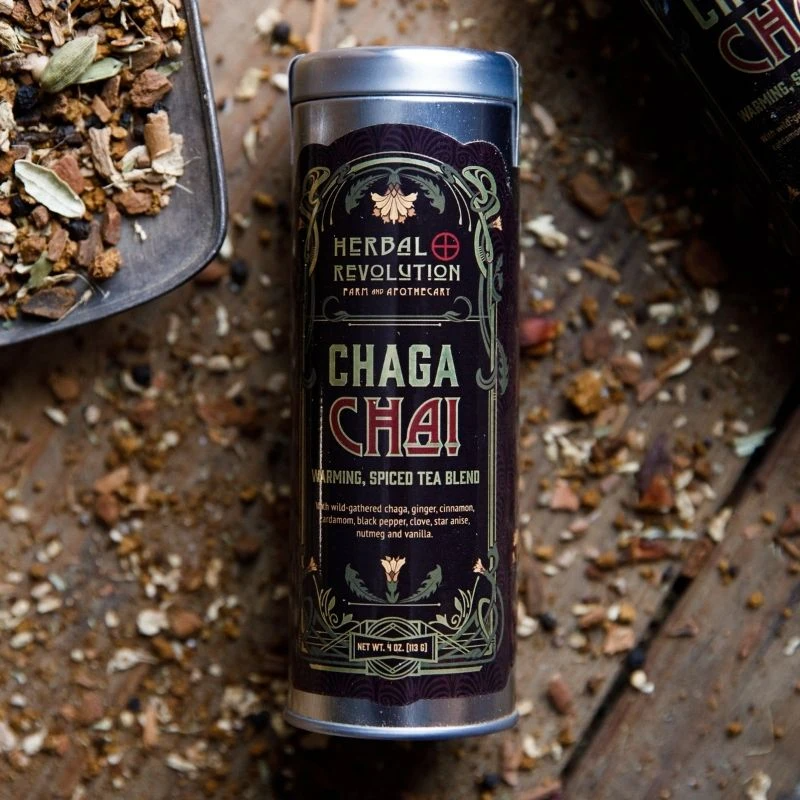
Mushroom & Roots Elixir, which contains many medicinal mushrooms including reishi, as well as their Chaga Mushroom Chai Tea Blend, for those looking for finished, ready-to-use products. Both products are amazing quality & help to support the mind & body in many ways.

Mushrooms are truly fascinating. There is a deep well of information to learn, with new facts being uncovered constantly. They provide a large sense of unity for all of us with the powerful world of Nature around us. I invite each of you to dive into this pool of knowlegde, either through books or classes like Herbal Academy’s Mushroom Course. Take care, contact me with questions, & until next time -- Don’t forget to #StopAndEatTheFlowers 
3 Comments

Herbal Spotlight: Celebrating All Things Peony, With Peony Simple Syrup Recipe

6/14/2021

8 Comments

 
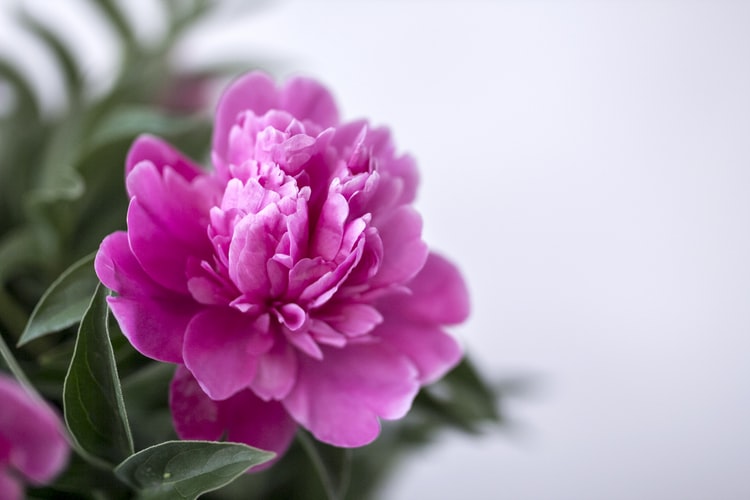
It’s THAT time of year again! [a bit earlier than normal due to the heat]  Anyone who has read my posts knows what PEONY SEASON means in this family! A major favorite in this house, we use these delicious flowers to make all the things-- Ice cream, panna cotta, cocktails, jelly, floral lemonades, & more! Their flavor is amazing & versatile.  Join me as we celebrate all things peony with some fabulous ways to use them -- & with recipes of course!
Picture

Read More
8 Comments

Herbal Spotight: Rhubarb With My Rustic Rhubarb Clafoutis Recipe

5/31/2021

0 Comments

 
Picture
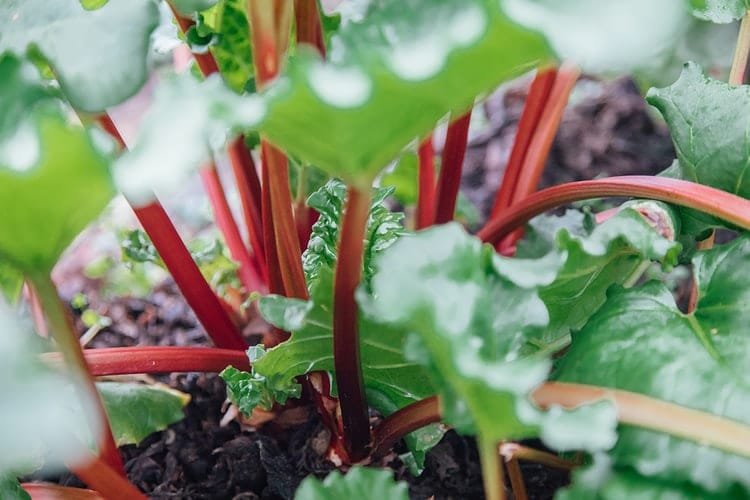
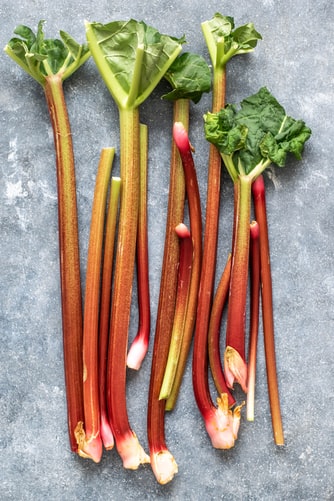
We are deeply immersed in Rhubarb season right now & loving every moment of it! Sadly underappreciated by many, this under-rated garden gem is a favorite in our family. It is one of the most versatile things we grow, working equally well for savory dishes as for sweets & drinks. This week, I share one of my family's favorite ways to enjoy it with my Rustic Rhubarb Clafoutis recipe --
Cultivated as far back as 2,700 B.C, rhubarb was first brought to America in the early 1770s by Benjamin Franklin. It is a hardy, perennial vegetable filled with antioxidants, vitamins C & K, calcium, potassium, & a whole lot of fiber. Its tart-acidic flavor sweetens up considerably when cooked, & can be used in both savory dishes & desserts with great success. Two of my family’s favorite ways to enjoy it are in our Cherry Rhubarb Pork Loin & in a simple clafoutis dessert where I pair it with candied ginger. A clafoutis, for the uninitiated, is a simple, baked dessert from southern France that features fruit & a custard-like batter. Cherry is the classic, but we make them quite successfully with all different fruits. They are extremely easy to make & absolutely fabulous. They can be served warm or cold, often dusted with powdered sugar & occasionally served with whipped or ice cream. ​
Picture
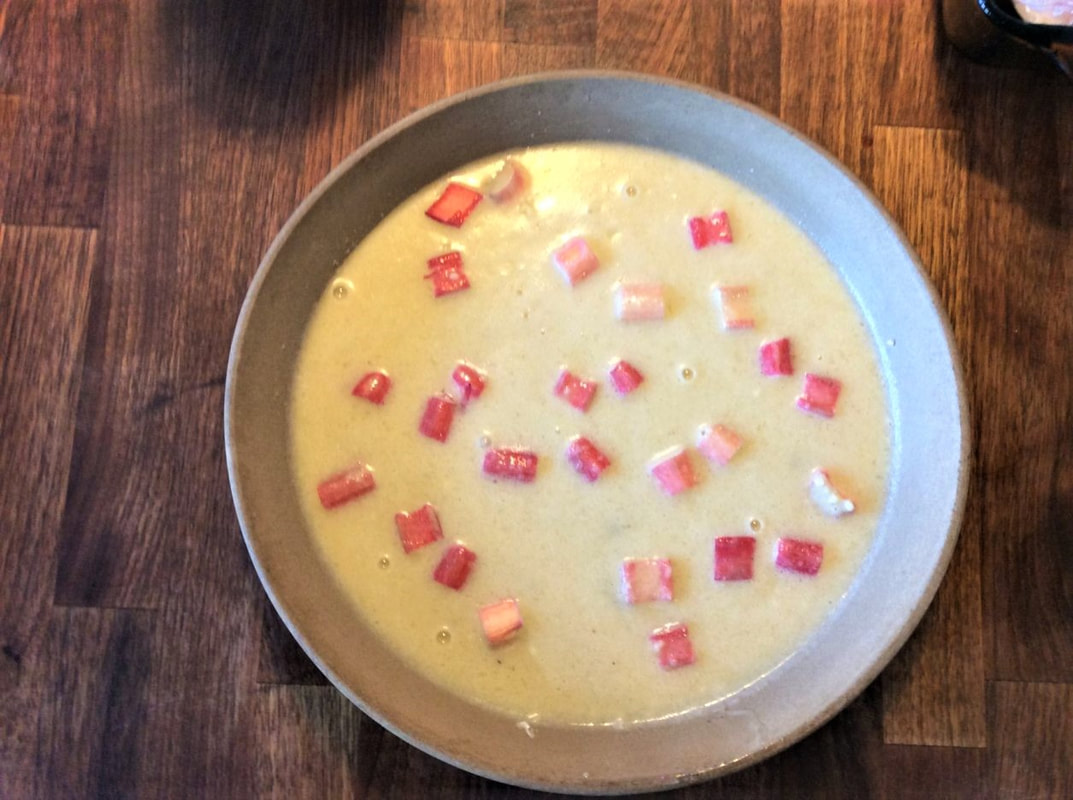
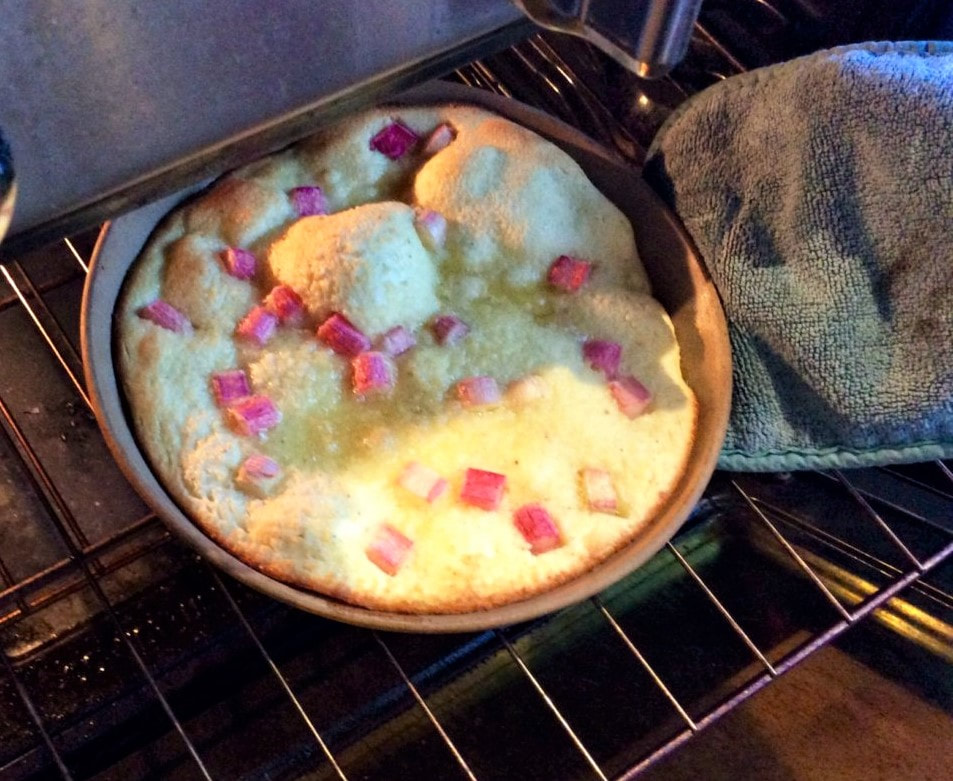
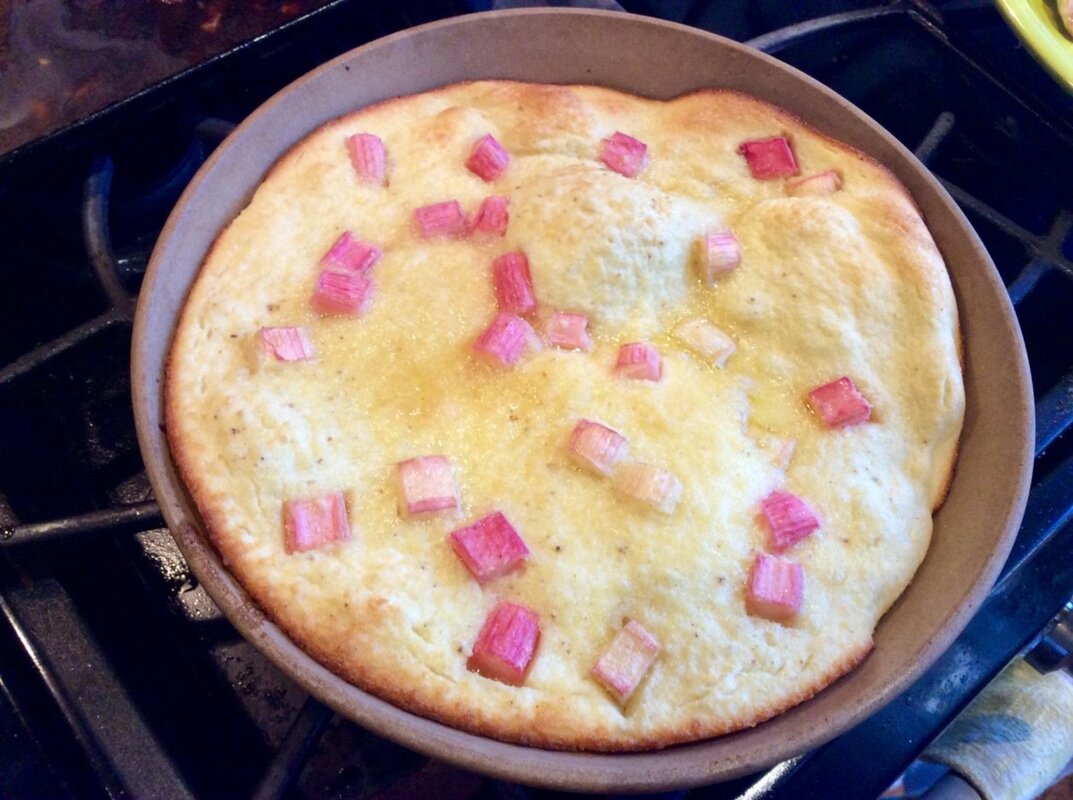
Of the many types we like to make, the rhubarb is decidedly a house-favorite!    [I am certain to feature other versions of clafoutis in the future….]
Picture
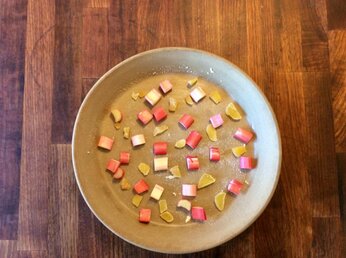
This recipe can be made with fresh or frozen rhubarb-- in fact, we always cube some up & pop it in the freezer during rhubarb season so that we can enjoy this clafoutis in the Fall & Winter as well. The candied-ginger is a lovely complement to the sweet-tart flavor of the rhubarb, as is the blend of vanilla/almond/lemon the Buttercup Baking Extract provides. Plain vanilla extract works well too if you do not have Buttercup on hand.
Rustic Rhubarb Clafoutis
grab buttercup extract here
  • Roughly 12 oz Rhubarb, chopped into bite sized pieces 
  • Roughly 1 oz Candied Ginger 
  • 2 eggs 
  • ½ c sugar + 2 TBS sugar [separated] 
  • 5 oz milk 
  • ¾ c flour 
  • 2 TBS unsalted butter, melted 
  • 1 ½ TBS Buttercup Extract or vanilla Extract
Picture
Picture
Preheat oven to 350. Prepare a pie or square baking dish: Butter & dust with sugar. Rough-chop your cleaned rhubarb & your candied ginger. Place the pieces in the prepared pan, spacing them evenly. In a mixing bowl, beat ½ cup of sugar with the eggs. Add milk, mix well. Slowly add the flour [sifting if desired,] stirring to incorporate. Stir in the Buttercup [or vanilla] baking extract & the melted butter. Pour your batter over the fruit; redistribute the pieces of rhubarb & ginger so they are evenly distributed if necessary.
Bake until cooked through & a knife inserted in the center comes out clean, about 35 minutes. Sprinkle 1 TBS sugar on top & return to the oven for an additional 2 minutes. Your clafoutis will puff up beautifully as it cooks, but will settle as it is removed from the oven -- No worries though!  It will still be delicious! Despite being crustless, slice it up like pie to serve. Serve it warm or cold, with vanilla ice cream if desired.
​
Personally, I like to save a slice or two to eat cold the next morning with my tea!
I hope you give this ridiculously easy recipe a try-- Clafoutis just may be your new, favorite thing! It is quick & easy to make, & I find it disappears just as fast!  Truly one of the best ways to enjoy rhubarb, this recipe is just the thing to make if you find yourself with a bunch you're not sure what to do with!  Do let me know if you give it a try & please share what you think! ​ ​Until next time --
​Take care & take time to
#StopAndEatTheFlowers 
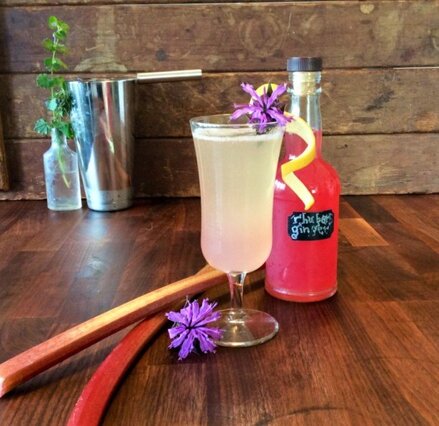
For more fun try my
​Rhubarb-Ginger Drinking Shrub Recipe
Picture
Click For The Recipe
0 Comments

Herbal Spotlight: Wild Violets, with my easy  Crème de Violette recipe

5/17/2021

5 Comments

 
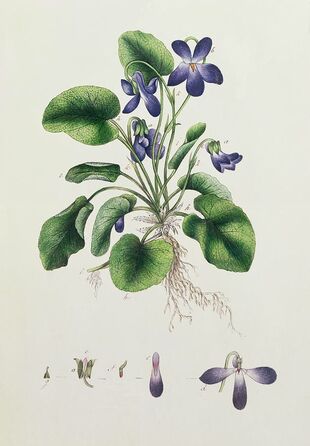
I'm blessed with an abundance of wild violets & take full advantage of it yearly! Not only are they extremely useful & delicious, they are beautiful too!  Join me as we explore their many uses & I share my easy Crème de Violette recipe--

​Wild, sweet violet [Viola odorata]
 is an herbaceous perennial often found growing on the edges of forests, in clearings, & even, to some people’s chagrin, with wild abandon in neighborhood lawns. Personally, I welcome these beautiful, useful flowering plants. Each year, we collect basket after basket full, using some fresh for salad, garnishes, jellies & syrups, infusing some for medicines & liqueurs, & drying some for tea & to ensure we have a supply year-round.
Picture

Read More
5 Comments

Herbal Spotlight: Lilacs, with my Honey Lilac Zabaglione Recipe

5/1/2021

0 Comments

 
Picture
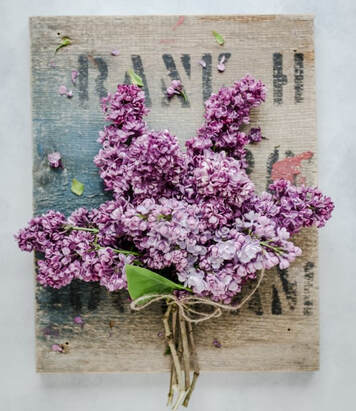
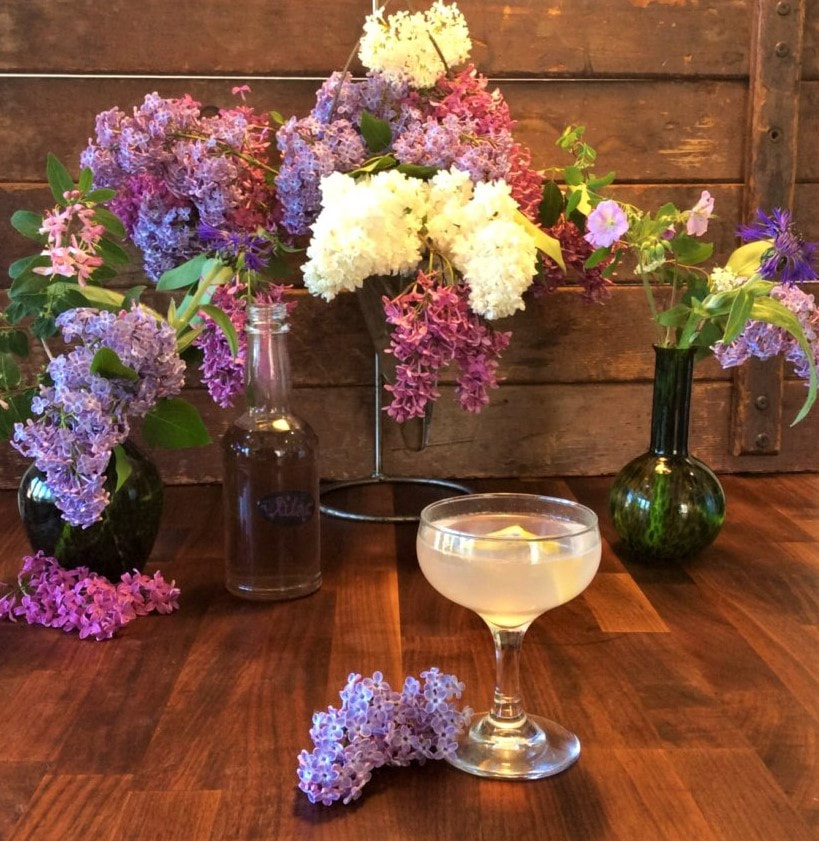
Lilacs:  Their heady scent & delicious flavor make them a favorite of mine for everything from perfume to ice cream. Join me this as I use them to flavor a beloved, heavenly Italian dessert called zabaglione.
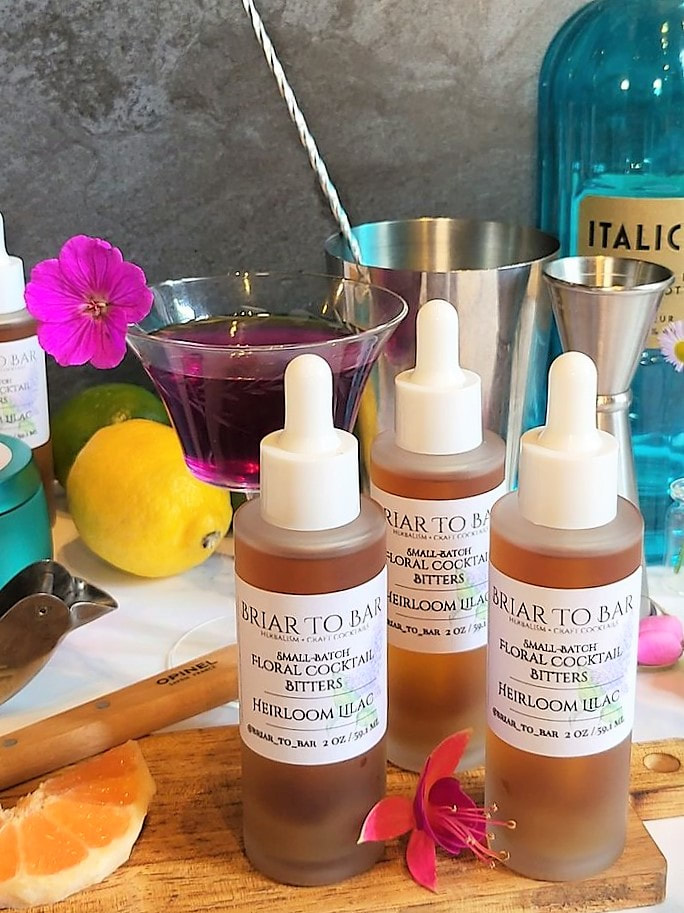
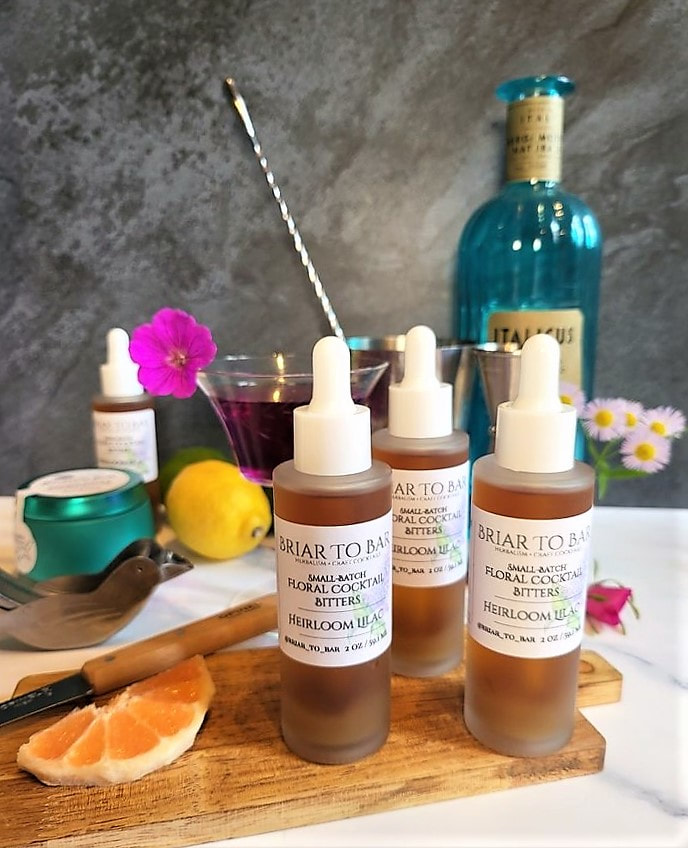
Lilacs [Syringa vulgaris] are a part of the olive family. Most revered for their amazing fragrance, their flowers also have traditionally been used for medical purposes as well. The blossoms have wonderful astringent & bitter properties on top of ther aromatic ones. This makes them excellent to infuse into facial toners or into first aid tonics, such as witch hazel, where they greatly benefit minor skin issues like rashes & cuts. Their bitter properties make them an excellent digestive aid, making them useful for adding to salads, as an after meal tea, or as an ingredient in your own home-made bitters. ​
Picture
shop our heirloom lilac
​cocktail bitters
Picture
I often use them solely for their delicate flavor & color in recipes. Softly floral with slight bitter notes, lilac's flavor plays well with honey, strawberries, grapefruit, almond, & vanilla.  In this post, I'ill show you how to infuse cream with them. This ‘lilac-cream’ is wonderful to use in custards, ice creams, & any other desserts with a milk component. I will be using it to make an herbal version of a favorite Italian dessert of mine called Zabaglione. It is a creamy, whipped delight traditionally made with sweet Marsala wine. In this one, I skip the alcohol & replace the sugar with honey to compliment the lilac flavor.
Picture
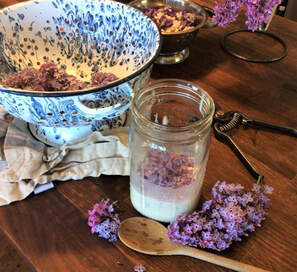
Lilac infused cream: Heaven scented and delicious!
Picture
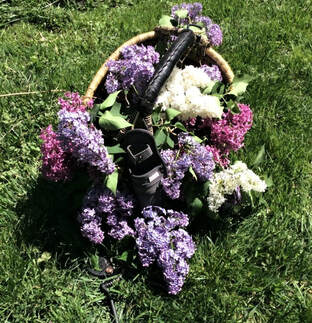
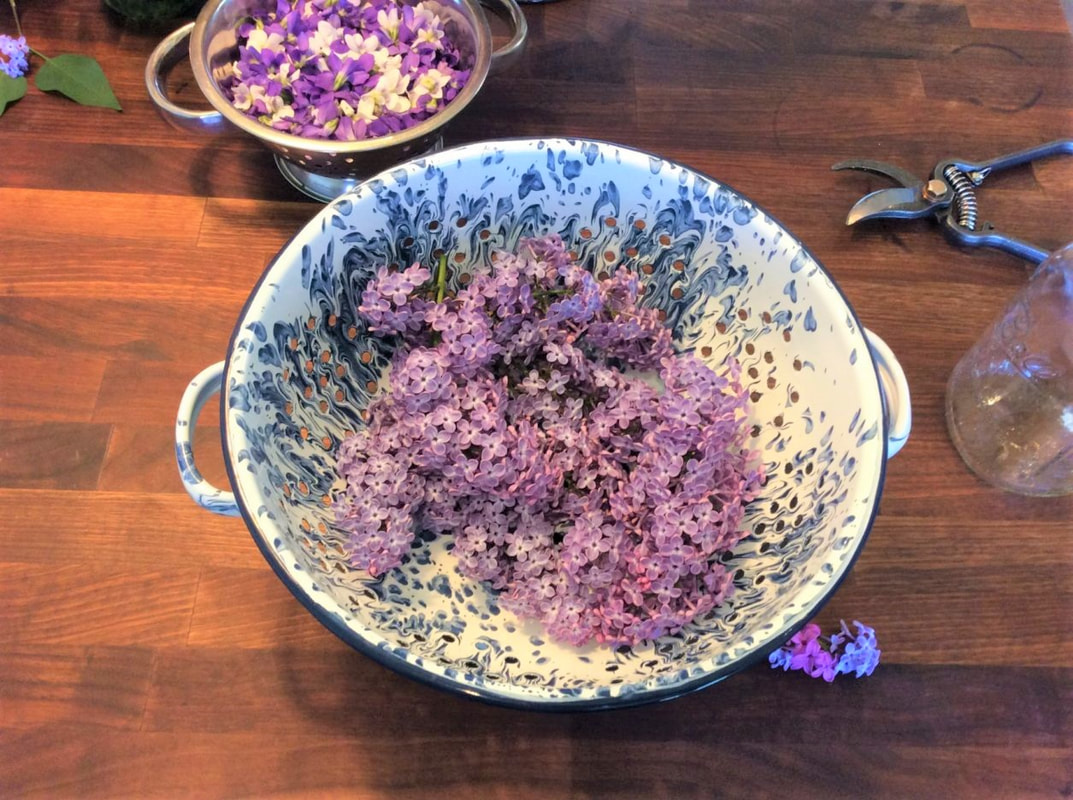
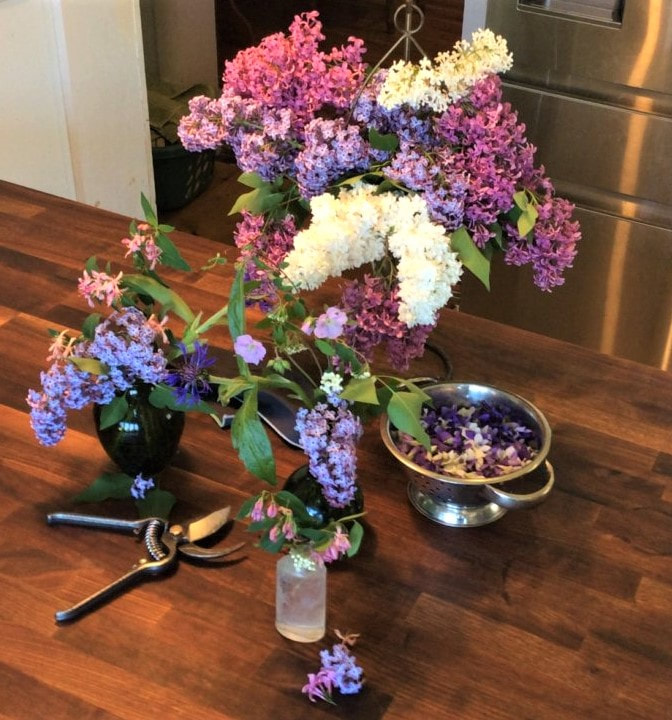
Here is my harvest of red, white,and, blue lilac flowers.
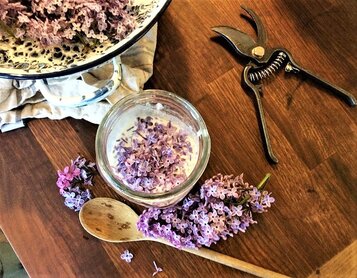
Your first step will be to collect your lilac flowers. Any color blossoms can be used. The ‘red’ & ‘blue’ flowers will impart a soft purplish hue to your milk that is quite lovely, but white or yellow flowers will also work. We are lucky to have inherited white, red & blue heirloom lilac trees with our 1841 homestead, so I use a combination of those three. Be sure the flowers you are harvesting have not been sprayed & were not grown close to heavily trafficked roads. First we will infuse our cream, then onto the main event! Let’s get to it!
Lilac Honey Zabaglione [serves 4]
1 cup Heavy Cream 
1 cup Lilac Flowers, removed from stems 
4 Large Egg Yolks  
½ tsp Vanilla Extract 
1 tsp Almond Extract 
1 ½ TSB Honey 
¼ tsp Fresh Lemon Juice 
Pinch Coarse Sea Salt 
Strawberries, cleaned & sliced, a few whole for garnishes 
I like strawberries with mine; they compliment the honey & lilac flavors well
Day Before: Rinse lilacs & remove all flowers from stems. Add the flowers & cream to a heavy cocotte or saucepan on the stove over medium-low heat.
​Gently heat, stirring for about 12 minutes -- DO NOT BOIL.
​Boiling will damage the delicate flavor of the petals. Remove from heat. Pour cream & petals into a large jar; place in the refrigerator to steep overnight.
Picture
Next Day:  Strain the petals off from your cream. Lilac petals can be rinsed with water & added to your compost. Your cream will now be flavored with the lilacs &, depending on the color blossoms used, it may also be a soft, pale purple. Pour your lilac-cream into the bowl of mixer with whisk attachment. Prepare your double boiler [or fashion one with a glass mixing cup or bowl & saucepan] with water on the stove. Bring water to a boil. Place the egg yolks, honey, lemon juice, & salt in the bowl over boiling water & whisk until doubled in volume, about 10 minutes. Keep it moving to avoid scrambling the eggs & it will easily double in volume. Add the baking extracts. Turn heat off.
Picture
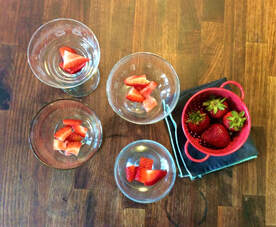
I love to add a few sliced of stawberries to the bottom of my glasses.
Whip your lilac-cream on med/high in the mixer until stiff peaks form. [if you have a kitchen helper, this can be done while you are whisking the yolks]  Carefully fold your yolk mixture into the lilac whipped cream. Place the mixture in your fridge to set for about 15 minutes. Meanwhile, prep your serving dishes. I like to use old coupe cocktail glasses, but any small ramekins or custard dishes will work. 

​A
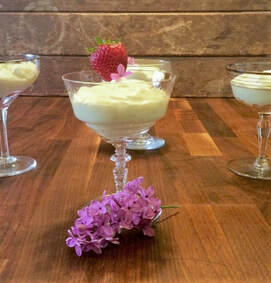
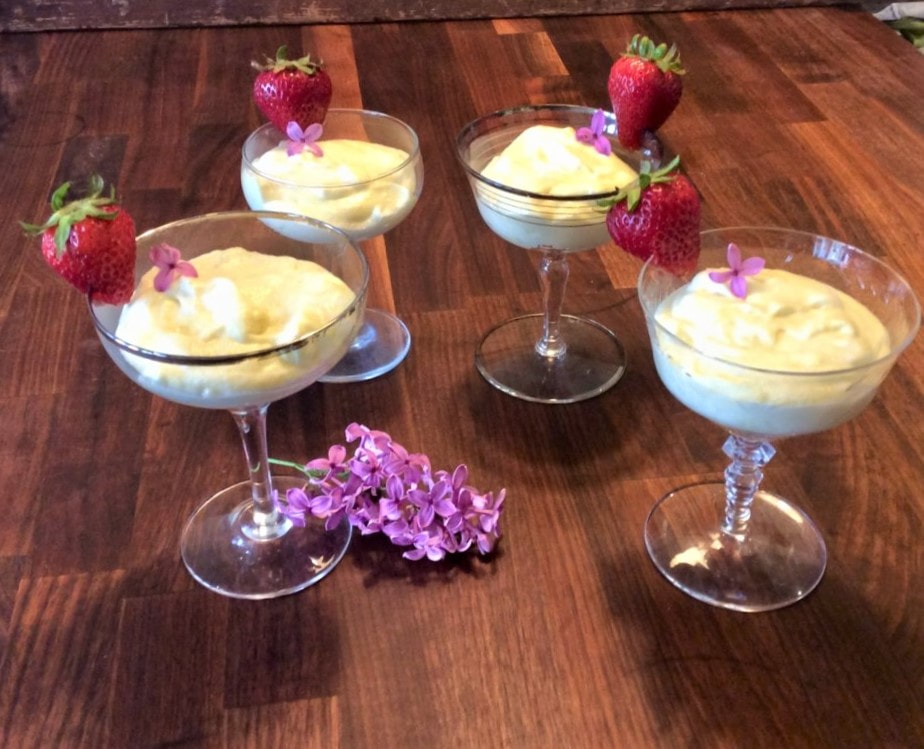
dd sliced strawberries to the bottom of each if desired. Spoon your cooled zabaglione on top of the berries in the serving dishes, dividing it equally over 4 servings. garnish with lilac flowers & strawberries as desired. Voila! The perfect way to end a meal-- Elegant, light & delicious.  
Yum!
Picture
This is one of my favorite ways to use lilacs. I also love to infuse honey with them & make lilac syrup for use in drinks.  This year, I just may add some to my witch hazel too--we shall see! I hope you give this recipe a try-- Please  let me know what you think!
​
Until next time -- Stay safe & take time to #StopAndEatTheFlowers 

0 Comments

Herbal Spotlight: Apple Blossoms, With Apple Blossom Jelly & Almond Shortbread Thumbprint Cookie Recipes

4/19/2021

4 Comments

 
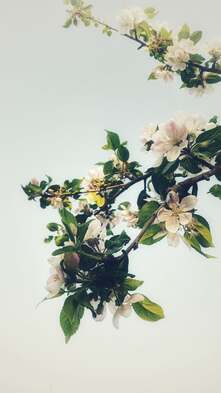
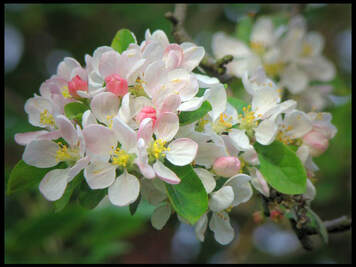
Sure they're pretty, but did you know apple blossoms are delicious?
So delicious in fact, Apple Blossom inches out Peony as family-favorite jelly in this house! [
which is really saying something...]
Apples are actually in the plant family
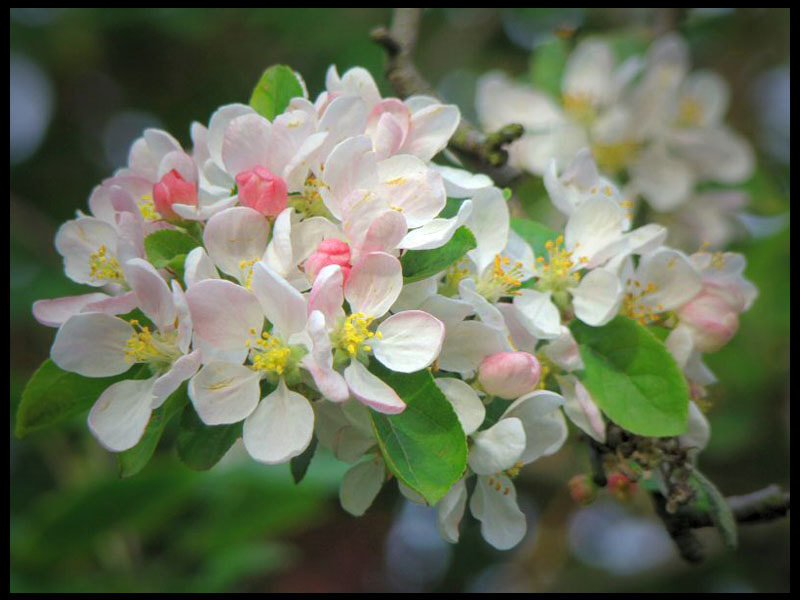
Rosaceae, same as roses, almonds, & strawberries. And, their flowers & leaves are just as edible as the apples themselves! Of course, if you pick all the flowers, you won’t get any apples later; keep that in mind as you harvest. Most trees produce an enormous amount of flowers, so this isn’t a major issue. Once you taste this jelly, I'm quite sure you will agree it is worth ‘sacrificing’ some apples for it!
Picture
Picture
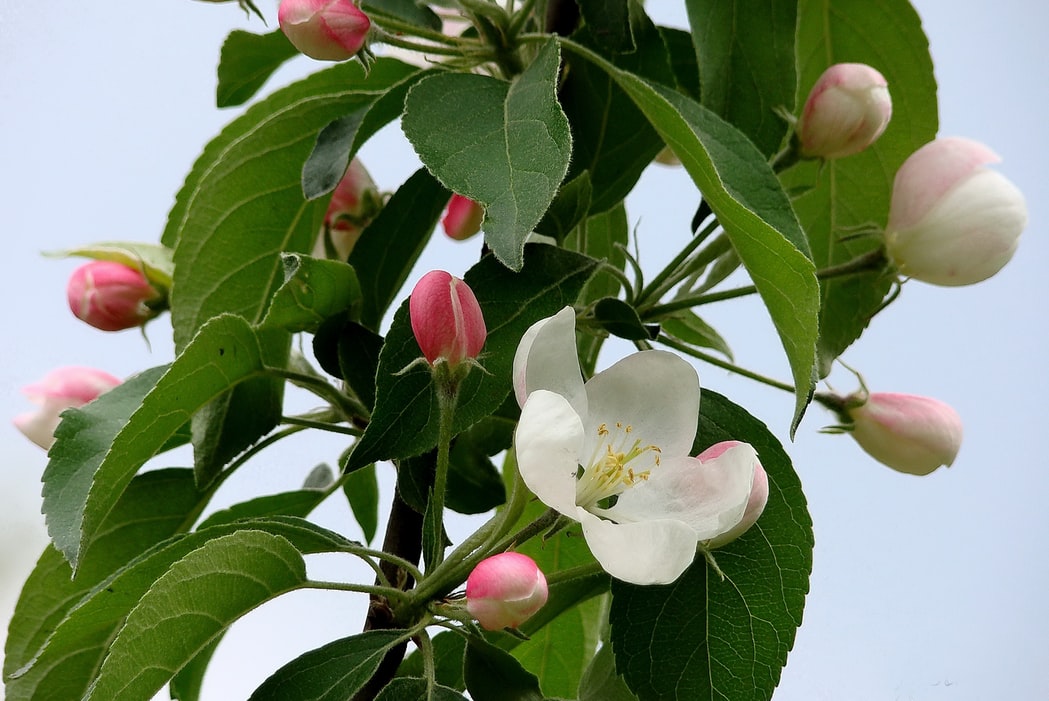
Apple Blossoms have a short blooming window of only 5-10 days.
A true herald of Spring, apple blossoms are only produced if the tree has had enough ‘chill-hours’ of dormancy. It is quite an interesting process, with mature trees producing both leaf buds & flower buds if the proper conditions have been met. Once the flowers begin to bloom, the race is on! Bees have a very short window to pollinate the flowers causing fruit to develop -- likewise, you now have about 5-10 days, depending on 
the cultivar, before the petals drop to collect any you’d like to dry or use. Here in Maine, that happens in the end of May, but full bloom can happen mid-April in more southern states like Virginia. Best to be prepared to ensure you don’t miss out of these delicacies!
Apple blossoms are high in anti-oxidants & minerals, with adatogenic, cooling, & astringent properties. They can be used fresh or dried. They are traditionally used for relieving stress & calming nerves, improving digestion, & treating acne. How to use apple blossoms? They are lovely tossed with salads & as garnishes. They're delicious infused in whiskey. Use them to make Apple  Blossom Cordial by steeping them in vodka with some sugar.
Picture
 Both apple blossoms & apple leaves are wonderful in tea;  this is a great way to incorporate their adaptogenic properties into your daily routine. Wilted & steeped in witch hazel, they make a fantastic facial toner & sunburn soother. ​


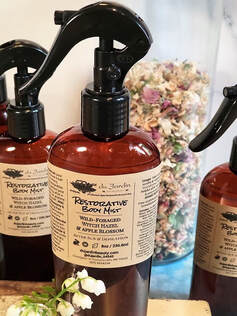
​Experience apple blossoms yourself in our fantastic Restorative Body Mist -- Perfect for soothing sikn after sun & hair removal
restorative body mist
Picture
The most delicious way to enjoy them though is to make some jelly with them -- L​et me show you how! 
Picture
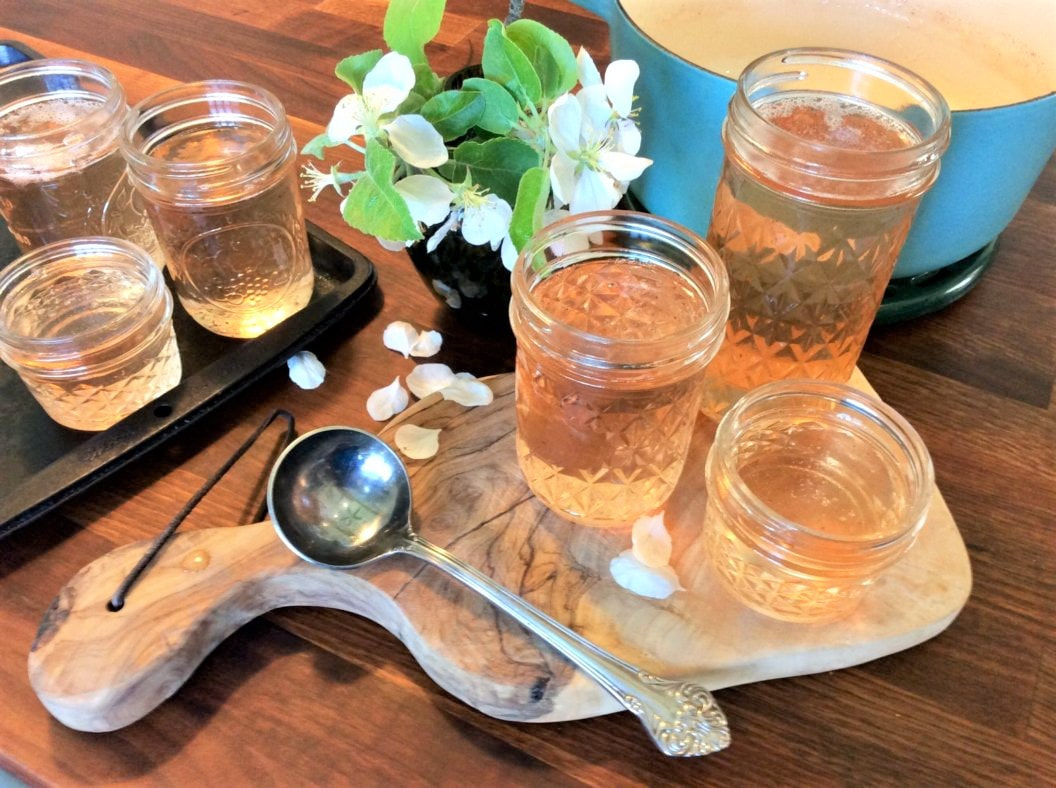
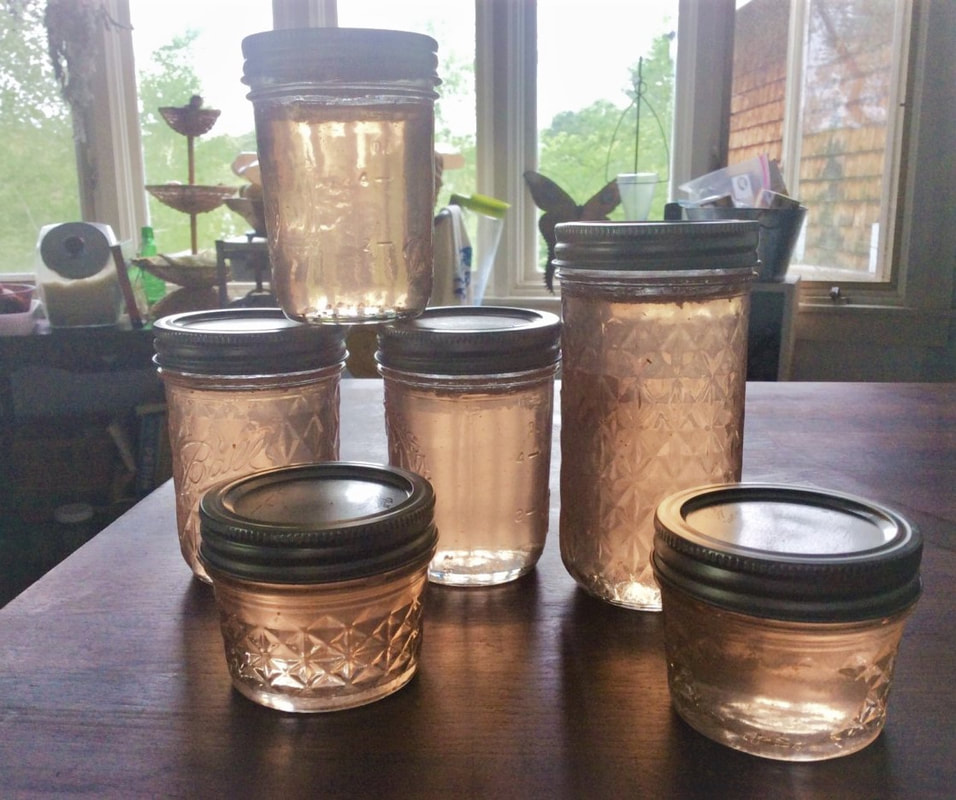
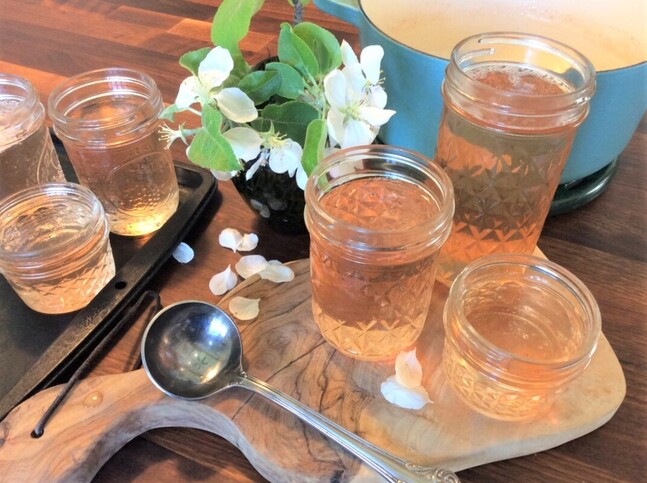
Our tree's flowers make the most gorgeous, pale-pink jelly.
First, we must gather our apple blossoms. You will need about 2 cups to make this jelly. Be 100% sure the flowers you collect are from trees that have not been sprayed! Also, remember the flowers you don’t take will [hopefully] become fruit, so only take what you will use & take it gently. You can remove blossoms without damaging their neighbors by sliding the flower 
between two fingers & gently pulling toward yourself to pop it off the branch. The color of your jelly will depend on the color of your blossoms; the beautiful white & pink flowers have varying amounts of pink depending on the apple variety. Your jelly will range from pale yellow [completely white flowers] to vivid pink [darker pink flowers.] Our ancient apple tree gives us mostly white flowers with a fair bit of pink that creates the palest, most stunning colored jelly I have ever seen. The color is impossible to capture in pictures. It is breathtaking and just as delicious as it is beautiful. We like to take the flavor up a notch by adding cardamom to our batches-- It compliments the sweet, softly floral flavor of the jelly perfectly.
Cardamom Apple Blossom Jelly
 
​Just as we do with so many other flowers & plants, the best way to capture the flavor & color with apple blossoms is to make an infusion first. Start by rinsing your flowers & removing any worms & leaves in the lot. I also remove most of the green bases from the blossoms. You want 2 cups of flowers once they are all cleaned. Add them to your water in a cocotte or 
Picture
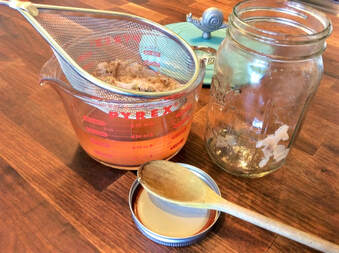
Straining our steeped petals off.
2 Cups Fresh Apple Blossoms
3 Cups Distilled or Spring Water
¼ Cup Fresh Squeezed Lemon Juice
4 Cups Sugar
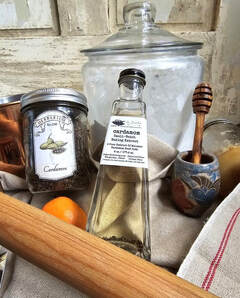
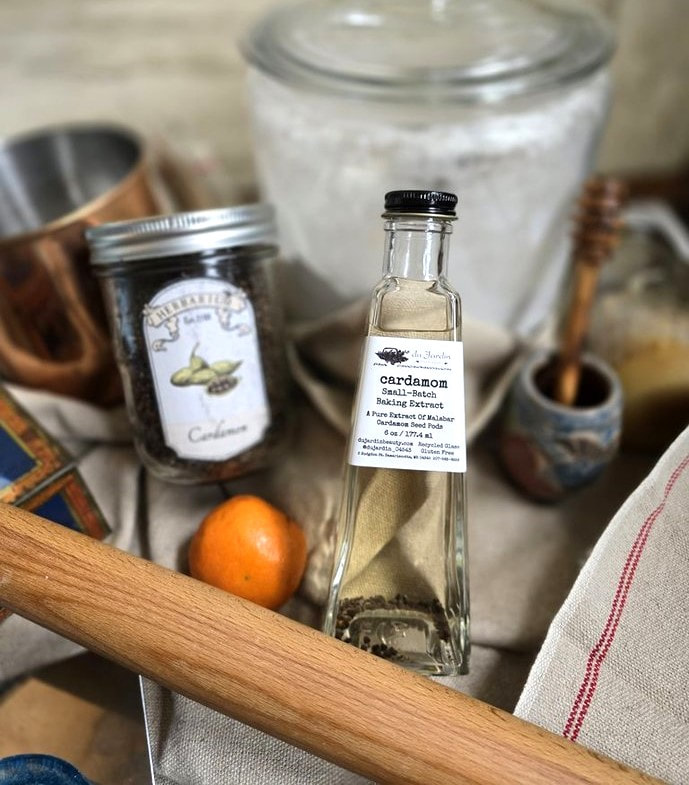
½ tsp Ground Cardamom or ½ tsp Cardamom Exract
​1 Pouch Liquid Pectin [or 2 TBS powdered pectin - NOT reduced sugar pectin tho!]
try our cardamom extract
Picture
large pot on the stove & bring to a full boil. Reduce heat & simmer for about 15 minutes. Pour your infusion into a large jar, allowing it to steep. For best flavor, I let it steep overnight. The steeping petals resemble gari [ginger] as they float in your infusion-- So pretty.
Picture
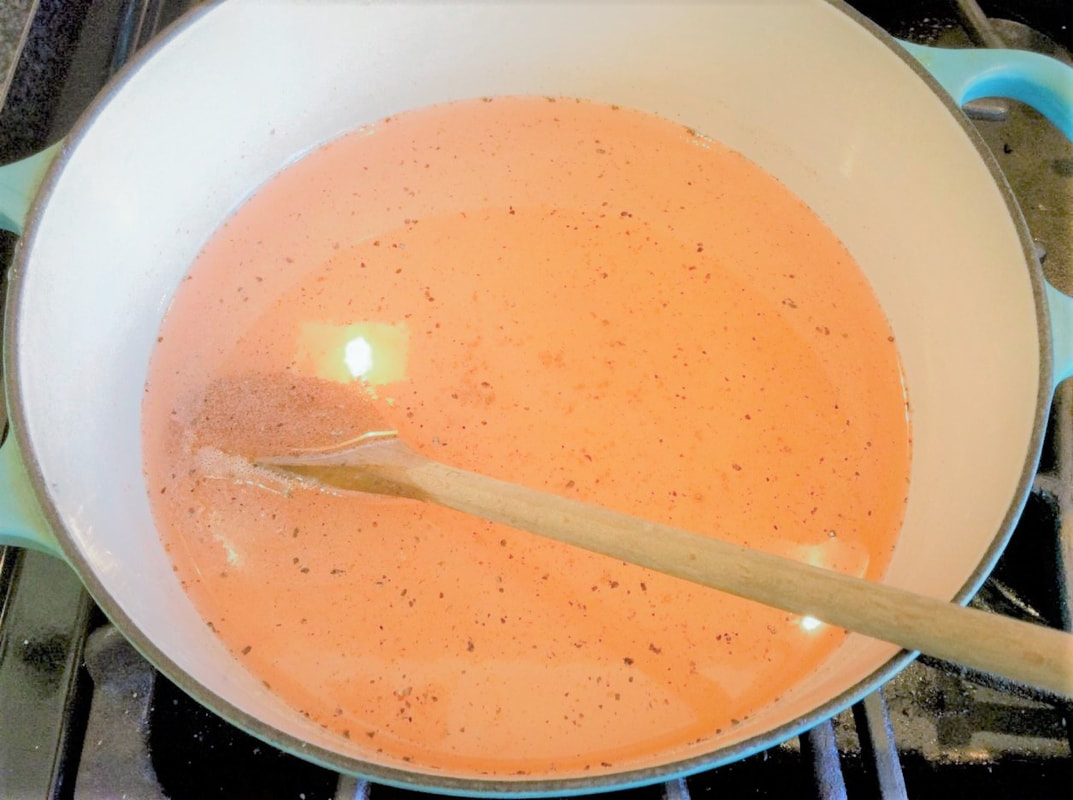
The next day, strain off your infusion with cheesecloth or a fine-mesh stainer. Compost the spent petals. You will need 2 cups for the recipe -- Set aside any extra to enjoy as iced-tea later in the day! Prepare your sterile jelly jars & lids. Add your 2 cups of apple blossom infusion, your lemon juice, 4 cups sugar, & cardamom to your cocotte or large pot. I prefer to use a larger, rough grind of cardamom for mini 
flavor bombs in ours--you can use finely ground if you prefer. The rough is quite visible in the resultant jelly as you can see. Bring to a full, rolling boil, stirring to prevent scorching.Keep at a rolling boil for a full minute, then add your pectin, stirring to incorporate, & bring the batch back to a rolling boil. Boil your jelly for 2-10 minutes until it is glossy & thick. Ladle into prepared jars & set aside to cool completely -- And there you have it!  You can either keep your jars in the fridge or process them in a water canning bath for the proper time for your elevation.
Picture
Prepare yourself--This jelly is absolutely AMAZING!
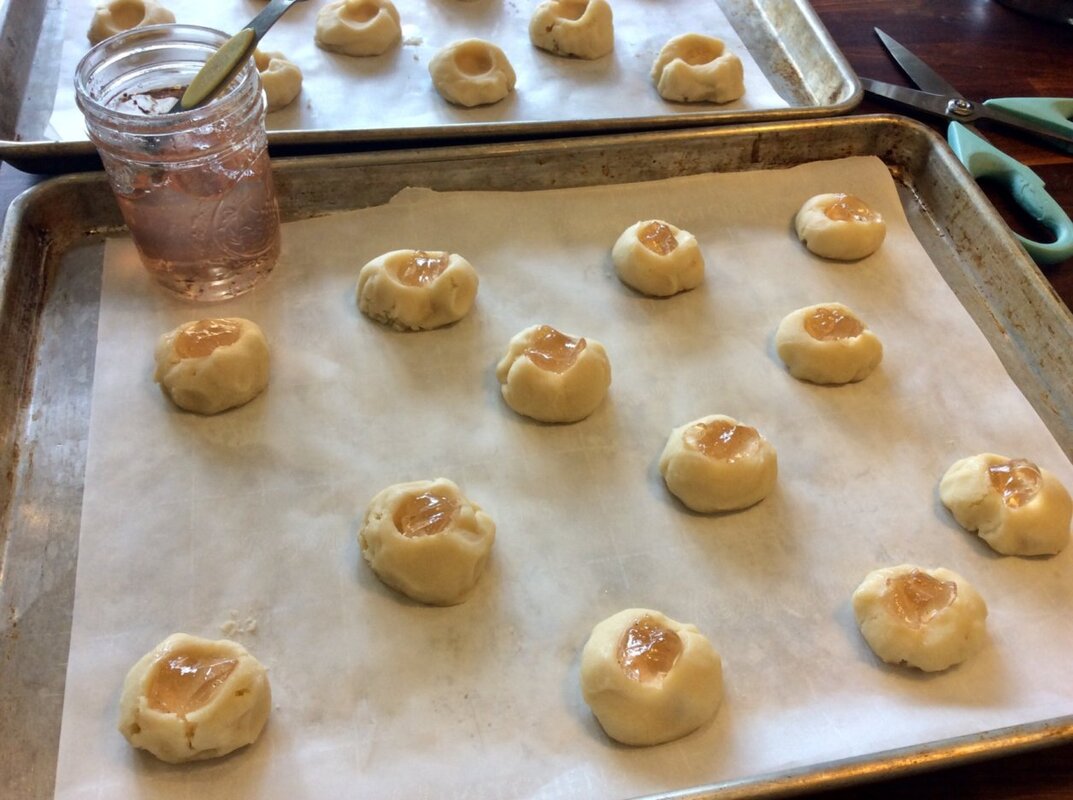
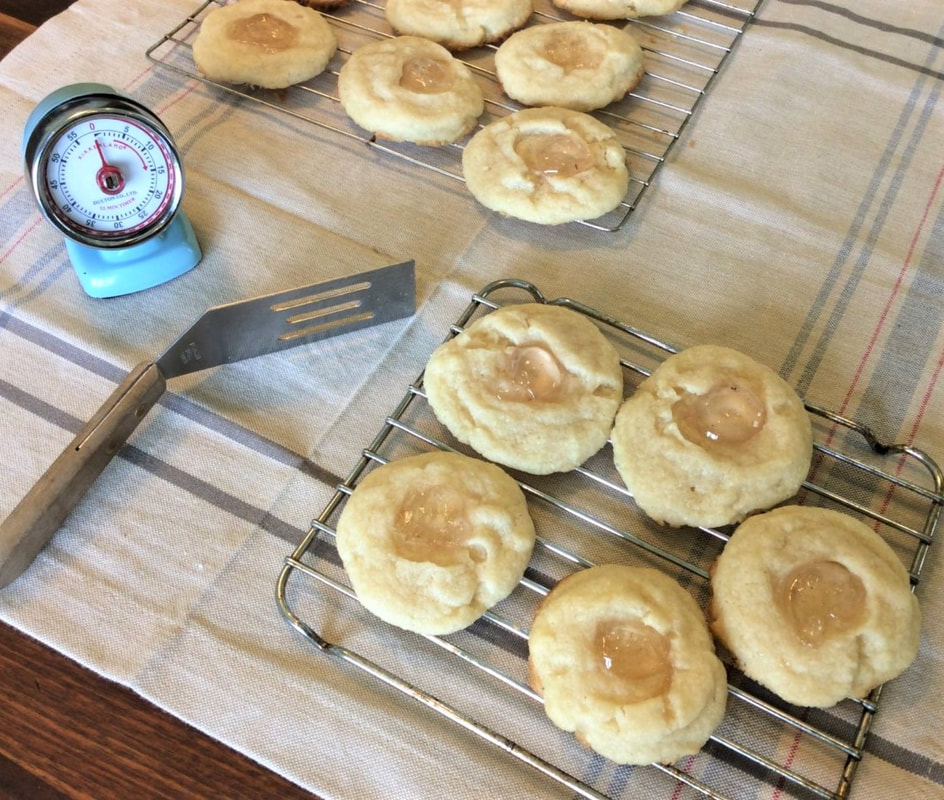
Wonderful on toast, or crusty bread with some chevre. It is also my favorite for filling thumbprint cookies -- With almonds & apples coming from the same family, it isn’t surprising how well their flavors play together & these cookies really show off how gorgeous this jelly is! 
​Here is my recipe for them:
Almond Shortbread Thumbprint Cookies With Apple Blossom Jelly
1 c Unsalted Butter, softened 
2/3 c Sugar
1 TBS Vanilla Exctract*
½ tsp Almond Extract*  [*or just 1 ½ TBS Buttercup extract]
1 ½ c All-Purpose Flour
½ c Almond Flour
Apple Blossom Jelly
Note: This is a very soft dough & it must be refrigerated for at least 3 hours prior to baking.

Whip your butter with the paddle in a stand mixer until light & fluffy. On medium speed, add the sugar & your Vanilla & Almond [or Buttercup in place of both]. Scrape down your bowl. Add flour with the mixer on low. Compact & press your dough down in the mixing bowl. Cover & chill your dough for at least 3 hours. Preheat your oven to 350 & prepare baking trays with parchement, keeping your dough in the refigerator until abslutely ready to bake. Form balls with your cold dough, using roughly 1 TBS of dough or each, & evenly space on trays. 
Picture
Simply smooth the dough edges if they start to crack like this one in the lower left-corner.
Picture
Press your thumb in the middle of each ball to make a small crater, smoothing the edges if they crack a bit. Fill each of these indents with Apple Blossom jelly, a bit less than ½ tsp in each.
​
​Bake the cookies at 350 for 10-12 minutes in top or middle [not lowest rack] until lightly brown.
Place cookies on racks to cool & ENJOY!
Okay--that is all for this round! Don't miss the extremely short window of opportunity to try these recipes. Hopefully, I got this out in plenty of time for you to plan for harvesting apple blossoms this season. It really is worth the fuss! I do hope you enjoy these recipes -- Let me know how it turns out for you & share pictures! I love to see all the different shades of jelly nature produces!
Until next time--Stay safe &
 #StopAndEatTheFlowers 
4 Comments

Herbal Spotlight: Forsythia, with Forsythia Syrup & Bees Knees recipes

4/4/2021

1 Comment

 
Picture
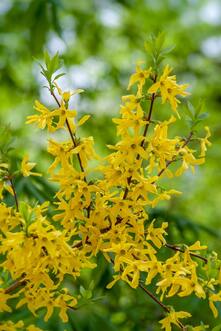
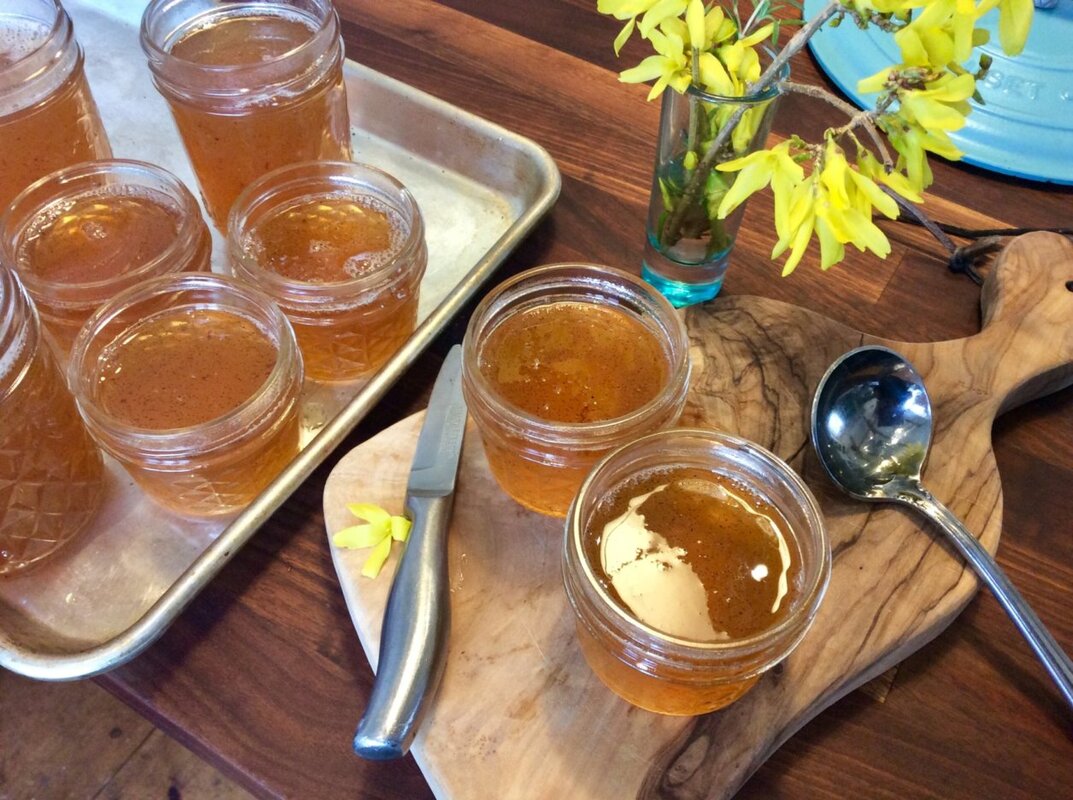
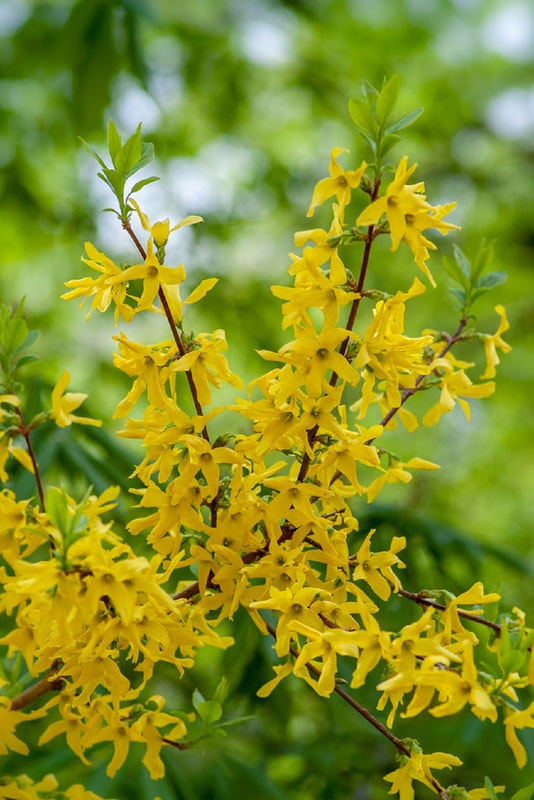
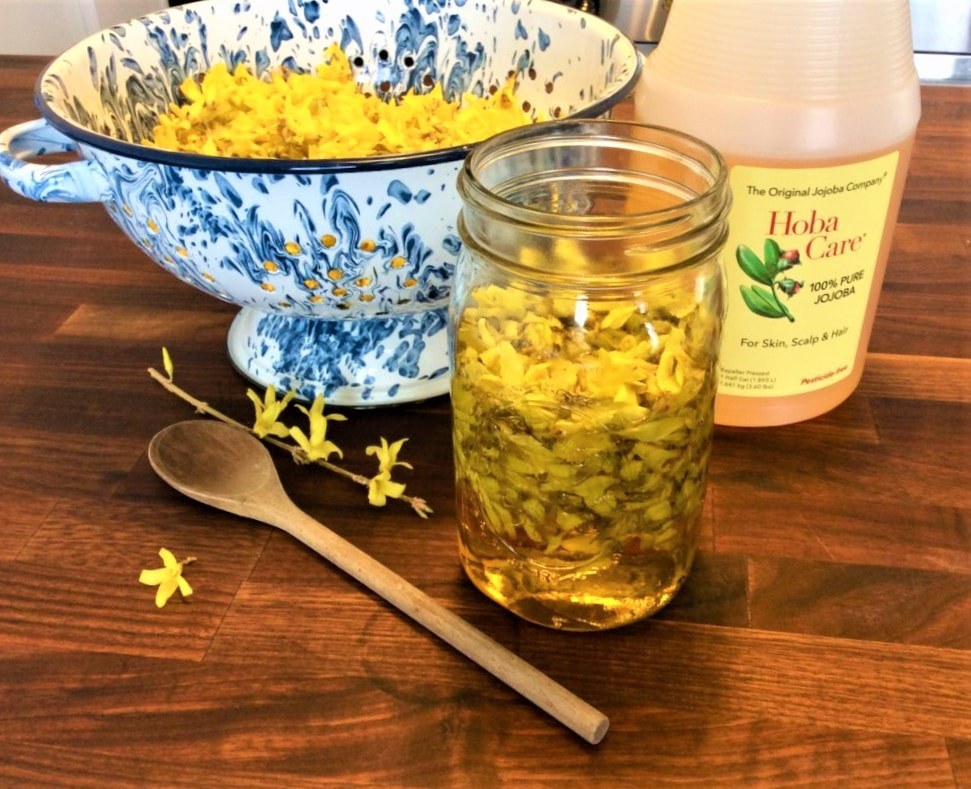
One of the first powerful, floral adaptogens to emerge each Spring, forsythia blossoms have so many medicial & culinary uses.
​One of my favorite ways to enjoy them is in a Forsythia Syrup that can be used in lemonades, over pancakes or ice cream-- & of course, in cocktails!  
​
It tastes like spring & is so easy to make!  I will walk you through the process, as well as how to craft your own Forsythia Bees Knees cocktails with it too.
​
Forsythia is actually part of the same plant family as olive trees & has been used, particularly in Chinese medicine, medicinally for centuries. Recent studies have shown it to have strong antioxidant content, as well as antibacterial, antiviral, adaptogenic, & anti-inflammatory properties. In addition to its more medicinal uses, forsythia is amazing for treating skincare issues, helping to reduce redness & tightness in the skin, & even wiping out acne & boils. An easy way to harness their benefits is to incorporate the blossoms into goodies in your kitchen. Their flavor is unique, providing equal parts floral & herbaceous with both sweet & slightly-bitter notes -- to me, they taste like sunshine!​
Picture
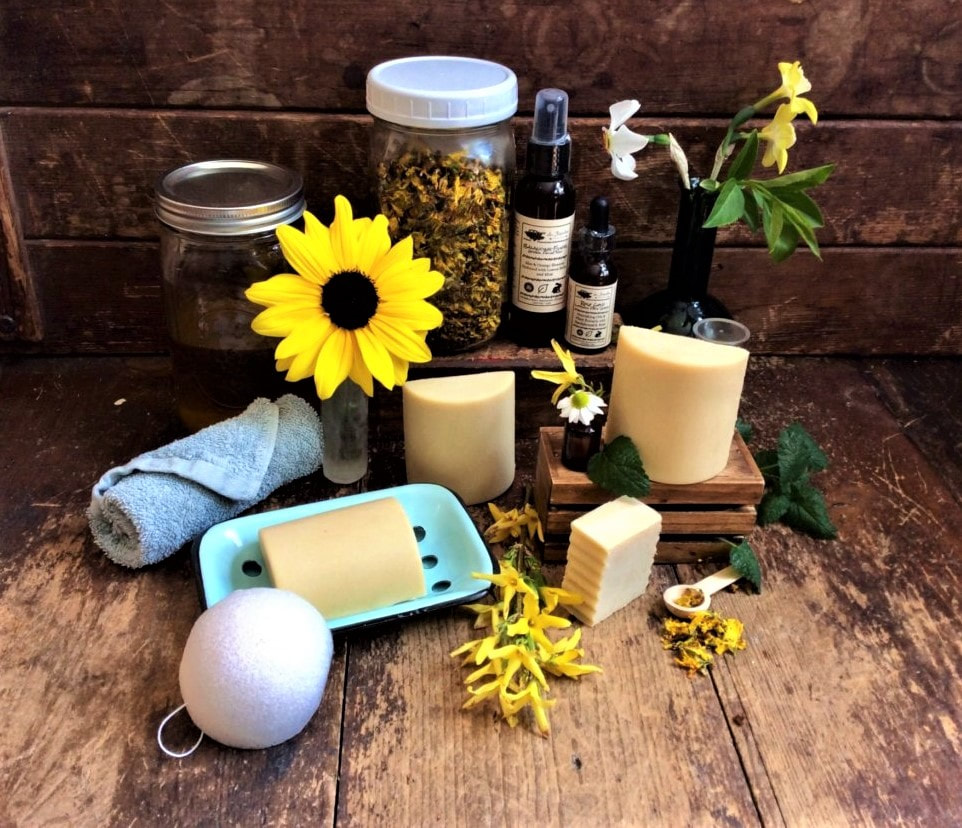
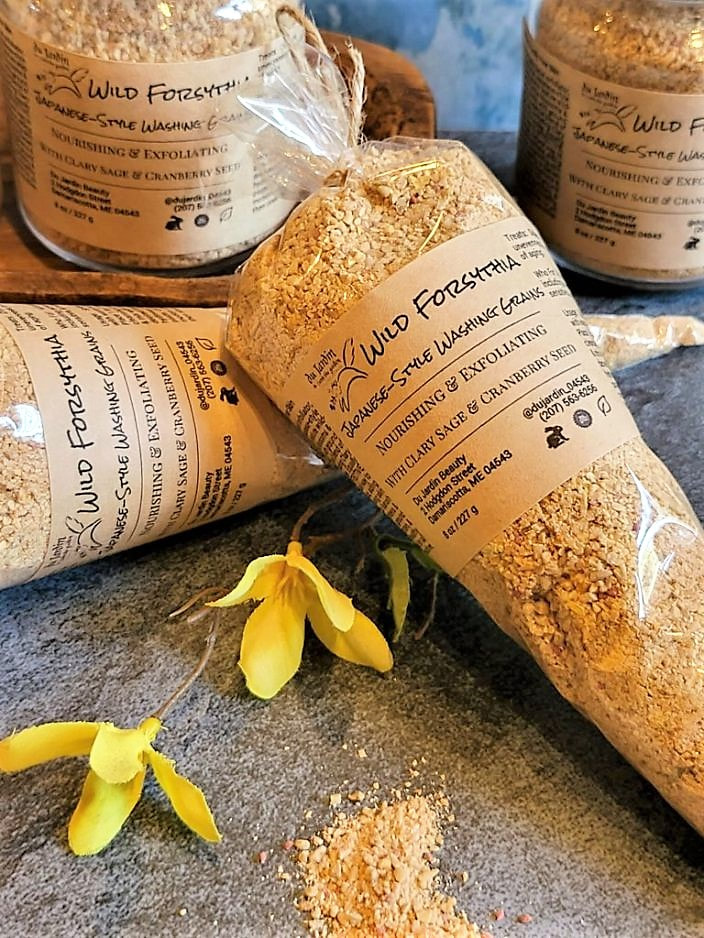
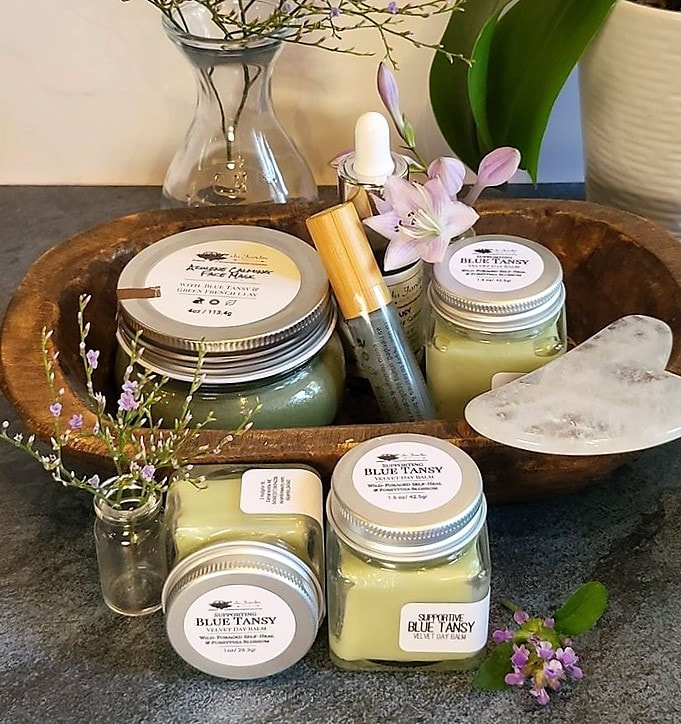
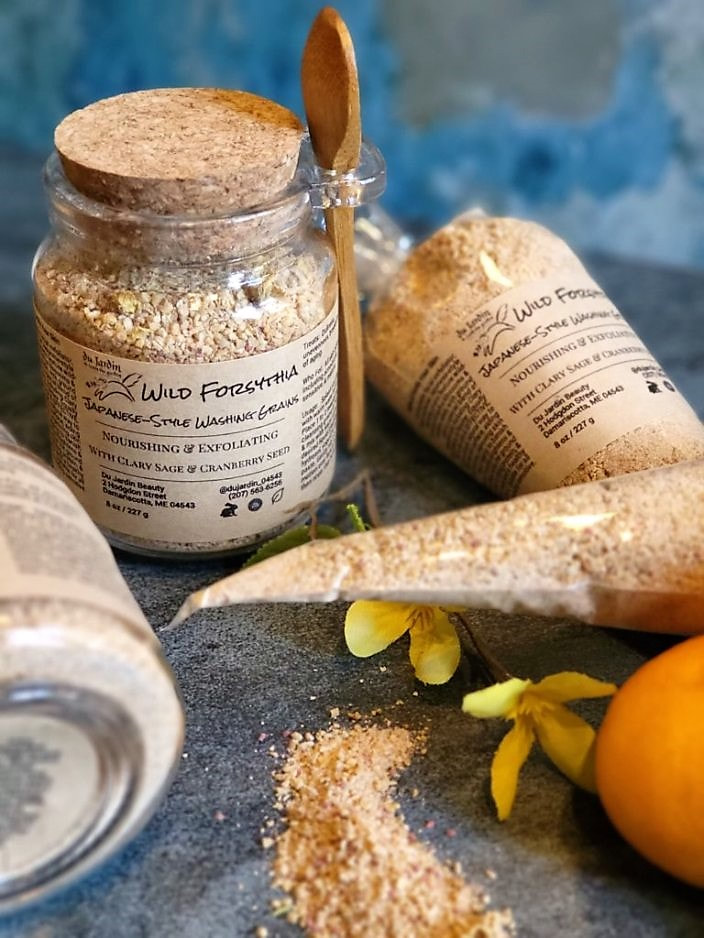
Wild-harvested forsythia is used in many of our skincare products, like these Forsythia Facial Bars, for its wonderful benefits.
explore our forsythia skincare products

Wild Forsythia Facial Bars

Shop

On Sale

On Sale

Supportive Blue Tansy Velvet Day Balm

Shop

Wild Forsythia Cleansing Grains

Shop

Locally Foraged Forsythia Blossoms, Dried

Shop
Picture
Be sure to grab my recipe for Forsythia Vanilla-Bean Jelly too!
Forsythia is amazing in teas, jellies, & syrups -- even ice cream! The blossoms can be used fresh or dried. Fresh are quite lovely sprinkled over a salad. Dried blossoms make a fantastic addition to herbal tea blends for immune system support. I find ther flavor pairs really well with honey, complementing forsythia’s green-floral notes perfectly. This pairing is what makes the Forsythia Syrup so damn tasty & is an excellent way to glean forsythia’s benefits in your diet.
forsythia vanilla-bean jelly
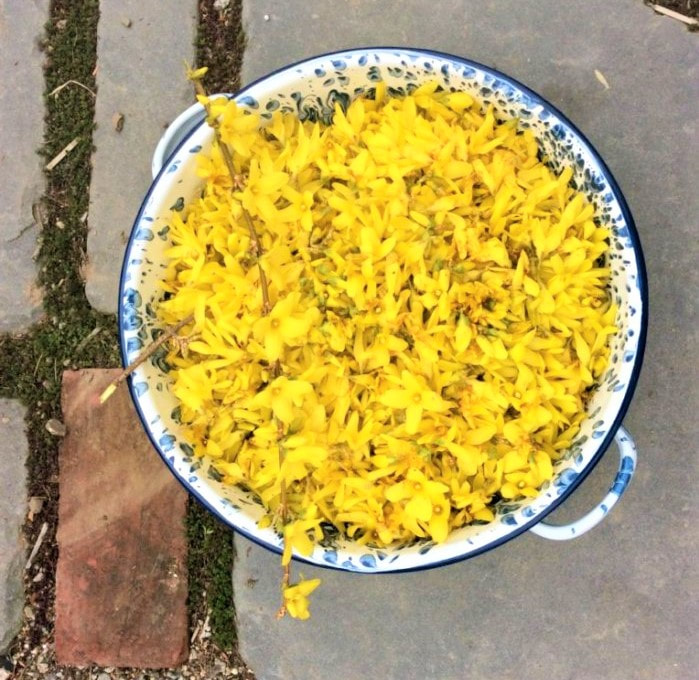
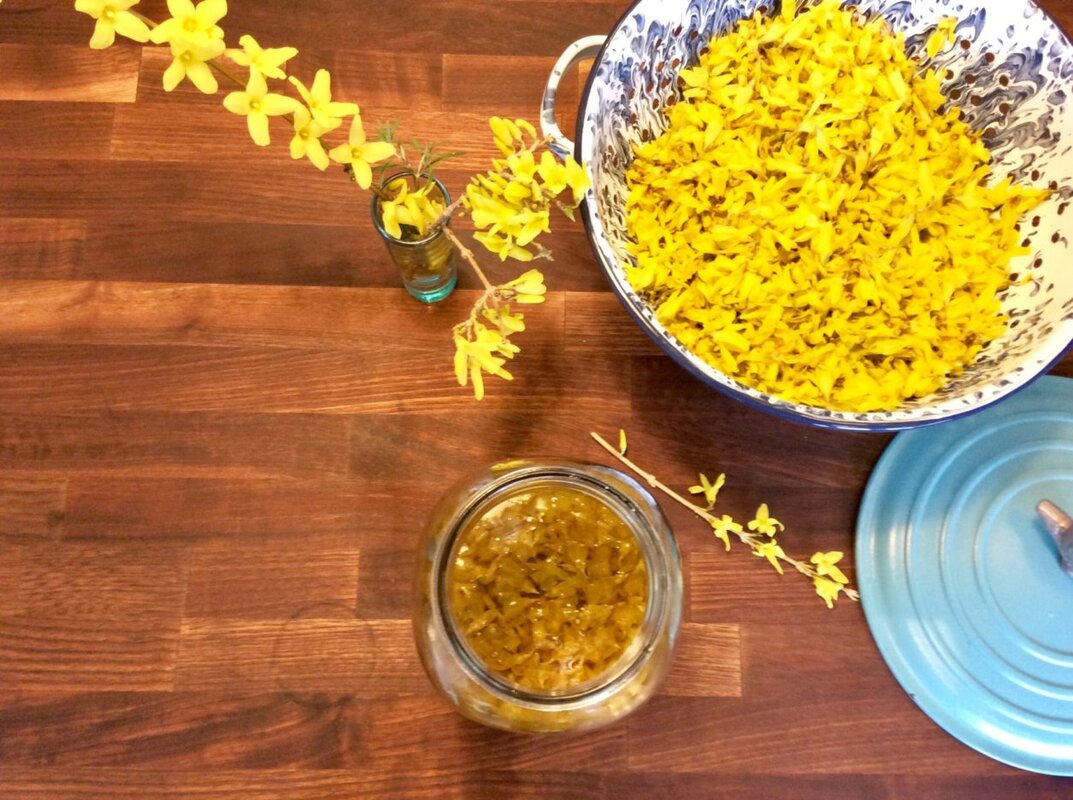
To get started, you’ll need some freshly gathered forsythia blossoms. As always, be sure to gather flowers only from shrubs you are sure have not been treated with pesticides. Picking the flowers is super easy as they emerge before the leaves, so you can forage a bunch quickly without having to pick through to remove them after. I find gathering them very relaxing, & a perfect excuse to enjoy the return of nicer weather! I always collect a ton so we have plenty to make our skincare products, dry enough for tea to last the year, & have a bunch for syrup & other tasty treats. To make this full-size batch of syrup, you will need about 1-1 ½ cups of blossoms.
Picture
Gather whole blossoms -- No leaves please!
Forsythia Syrup
1- 1 ½ cups fresh forsythia blossoms 
1 cup spring water 
1 cup pure honey [*for raw honey, see note at end of recipe]
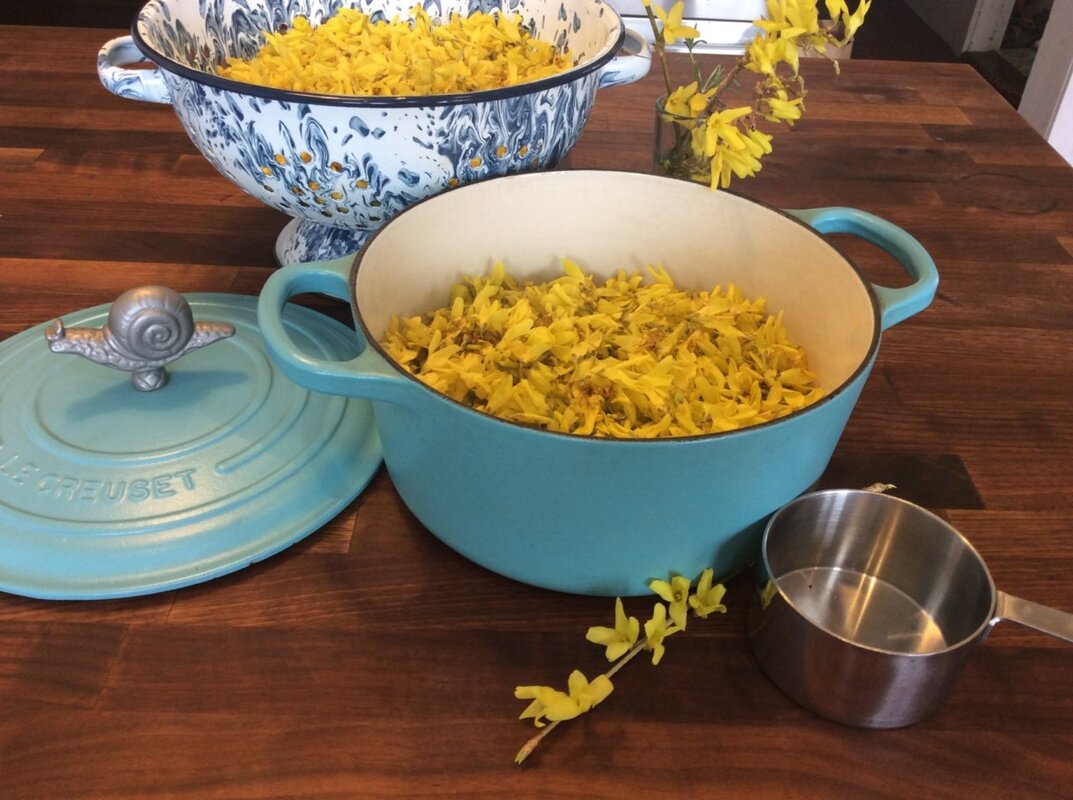
Sort your blossoms, taking care to remove any hitchhiking bugs; there is no need to remove their green bases, but some people do. Removing the bases will enhance the floral aspect of your syrup’s flavor, while leaving them gives a more herbaceous/floral combination that I enjoy. 
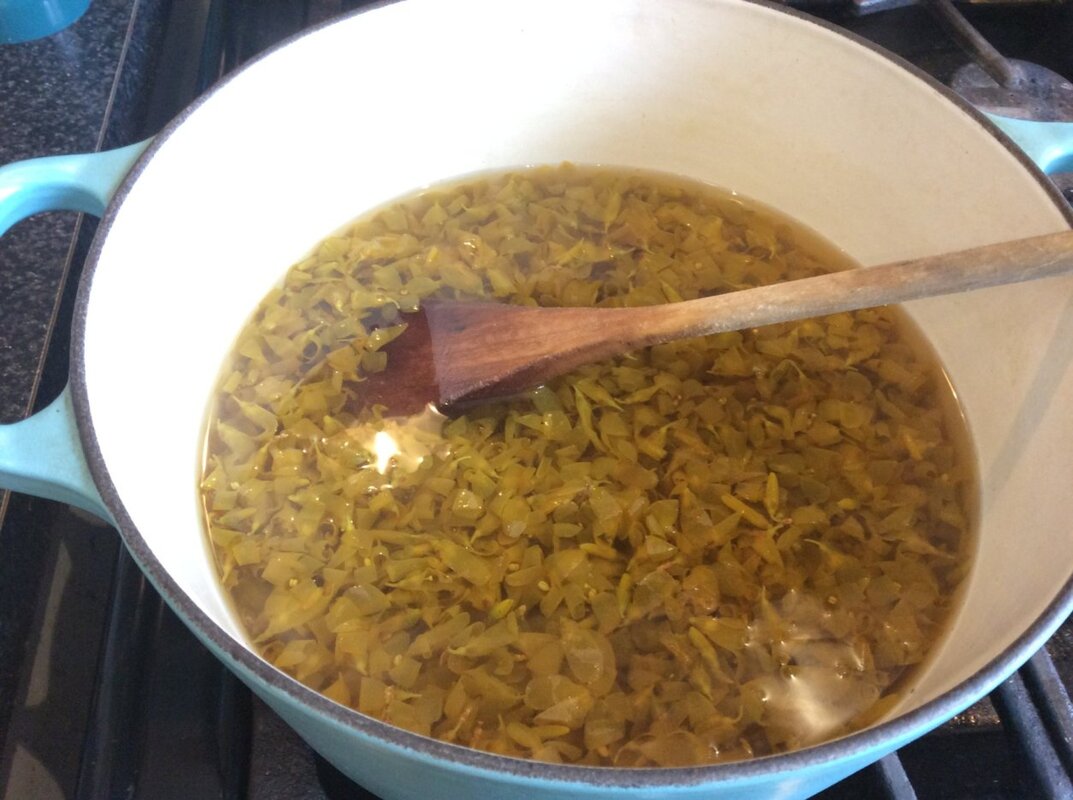
Add your forsythia & water to a pot; bring to a full boil, stirring occasionally. You'll notice the flowers begin to darken & lose their color to the liquid. Boil for 3-5 minutes, then turn your heat down to simmer & add the honey, stirring to dissolve & incorporate. Once fully dissolved, remove the pot from heat & strain out the spent blossoms with a fine strainer or cheesecloth. You can compost or toss the forsythia.  *IF USING RAW HONEY: to protect the beneficial qualities of raw honey, remove your forsythia tea from heat & strain out the blossoms, allowing the tea to cool a bit BEFORE stirring in your honey. It’s a bit harder to incorporate, but still gives you a lovely syrup, while protecting the raw-honey benefits that would be damaged by heat.
Allow to cool completely & pour into a sterile bottle for storing. This syrup will keep for 3 weeks or so in the refrigerator. Try it over pancakes or vanilla ice cream for a real treat! Add a spoonful to a cup of Earl Grey tea or add a splash to homemade lemonade. Or use it is cocktails, like this one:
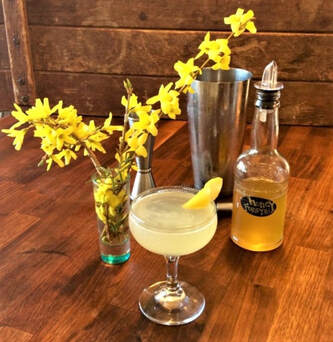
Forsythia Bees Knees
2 oz Gin 
¾ oz Fresh Squeezed Lemon Juice  
½ - ¾ oz Forsythia Honey syrup 
Lemon Peel Twist for Garnish
Picture
A 'Bees Knees' is a Prohibition Era cocktail made with gin, fresh lemon juice, & honey. The addition of forsythia in this version gives this tasty classic a fresh floral vibe, making it the perfect Spring tipple! Use a classic London gin for a more juniper-forward drink, or try a botanical gin, like the Botanist, to play up the herbaceousness. 
Simply add the ingredients & ice to your shaker & shake to combine. Stain into a coupe to serve. Bees Knees are traditionally garnished with a twist of lemon, but you can’t really go wrong adding an edible flower or two as well!  Enjoy!
That’s it for this post. I hope you give these recipes a go -- they are so easy to make & so very tasty! Forsythia’s bright flavor is the perfect way to Welcome Spring. Until next time--Stay safe & remember to  #StopAndEatTheFlowers 
1 Comment

Herbal Spotlight: Stinging Nettle, with my cordial & cocktail recipes

3/8/2021

0 Comments

 
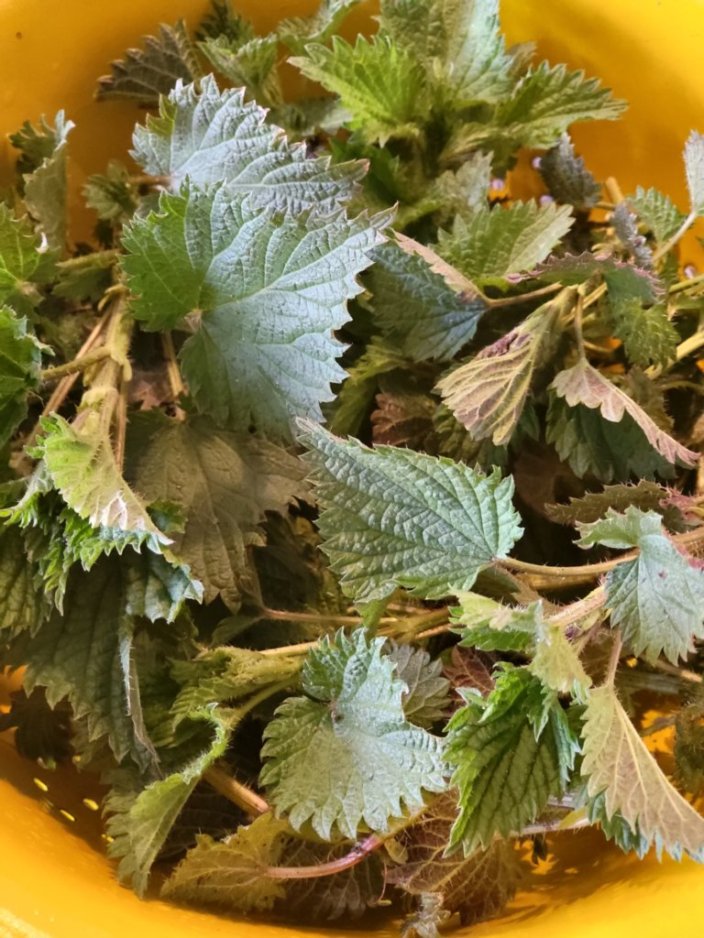
Absolutely one of THE most beneficial wild plants out there, nettles are more friend than foe! Their benefits far outweigh the chance of a sting! [don't be a hero, just wear gloves!]
 
Join me as we explore their myriad uses & make up some on my delicious Nettle Cordial -- Suit up & let’s meet you new, favorite foraging friend!
Picture
Picture
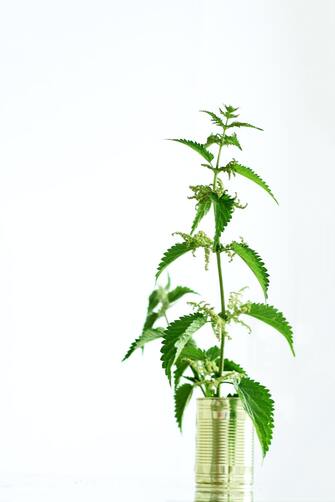
Stinging nettle [Urtica dioica] is an herbaceous perennial flowering plant of the family Urticaceae. This is not to be confused with Purple Dead Nettle, which is actually part of the Lamiaceae or mint family -- although those are really useful as well. [Total side-note: Check out Herbal Academy’s post on them here]    Back to Stinging Nettles:  The plant boasts pretty, heart-shaped leaves & yellow or pink flowers, with stems covered in tiny, stiff hairs. These act like needles injecting histamine & other chemicals that create a stinging sensation when touched. While the threat of a sting may seem reason to leave them alone, you are truly missing out on a bevy of nutrients & benefits if you are giving them a pass. Once dried or boiled/soaked, they no longer sting. Nettles are also readily available from herb houses if you are nervous to collect & process them yourself, so don’t let that stop you!
Nettles have been known for centuries as a source of food, fiber & as a medicinal herb. The leaves, stems, seeds, & roots can be crushed & made into powders, tinctures, creams, teas, & more. Long appreciated for its nutritional value, nettles are rich in vitamins C, B2, K1, carotenoids & tocopherols, minerals such as calcium, potassium, magnesium, phosphorous, chlorine, manganese, copper & tons of iron, as well Linolenic acid, an essential fatty acid. Its stems & leaves are often boiled & served like spinach as a super-nutritious side dish due to these amazing nutrients.
Picture
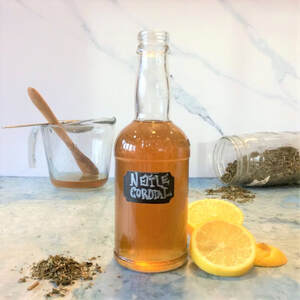
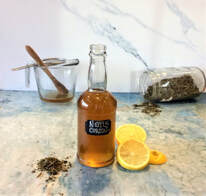
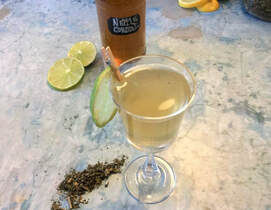
Your cordial will be an amber color if made with dried nettles
Picture
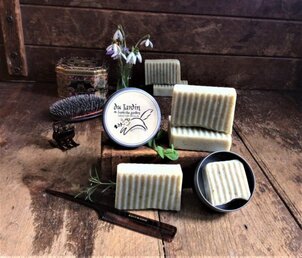
Our Balance and Body SLS-Free Shampoo Bars are loaded with nettle.
In the world of cosmetics, nettle is beloved for its anti-aging properties, ability to treat acne, & its amazing support for hair. Nettle works as a natural astringent, tightening & firming skin, while helping to regulate oil production & encouraging healing. It is also loaded with pantothenic acid, strengthening hair, promoting growth, & helping to treat dandruff. I use nettle in many of our skin & hair products for just these reasons. 
find nettles in these popular products:

Exfoliating Willow Bark Herbal Tonic

Shop

Sea-Clay & Nettle Balancing Facial Bars

Shop

Balance & Body SLS-Free Shampoo Bars

Shop

Stimulating Scalp Serum With Wild-Foraged Horsetail & Nettle

Shop

STINGING NETTLE Tincture, Gluten-Free

Sold out

Shop

Botanical Bliss Adaptogenic Herbal Tea With Tulsi & Butterfly Pea Flower

Shop

Brow & Lash Serum With Wild-Foraged Horsetail

Shop

Blue Magic Dual-Phase Blemish Rollers

Shop

Refreshing Herbal Aftershave

Shop

They have analgesic, anti inflammatory, antiallergenic, & antiviral properties, & have been traditionally used to treat kidney & urinary tract, & BPH issues. Nettles have long been used to help with arthritis pain. New promising studies show great benefit for diabetes patients, with nettles lowering blood sugar. They have strong adaptogenic properties, & have been shown to lower blood pressure. Nettles are often used in teas to deliver these benefits.
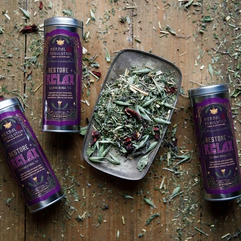
​ You will find them on the Herbal Revolution Relax + Restore Tea we sell, & in Celestial Seasonings
Sleepytime Sinus tea.
Picture
This delicious tea from Herbal Revolution contains nettle and large amounts of tulsi -- Extra delicious and relaxing
nettle tea please!
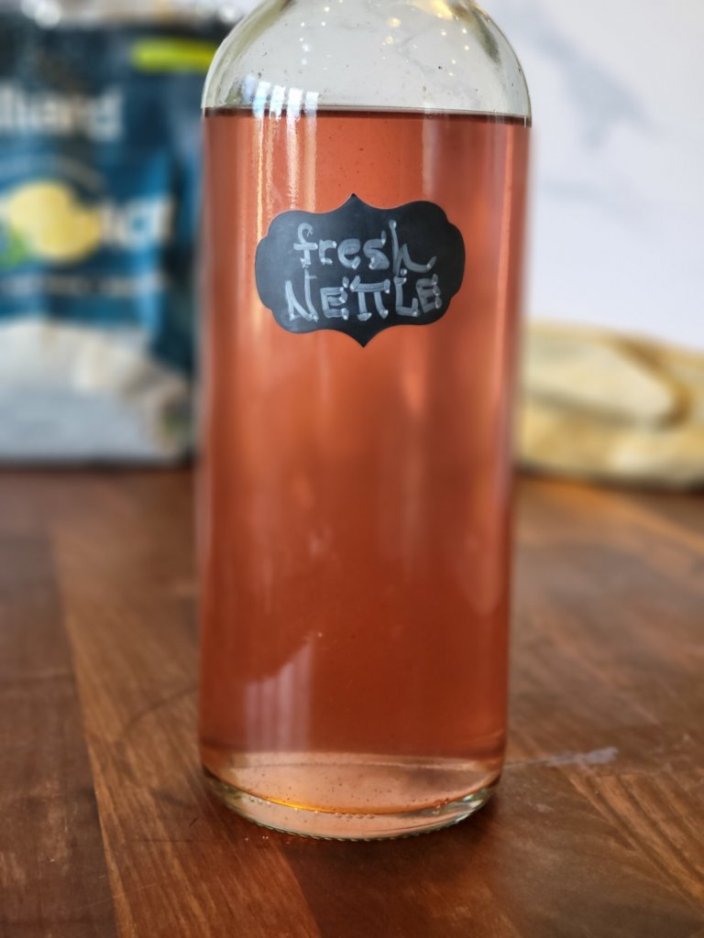
Another delicious way to reap these benefits is in using nettle to make syrups & cordials. You will find them to have an absolutely delicious & completely unique flavor when used this way. The flavor is quite impossible to describe-- rather vegetal & green with strong apricot-peach notes. It’s AMAZING!  Its adaptogenic properties make it a natural for relaxing, end-of-day drinks, both with or without alcohol. Fresh or dried nettle can be used, with fresh cordials often turning a pinkish shade [similar to how Queen Anne’s Lace turns color.] I like it best as a British-style, non-alcoholic cordial [similar to an herbal syrup with citric acid added] & will share my recipe for that here, as well as Zero-Alcohol & Craft-Cocktail recipes made using it.
Picture
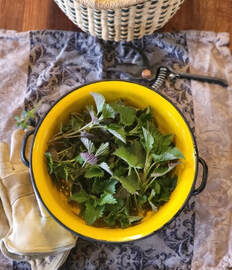
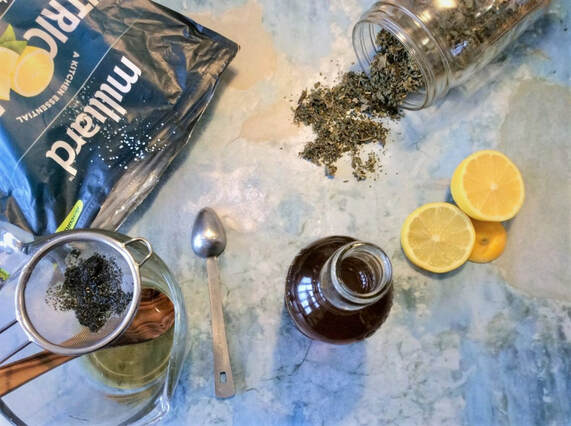
Gather your ingredients and let's do this!
Nettle Cordial [non-alcoholic cordial]

​1 cup water  
1 cup sweetener of choice [sugar, honey, xylitol, monkfruit]  
1 cup fresh nettle leaves & stems [or ½ cup dried]  
2 slices fresh lemon [or LIME!] 
​
½- 1 teaspoon citric acid
Picture
Picture
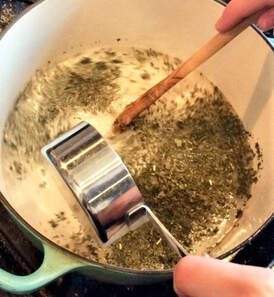
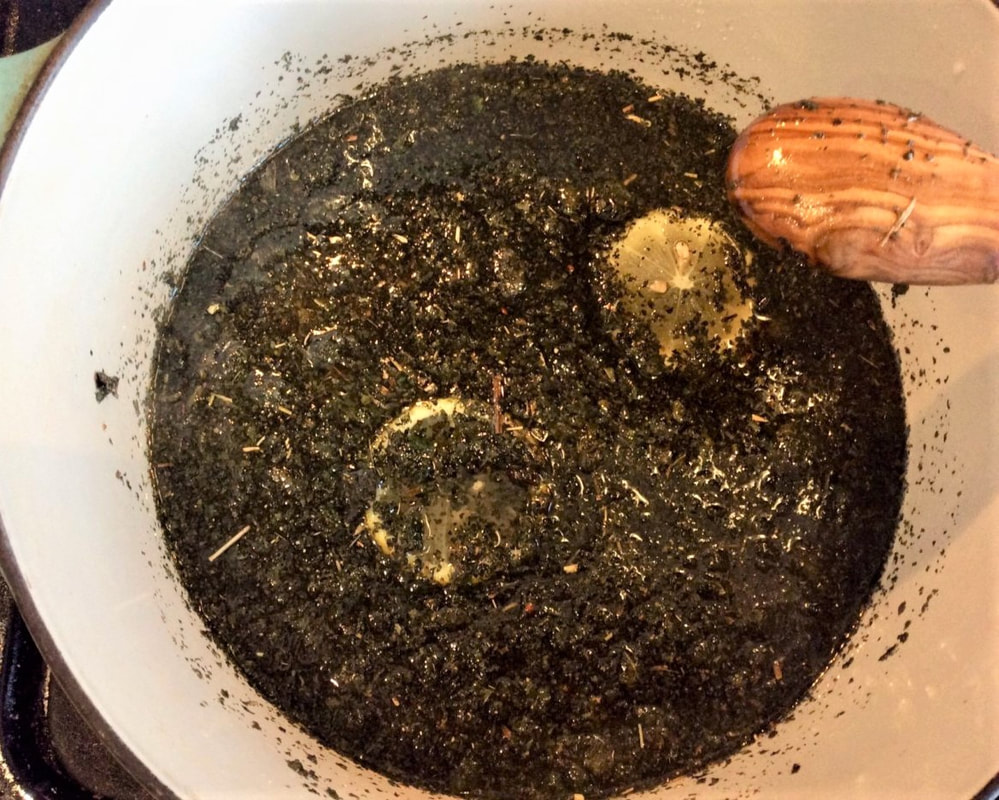
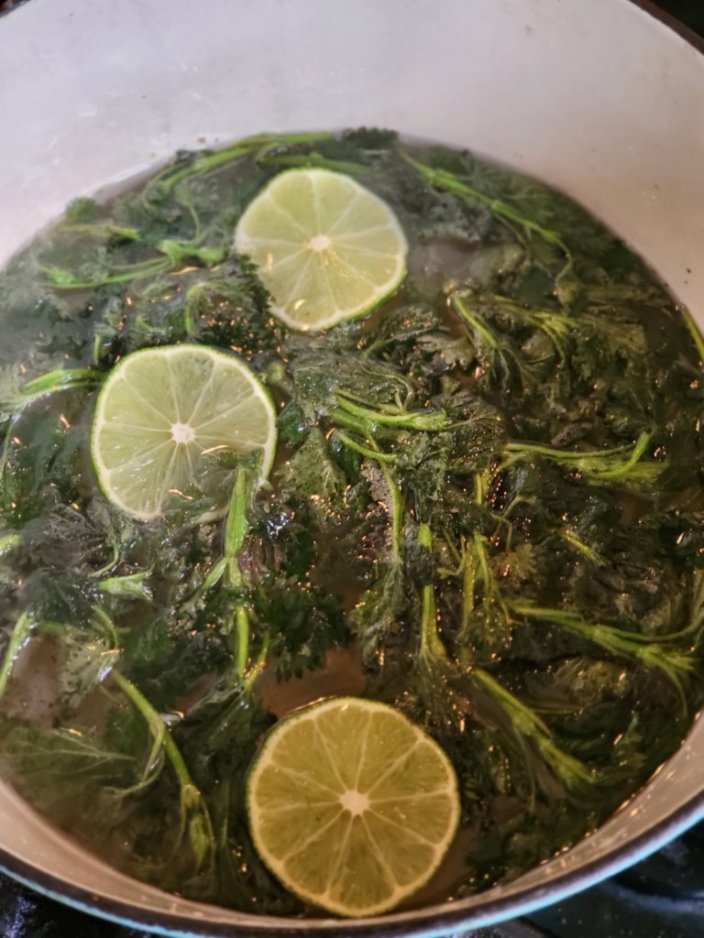
Add your sweetener & water to a good sized pot or coquette on med-hi heat. Stir to fully dissolve the sweetener & bring almost to a boil. Add your nettles, using long tongs to safely push fresh stems under the liquid. Stir well to incorporate completely. Add lemon slices. Keep on heat almost boiling/simmering for about 5 minutes. Try not to let it come to an actual boil, as that higher temperature will damage some of its beneficial properties & taste. Almost boiling is key here. Remove pot from heat & allow to steep for 10 minutes.
 Strain out plant material. To completely remove all of it you will need to double strain & run through a very fine mesh or jelly bag. I like to strain only once, leaving very tiny bits of leaf in my cordial-- they are pretty & nutritious. You can compost the spent nettles-- or pop them in your dehydrator to make candied nettles for snacking [seriously--try it!]
​Once strained to your liking, stir in the citric acid & stir to dissolve, adding between ½ teaspoon & a full teaspoon to your taste. The more you add, the sharper the flavor. I usually go lightly, adding only ½ tsp.
​
Picture
Allow it to steep off heat for 10 minutes before straining
Picture
Voila! Nettle cordial that will keep safely for about one month in your fridge.

Try a spoonful & marvel at that flavor! Add a bit to lemonade or simple soda water -- or try one of the following drink recipes.

Now that we have our cordial-- Let's make some tasty drinks with it!

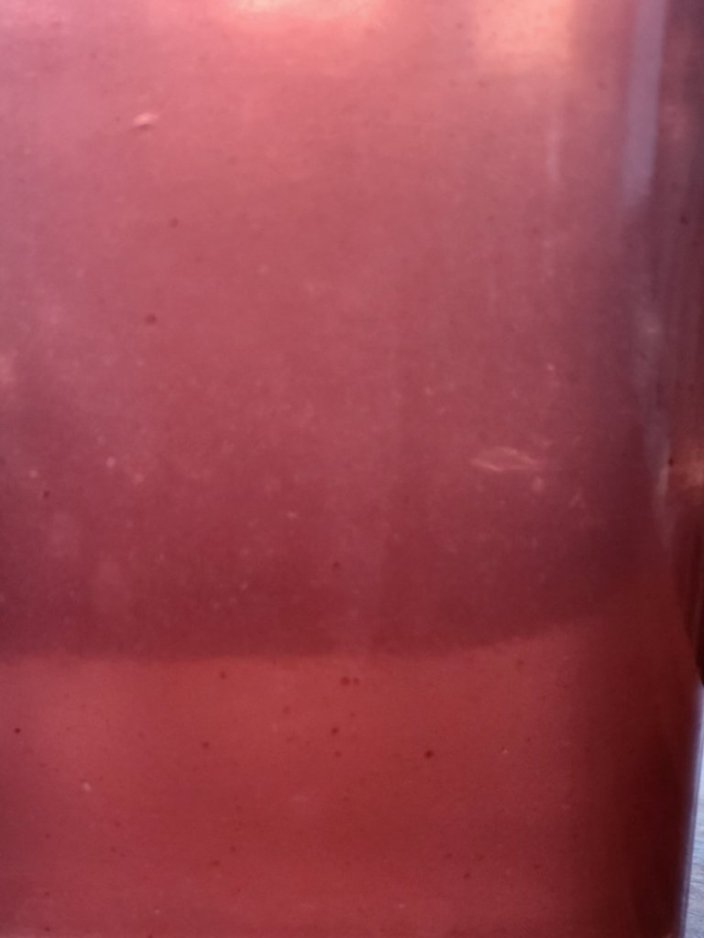
When using fresh instead of dried nettles, your cordial will be a stunning pale pink color like this!
Sparkling Prick Cocktail
2 oz Gin  
½ fresh lime juice  
​1 oz nettle cordial  
​
Splash soda water
Add gin, lime & cordial to shaker. Add ice & shake briskly.
Strain into a stemmed glass [I like a Nick & Nora for these] & garnish with a lime wheel if desired.
These are particularly tasty with a botanically forward gin instead of a dry London gin.
​
Picture
Nettle Refresher [Zero-Proof]
2 dashes Bitter Housewife Grapefruit Bitters  
1 oz nettle cordial  
Lime wedge  
​Soda water or sparkling water

Picture
Add bitters & nettle cordial to a Collins or other tall glass. Squeeze lime wedge into glass. Add ice to ⅔ full. 
Fill glass with sparkling water or club soda. Give a quick stir or 2 with a long bar spoon or straw. Garnish with lime wheel.
Enjoy!  These are wonderfully refreshing & quite relaxing.
That is it for this week!  I hope you enjoy these recipes & get some use of them. Nettles are a really wonderful herb to add to your diet, even simply enjoying them in tea.
​They are loaded with flavor & amazing benefits.
​Scoop them up in premade teas like we offer or dried at herb houses if you aren’t feeling brave enough to harvest them yourself -- just don’t pass them over for fear of a sting or you will truly miss out!
Take care until next time -- & don’t forget to 
 #StopAndEatTheFlowers
0 Comments

Herbal Spotlight: Limequats With Recipe for Limequat Curd & Tartlets

2/22/2021

3 Comments

 
Picture
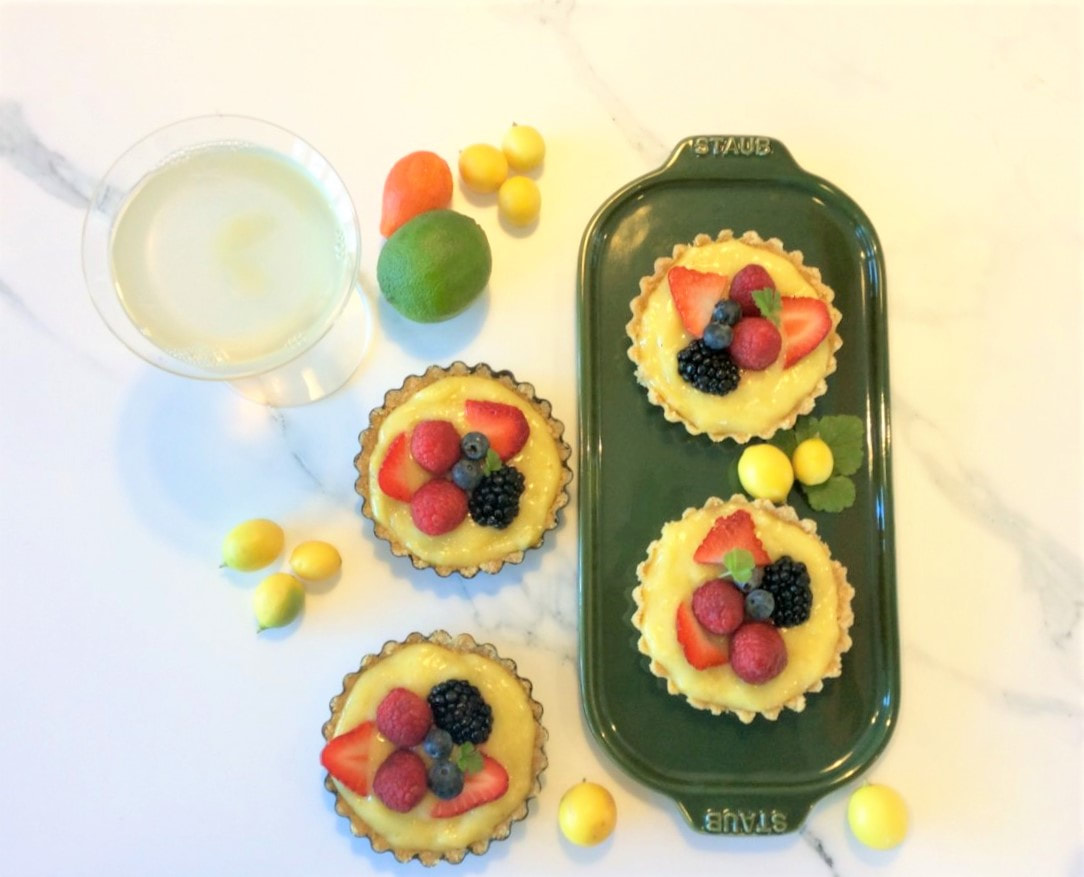
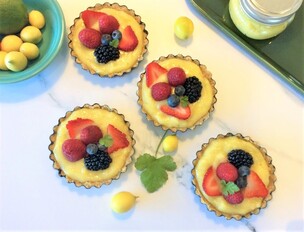
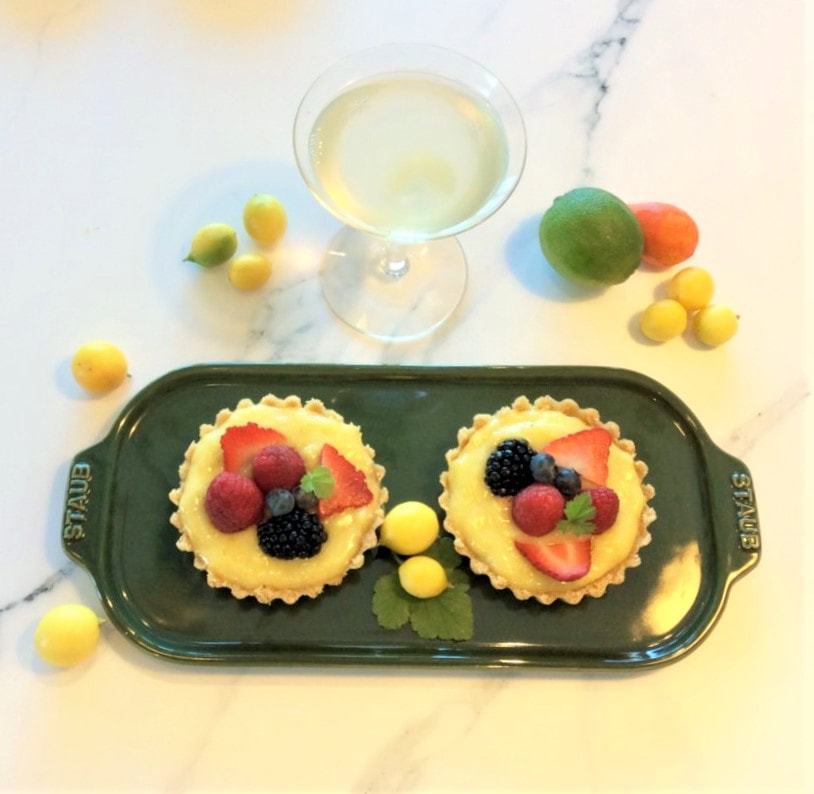
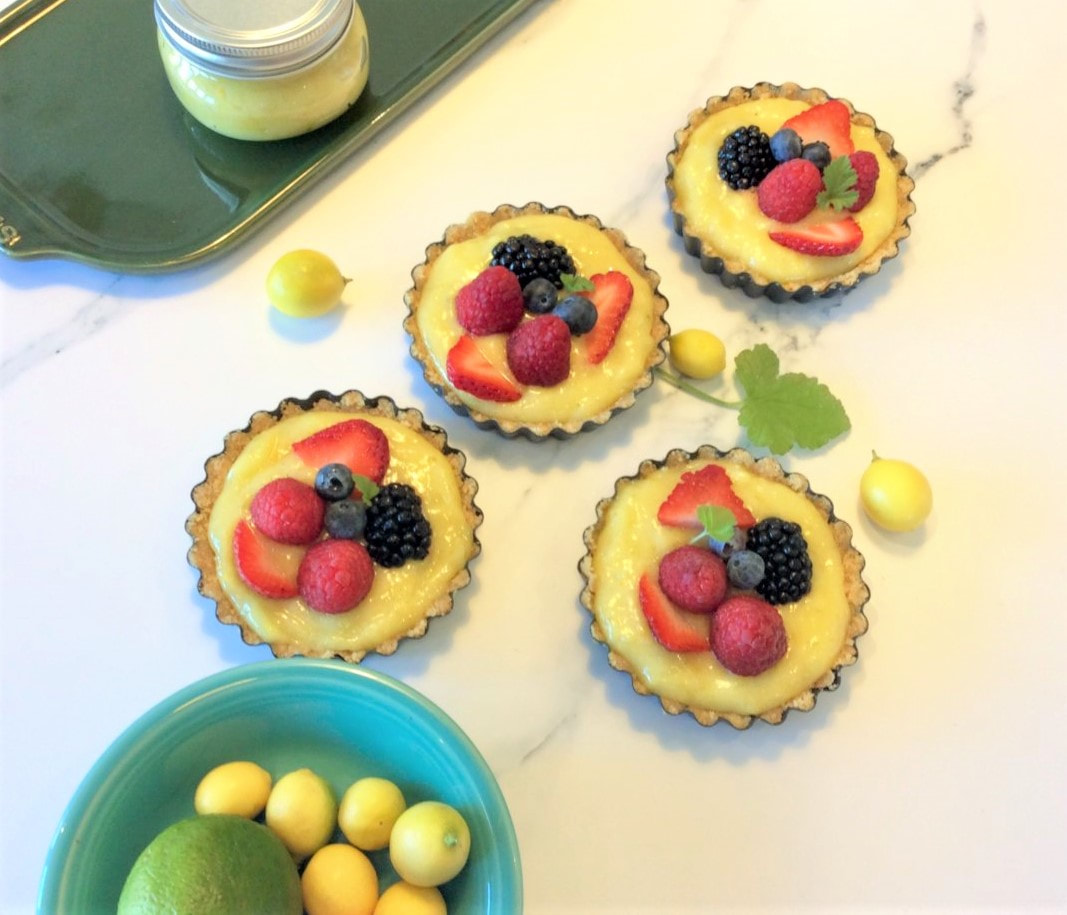
Curd and Tartlets and Cocktails -- Oh My!
Q:   What do you get when you cross a kumquat with a Key-lime?
A:   A tiny piece of Heaven!
Limequats are my most anticipated item of the yearly Winter-Citrus season & I wait impatiently all year long for these delicacies to arrive! Imma go a little crazy with 'em this week -- there will be Limequat cocktails & marmalade, as well as Limequat Curd & gorgeous Limequat Tartlets with a super easy, no-bake
sablée crust. Pucker Up & come along!
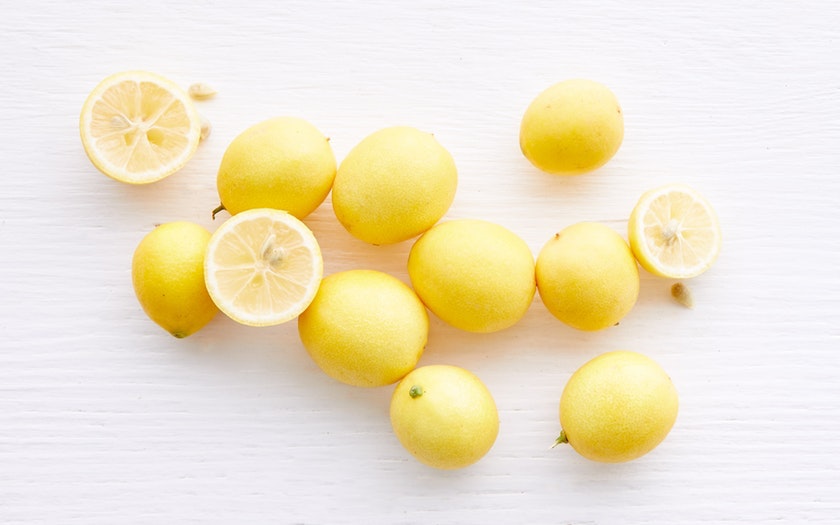
Limequats are the result of crossing Key-limes with kumquats in the early 1900s, a delicious hybrid known as Citrofortunella floridana. These bushy trees produce prolific amounts of fruit, which has reinforced their recent up-turn in popularity with home gardeners. [Oh! For my own heated conservatory I could grow them & vanilla orchids in! Sigh!] Limequats have a floral fragrance & unique, tangy-tart flavor. 
Picture
They are entirely edible like kumquats--seeds, peel, & all. [Most people find the seeds to be bitter & discard them] They are loaded with Vitamin C & folic acid, & have wide use applications. They can be eaten raw or cooked & work well in savory & sweet dishes & drinks, as do most citrus fruits. In our home it is a scramble to secure as many as we can each Winter & preserve a bunch to extend the season for our family. I make marmalade, curd, & syrups, being sure to freeze quite a bit in an attempt to last us the year. You can usually find them with the other Winter Citrus in specialty markets & maybe even your local Whole Foods -- We are very lucky indeed to be able to source them at our local Co-Op, Rising Tide.
Picture
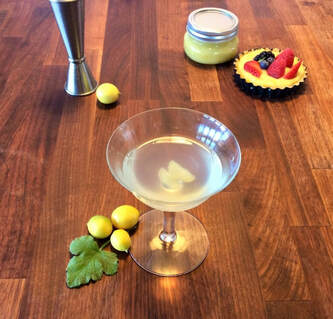
Limequat Aviations are one of my very favorites
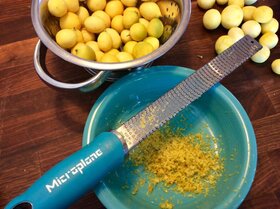
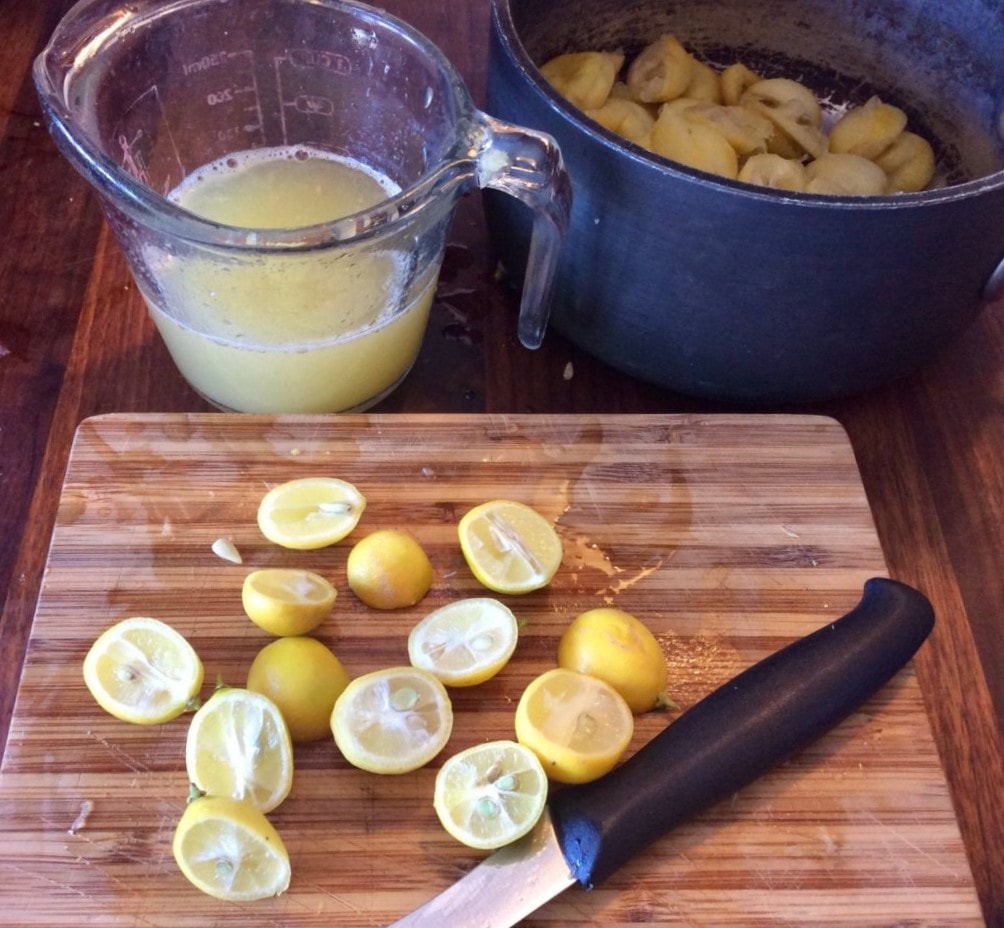
Their tart flavor works well with chicken & fish dishes. I adore using candied limequat halves as salad toppers as well, especially with a bright, apple-cider vinaigrette. But, my absolutely favorite way to enjoy them, unsurprisingly, is in curd & in cocktails. Making syrup not only yields lovely syrup which holds up in the freezer for a good 6 months, but also candied limequat pieces for salads & so is a huge Win-Win for us. I rely on the Power-Of-Three method for best syrup results with these tiny treasures -- Zest/Juice/Fruit.  I use the microplane to zest a few into my saucepan, cut a ​
handful in half & squeeze the juice in, AND add the halves as well to 1:1 water & sweetener. This method really makes the most of their amazing flavor. Once you strain off your syrup, simply pick out the seeds & let the fruit pieces cool-- then enjoy candied limequats on salads or as cocktail garnishes! Limequat syrup plays well with gin, tequila, & vodka, & it is particularly thirst-quenching in bubbly soda water as well for a simple, exotic homemade soda.
Martha Stewart has a dead simple recipe for no-cook Limequat Marmalade that is an amazing accompaniment to a cheese plate. It is also quite lovely with roasted chicken. For longer keeping, limequats make wonderful traditional marmalade preserves as well. Now, while both of these are worthwhile uses for limequats, Limequat Curd outshines them both. Ridiculously easy & outrageously delicious -- 
Picture
the curd is the way to go if you plan to only make one limequat recipe. Enjoy it on scones & toast [with or without clotted cream] or use it to fill tarts with my super quick [CHEAT!] sablée crust. You’ll be so glad you did! Here’s how:
Super Easy, No-Bake Sablée Crust for Tarts
10 oz Shortbread Cookies 
6 TBS Unsalted Butter, melted 
2 TBS Light Brown Sugar 
1 TBS Refined Sugar
Picture
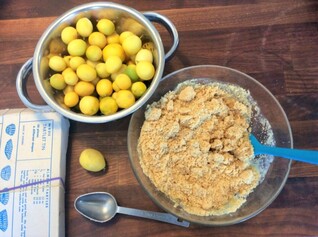
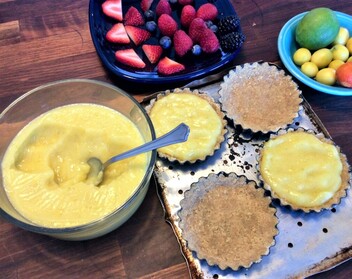
Process the cookies in a blender or food processor until even crumbs form. Add both sugars & pulse a few times to combine. Pour out into a mixing bowl & add the melted, working it into the crumb mixture evenly with a fork. Grease your pans & ramekins, then press an even layer of crumbs into them. Press it down firmly using fingers & the back of a metal measuring cup. That is IT! 
Refrigerate for at least 10 minutes before filling & you are all set! Seriously, no blind baking, no pie weights. You are good to go. This is enough to make a nice, thick crust for a large 9” tart or many smaller tartlets. Now on to the CURD!
Limequat Curd
3 Large Eggs 
1 cup Sugar 
⅔ cups Limequat Juice* 
2 TBS Limequat  Zest* 
4 TBS Unsalted Butter, small diced & chilled 
Pinch Sea Salt
* Feel free to add some regular lime juice &/or kumquat juice if you don't have enough limequats. For the zest, I highly recommend mixing in a little lime & kumquat zest with your limequats as the blend of yellow, green & orange is very pretty in the finished curd.
Zest your limequats [& any other fruit being used] & set aside. Juice your fruit & reserve, removing any seeds. I do not strain out the pulp from the fresh juice, as it adds such lovely flavor. Set up your double-boiler & simmer [or a stainless steel bowl placed over a saucepan of simmering water]. ​
Picture
Picture
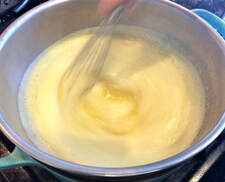
Add the eggs, sugar, & juice, & begin whisking to blend. Cook & continue whisking constantly to prevent the eggs curdling. It will foam up at first. As the foam dies down, you will see it start to thicken & get glossy. This should take between 5 & 10 minutes. ​
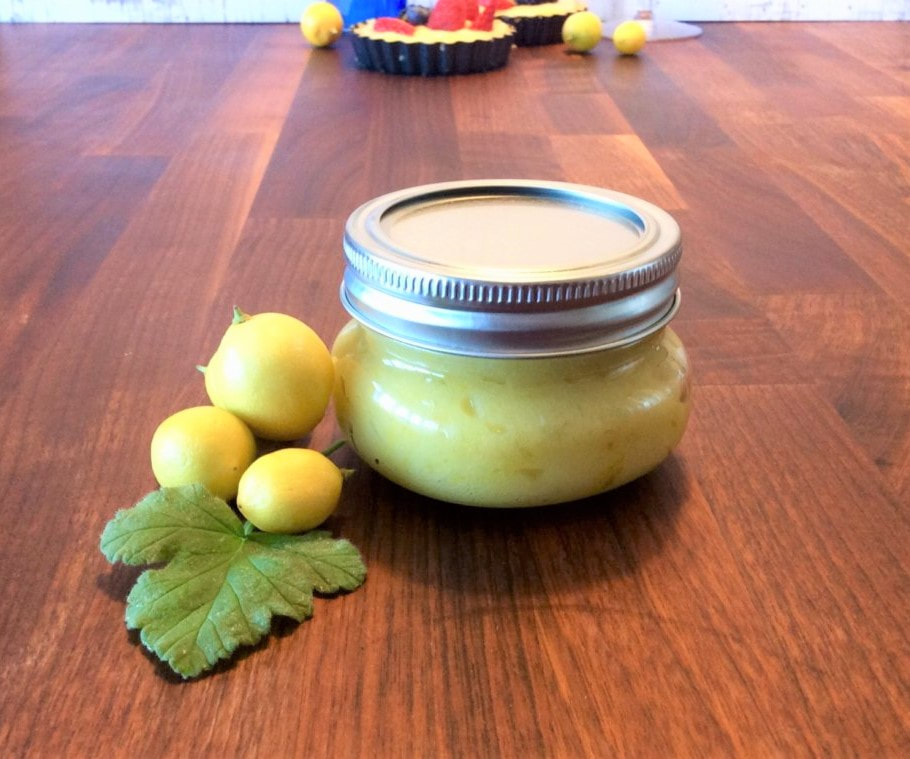
Once thick, remove from heat & begin to add the small pieces of butter, one at a time, whisking to incorporate. Once all of your butter has been whisked in, add the zest & pinch of salt. Voila, Limequat Curd! ​It will continue to thicken as it cools. This recipe makes about 3 cups of curd. Pop it into mason jars to store in the fridge -- These make lovely gifts if you are feeling generous! If you're making tarts, put the curd in the fridge to set-up & cool for at least 30 minutes before using it to filling. I like to top our Limequat Tartlets with fresh berries, but some whipped cream wouldn’t go wrong either.
Picture
Allow your curd to chill for at least 30 minutes before filling tarts.
There it is-- A pretty spectacular result from very little effort! I hope you enjoy the post & give the curd a try. It is always a hit. The tarts are so pretty too-- Please let me know what you think if you make it & share PICTURES!  Until next time -- Remember to  #StopAndEatTheFlowers
3 Comments
<<Previous
Forward>>

    Categories

    All
    Events
    Homesteading Tips
    Informational
    Ingredient Spotlight
    New Products
    Pet Care
    Recipes & Ingredients
    Soaps


    Picture
    Beautiful AND Responsible

      Sign Up Here For Our Newsletter

    Subscribe to Newsletter

    Picture
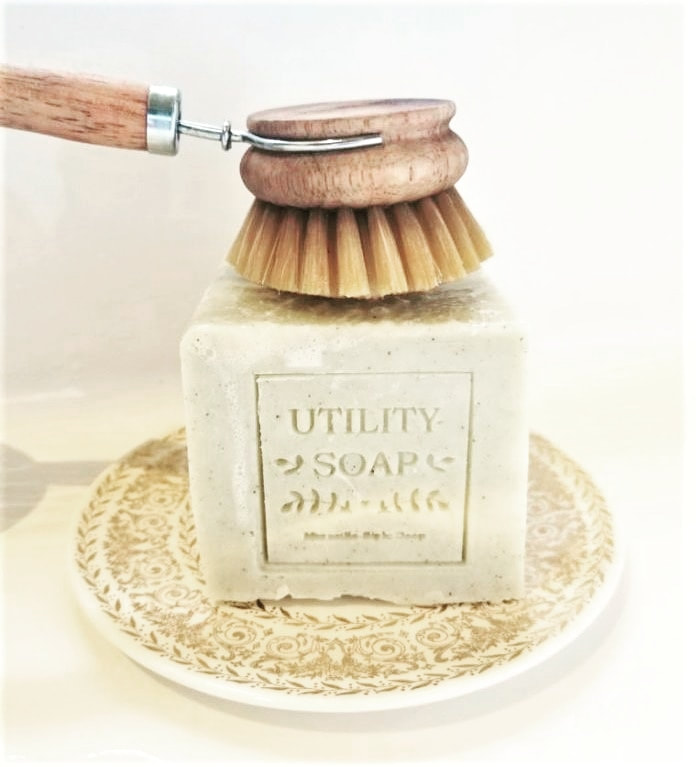
    Meet the Centuries-Old, French Cleaning Classic ​with A Modern Twist

    Author

    My husband & I were blessed with 2 beautiful girls. When I was diagnosed with MS, I couldn't keep up the pace working retail. We decided on a simpler life, built a cabin in the woods, & moved to mid-coast Maine ​


    Picture
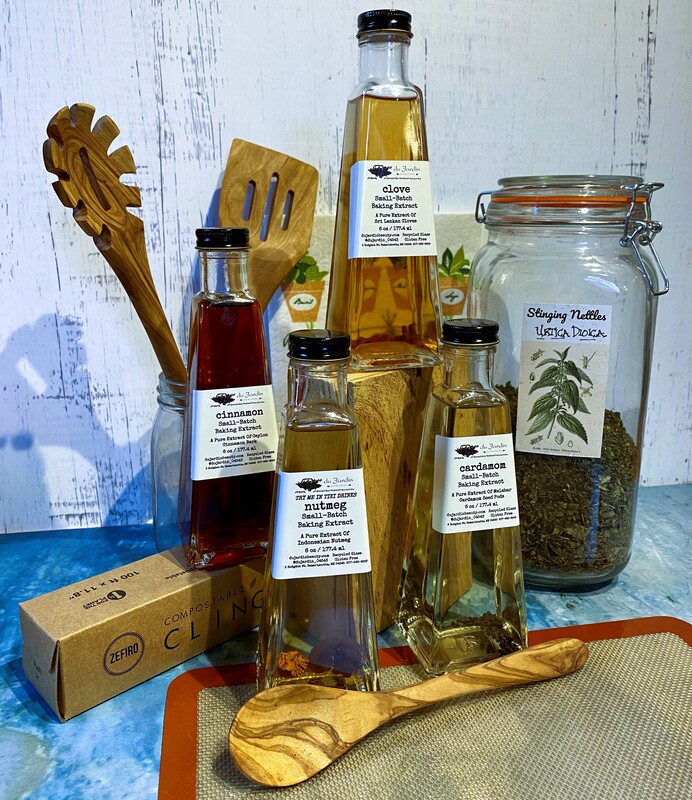
    Treat Yourself To Our Amazing, Handcrafted Extracts

    Archives

    July 2025
    May 2024
    March 2024
    February 2024
    November 2022
    October 2022
    March 2022
    February 2022
    December 2021
    November 2021
    October 2021
    September 2021
    August 2021
    July 2021
    June 2021
    May 2021
    April 2021
    March 2021
    February 2021
    January 2021
    December 2020
    November 2020
    October 2020
    September 2020
    August 2020
    July 2020
    June 2020
    May 2020
    April 2020
    March 2020
    November 2019
    October 2019
    August 2019
    July 2019
    June 2019
    May 2019
    April 2019

    Picture
    Discover Luxury Herbal Skincare For All Skin Types
    Picture
    Our Multi-Purpose Utility Soaps Are Our Best Sellers For A Reason! Find Out For Yourself!
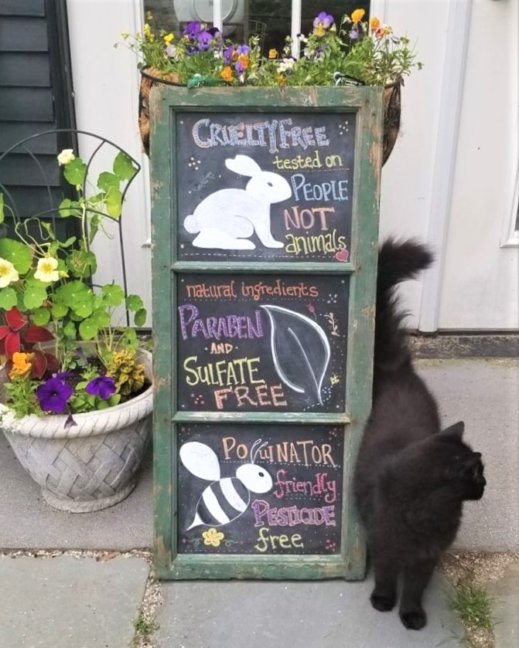
Always Free of Phthalates, Parabens, Formaldehyde-Releasers, Petro-Chemicals
​ 
& Sulfates.
Store Hours:
Wednesday 11 am - 4 pm
​Thursday 11 am - 4 pm
​Friday  10 am - 4 pm
Saturday 11 am - 3 pm

Interested In Being A Stockist?
 Click Here for Wholesale Info
contact us:
Picture

    Sign Up For Our Newsletter:  Recipes,
    Special Events, Promo Codes

Subscribe to Newsletter

207-563-6256      [email protected]       © Du Jardin 2019 

127 Elm Street  Suite #2 -  Damariscotta, Maine 04543