Menu
  Du Jardin Beauty
  • Home
    • Workshops & Events
    • Spotlight
    • Reviews & Testimonials
  • Shop
    • HOLIDAY GIFT SHOPPE
    • eGift Cards
    • Luxury Skincare
    • Herbal Haircare
    • Best-Sellers
    • Multi-Purpose Utility Soaps
  • GIVING BACK
    • Wild & Locally Sourced
    • Charity: New Hope Midcoast
    • Fair-Trade Items
  • LEARN
  • About Us
    • FAQ's & Policies
    • Contact
    • Services
  • Wholesale
  • Home
    • Workshops & Events
    • Spotlight
    • Reviews & Testimonials
  • Shop
    • HOLIDAY GIFT SHOPPE
    • eGift Cards
    • Luxury Skincare
    • Herbal Haircare
    • Best-Sellers
    • Multi-Purpose Utility Soaps
  • GIVING BACK
    • Wild & Locally Sourced
    • Charity: New Hope Midcoast
    • Fair-Trade Items
  • LEARN
  • About Us
    • FAQ's & Policies
    • Contact
    • Services
  • Wholesale

Du Jardin Learning Center

Herbal Spotlight: Queen Anne's lace with QAL Wildflower Jelly Recipe

8/24/2020

7 Comments

 
Picture
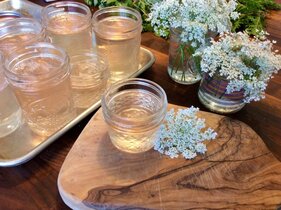
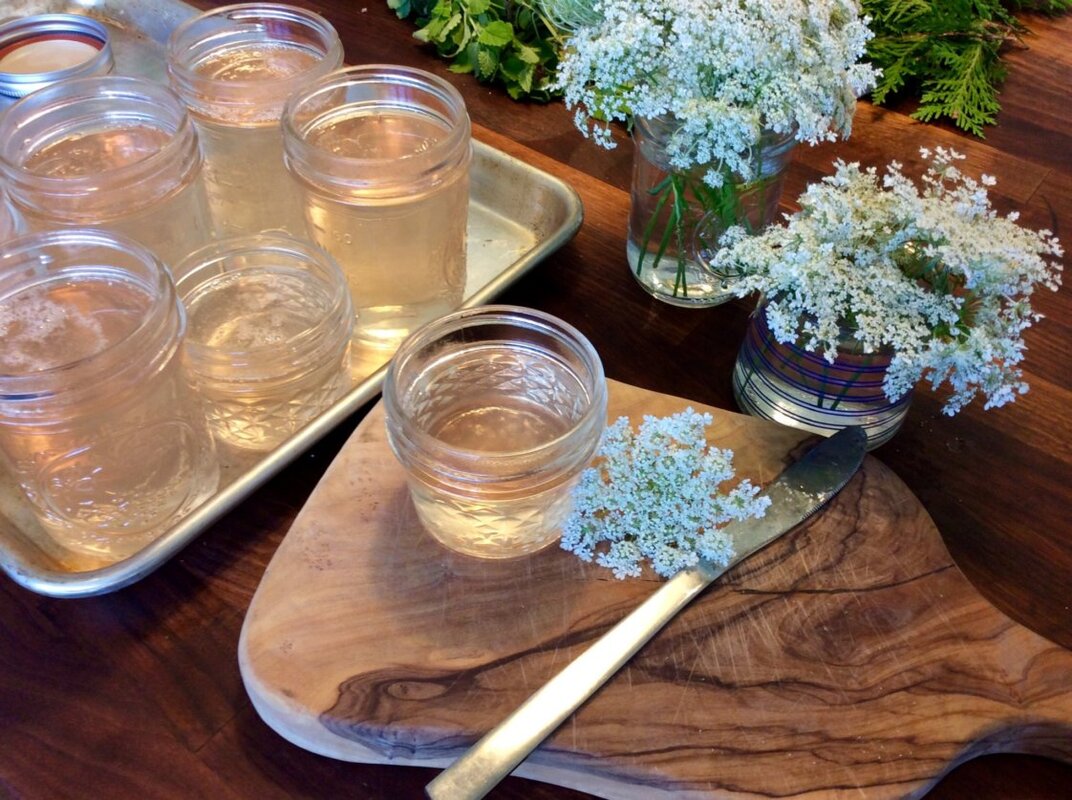
This QAL jelly is delectable and oh-so-pretty!
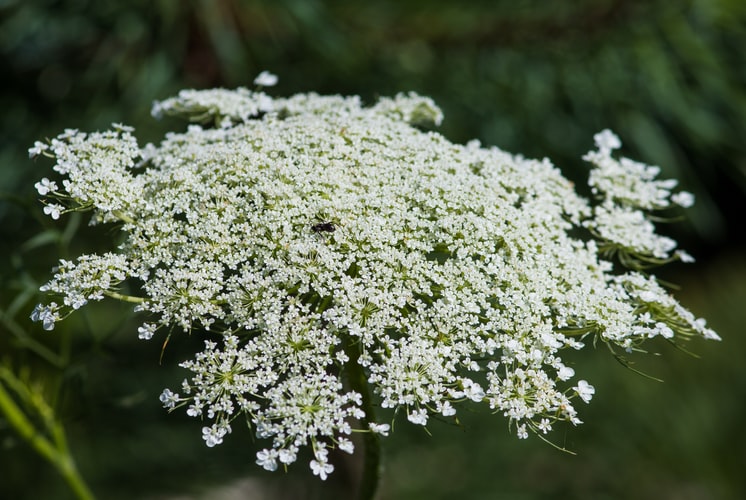
These lacy, white wildflowers are familiar to most, popping up in fields & roadsides wherever they please. They are also not-just-edible, but DELICIOUS! ​ In this post, I will talk about identifying & foraging Queen anne's lace, its traditional uses, & I'll also share my recipe for incredibly delicious jelly made with these beautiful flowers.
Picture
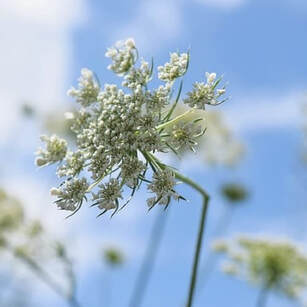
This herbal ally blooms from early Summer all through to mid-September
 Queen Anne’s lace is also known as Wild Carrot, & you will notice her foliage looks very similar to garden carrot’s. This plant has so many uses: her roots are long, pale, & quite-thin. They have traditionally been used to help prevent kidney stones; pressed & essential oil of her seeds does AMAZING things for the skin! gathered before flowering, they can be used in soups, stews & teas. The leaves can be chopped & added to salads for a parsley-citrus like flavor. Flower clusters can be tempura ‘french-fried’ or fresh flowers can be eaten raw, used for jelly, or made into cordials & syrups. 

Wild Carrot Seed Oils: Derived from the seeds of Queen Anne’s Lace,  this powerful oil is traditionally used to boost collagen production & help to repair sun damage on the skin. It's been shown to brighten & tone the skin, tightening to prevent sagging. Carrot seed oils helps to remove hyperpigmentation by hindering tyrosinase in the skin. Leaves skin with a natural radiance & glow.
Picture
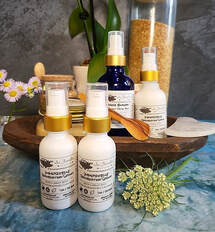
rejuvenating face serum with
​queen anne's lace
Picture
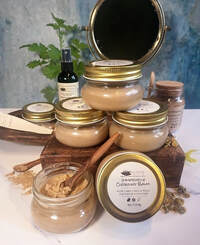
our best-selling cleansing ​balm
​features queen anne's
Picture
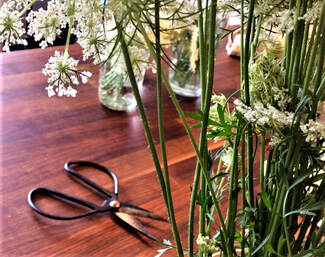
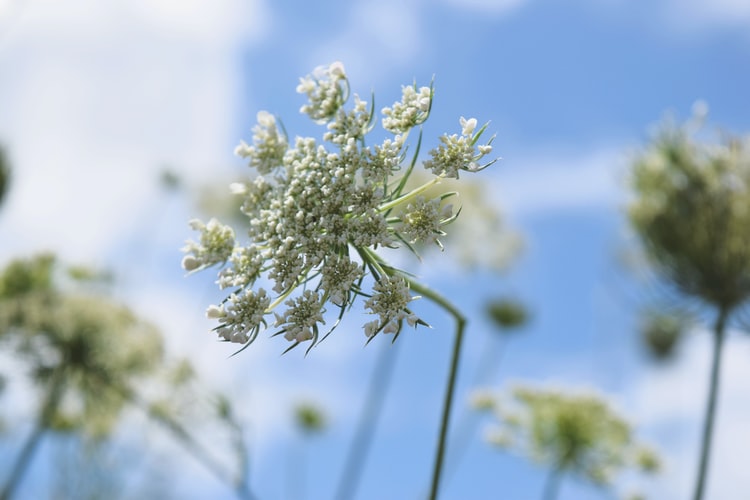
​The flowers grow in umbels or clusters of multiple, small flowers. Many, but not all feature a deep purple 'heart' just-off-center in the umbel.  It is a member of the Apiaceae family, which includes some poisonous, dangerous plants, so it is very important you are 100% sure what you are gathering when collecting QAL for culinary or medicinal use. Fortunately, Queen Anne’s Lace is easy to recognize when you know what to look for.
An easy key ID factor that is easy to remember too is “The Queen Has Hairy Legs”-- Queen Anne’s Lace has solid, green stems covered with tiny ‘hairs’ while her dangerous lookalikes, Poison Hemlock & Water Hemlock, have hollow, smooth stems with purple splotches. Once you confirm solid, hairy stems, you can rule out the poisonous look-alikes. Additionally, older flowers of QAL curve up & in upon themselves to form a bird’s nest shape -- an additional unique ID factor.​
Picture
Hairy Legs Indeed!
Not surprisingly, my favorite ways to use QAL are for jelly, cordials, & syrups. The flowers are also lovely for drink garnishes. We have had an especially large bloom of them this year -- something I have definitely been taking advantage of, especially for the jelly!  This is a typical wildflower jelly, made by steeping the flowers as a ‘tea’ overnight, but QAL jelly has two very unique characteristics. First, the flavor is unlike anything else, sort of a floral-peachy flavor--almost a natural Juicy-Fruit-Gum taste, but less sweet-- truly delicious. Secondly, most of the time the addition of the lemon juice causes the liquid to turn a gorgeous soft-pink color! It must be a pH thing [alkaline soil maybe?] & not every batch does it, but more-often-than-not, adding the acidic juice instantly turns the QAL tea from yellow-orange to pastel pink & every batch this year has done it.
​Let’s get started with a batch--

Queen Anne’s Lace Wildflower Jelly

2 cups QAL Umbels 
5 Cups Water 
3 TBS Fresh Squeezed Lemon Juice 
3 1/2 Cups Sugar 
1 Pouch Liquid Pectin [or 2 TBS powdered pectin]
Picture
Picture
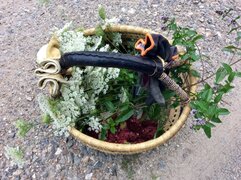
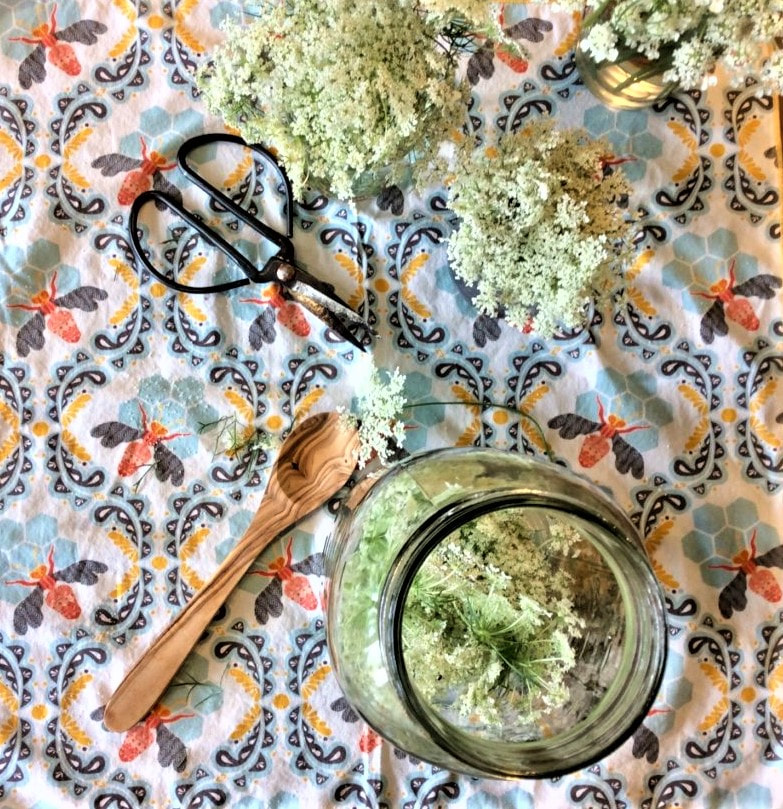
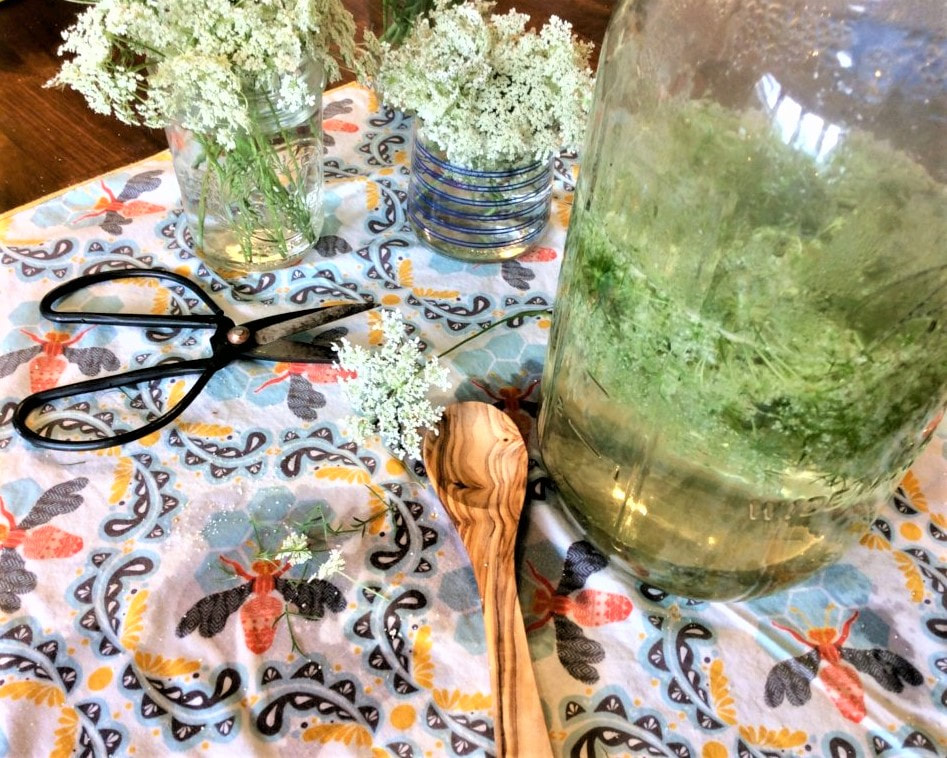
 First things first--Confirm your ID & gather your blossom. As always, be sure to gather flowers only from plants you are sure have not been treated with pesticides. You'll need about 2 cups of flowers [or about 20 umbels] to make a batch of jelly. Sort your blossoms, taking care to remove any hitchhikers; remove leaves, stems &  green bottoms of the umbel bases. Pop your flowers in a colander & give them a good rinse. Bring 5 cups of water to a full boil. Carefully pour the water into a large mason jar & add your cleaned flowers, pressing them down into the water with a wooden spoon. Allow to cool completely, cap & set aside to steep overnight.
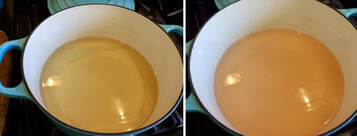
Strain off your liquid the next day with a fine strainer or cheesecloth. You can compost or toss out the spent flowers. Measure out 4 cups of the pale yellow-orange liquid into a heavy pot. Prepare your jelly jars & have them at the ready.  Add 3 TBS fresh lemon juice & your pectin to your ‘QAL tea’ in the pot. It is at this point your jelly will most likely turn pale-pink! ​
Picture
The addition of the lemon juice turns our jelly from pale yellow to soft pink!
Picture
Bring this mixture to a boil, stirring occasionally. Once at full boil, add your sugar, stirring to combine until fully dissolved. Bring this mixture back to a full, rolling boil & cook until glossy & thick, about 5-10 minutes. Ladle the jelly into jars leaving ¼” head space & set aside to cool completely or process for 10 minutes in a canner water bath if you intend to store it -- And there you have it!  Queen Anne’s LaceWildflower Jelly!
Outrageously beautiful AND delicious, we find it pairs nicely with sharp cheeses on a cheese board [& looks so pretty there too!] or with grilled chicken-- but you seriously can’t go wrong just slathering it on toast!  Let me know how you use yours--& did it turn pink? I am so curious about the science behind that…  Until next time-- TAKE CARE & take time to  #StopAndEatTheFlowers
7 Comments
Karin Lutring link
8/28/2020 08:02:54 am

Thank you for posting this on Instagram. Great idea to make QAL jelly! Mine turned out amazing. I didn’t have pectin at home so I used jelly crystals instead. Worked fine. Will go out to pick more QAL flowers for more jelly making 😁🥰🧙‍♀️

Reply
Susan Chalmers
8/28/2020 03:30:11 pm

Cheers Karin! It's delicious, isn't it!? So glad you are enjoying it-- I always send a link to our blog posts out in my newsletter, but I'm glad I added it our Instagram too so you found it! Did yours turn pink?!

Reply
Debbie
8/9/2023 04:41:38 pm

Thank you for this recipe! I canned them this afternoon but they are still liquid. How long does it take to gel up?

Reply
Susan Chalmers
8/10/2023 08:21:03 am

Hello Debbie! Glad you gave it a try! It should set in the pot, so it must need to 'cook' longer. If you have poured it into the jelly jars already, that is okay! You can still 'rebatch'-- just pour them all back into your cook pot & continue heating until it sets up. Easiest wat to tell is to have a metal spoon in the freezer to tst with-- once the jally is thickened & bubbling, dip the cold spoon in to see if it sets! Did yours turn pink? I love that color change when it happens!!

Reply
Debbie
8/10/2023 11:45:47 pm

Thank you! It worked! It took quite some time for it to cook enough to gel up - almost 15 minutes, but it did. It tastes amazing! There is almost like a flowery honey taste to the jelly. Mine came out more of a golden color and didn't turn pink. Not sure if that is because of the extended cooking time or because some of my umbrels had started to turn into the "birds nest". Either way, it tastes yummy! I brought a jar into work and we had it with cheddar cheese and pita chips and it was a huge hit. Thank you for your help!

Susan Chalmers
8/11/2023 09:06:51 am

Debbie-- So glad it set up-- It is delicious, isn't it. I would say ours only turns pink 50% of the time, & most often the younger the blossoms are. No matter the color, it is quite delicious! And such a fun use for these beautiful flowers. Thank you for sharing!

Reply
Regi Loves Veggies link
8/22/2023 12:12:29 pm

Thanks for thiss blog post

Reply


Leave a Reply.

    Categories

    All
    Events
    Homesteading Tips
    Informational
    Ingredient Spotlight
    New Products
    Pet Care
    Recipes & Ingredients
    Soaps


    Picture
    Beautiful AND Responsible

      Sign Up Here For Our Newsletter

    Subscribe to Newsletter

    Picture
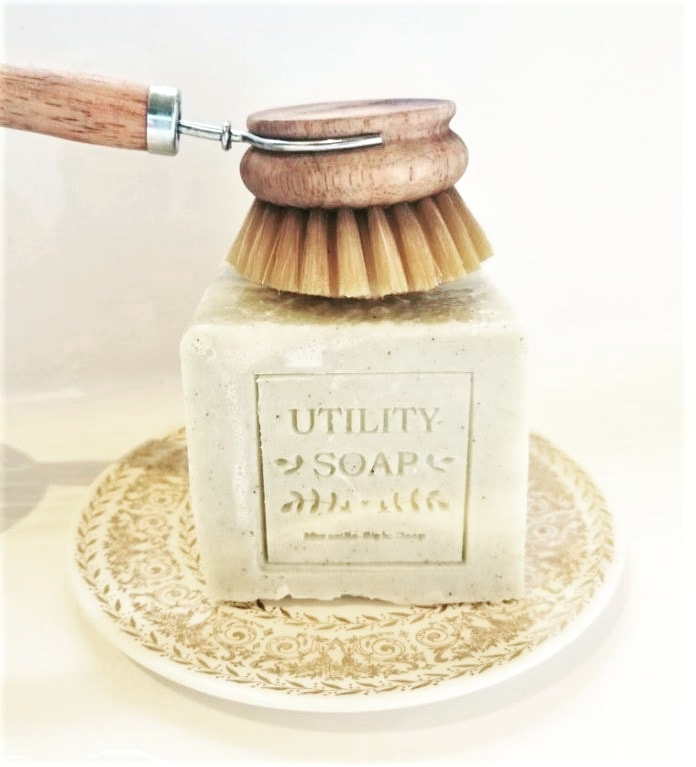
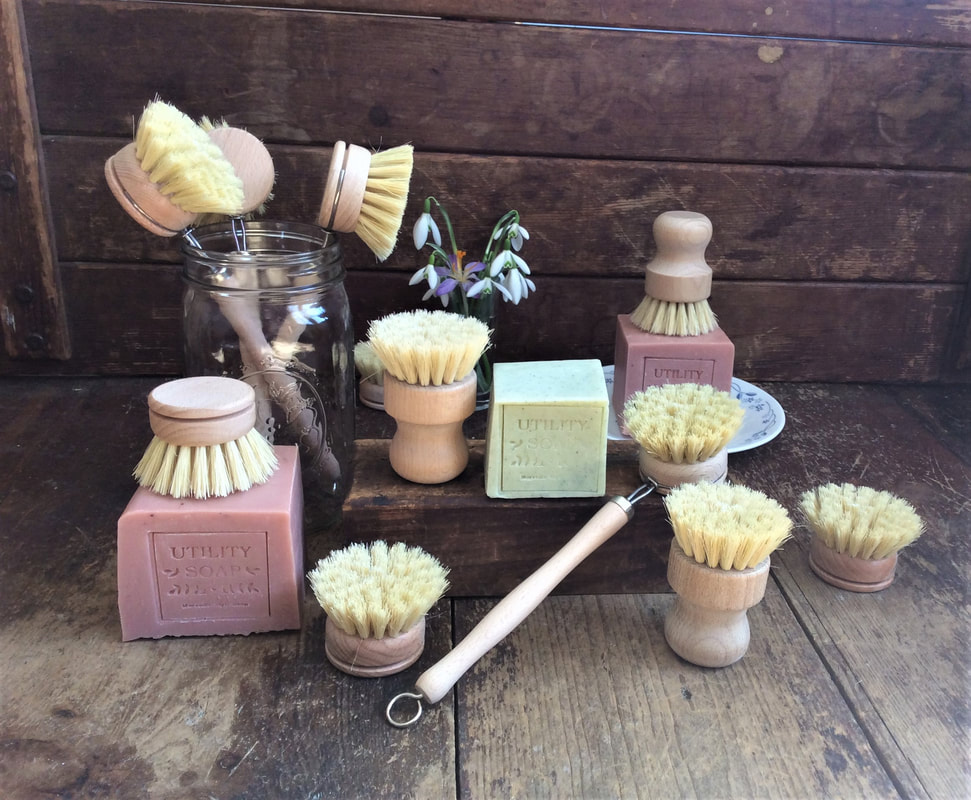
    Meet the Centuries-Old, French Cleaning Classic ​with A Modern Twist

    Author

    My husband & I were blessed with 2 beautiful girls. When I was diagnosed with MS, I couldn't keep up the pace working retail. We decided on a simpler life, built a cabin in the woods, & moved to mid-coast Maine ​


    Picture
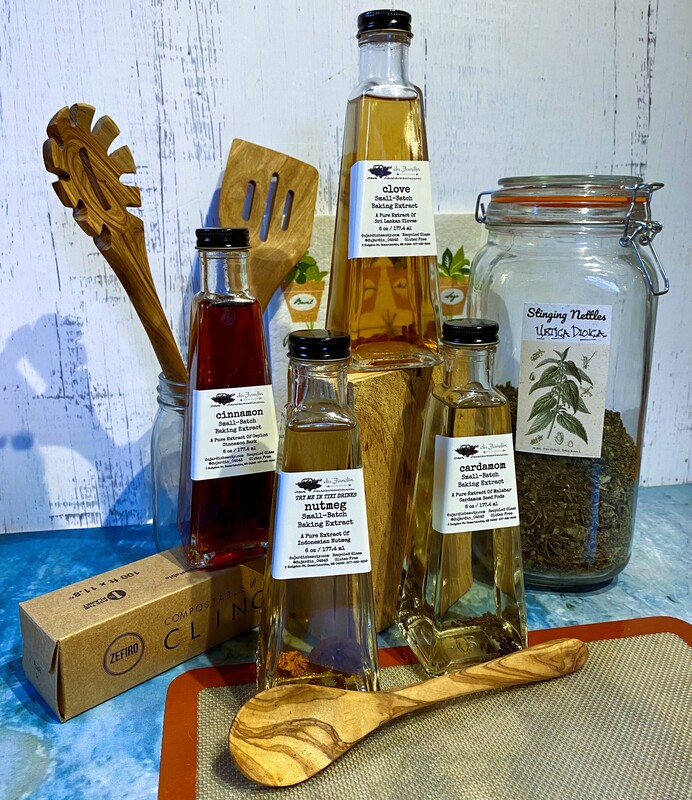
    Treat Yourself To Our Amazing, Handcrafted Extracts

    Archives

    July 2025
    May 2024
    March 2024
    February 2024
    November 2022
    October 2022
    March 2022
    February 2022
    December 2021
    November 2021
    October 2021
    September 2021
    August 2021
    July 2021
    June 2021
    May 2021
    April 2021
    March 2021
    February 2021
    January 2021
    December 2020
    November 2020
    October 2020
    September 2020
    August 2020
    July 2020
    June 2020
    May 2020
    April 2020
    March 2020
    November 2019
    October 2019
    August 2019
    July 2019
    June 2019
    May 2019
    April 2019

    Picture
    Discover Luxury Herbal Skincare For All Skin Types
    Picture
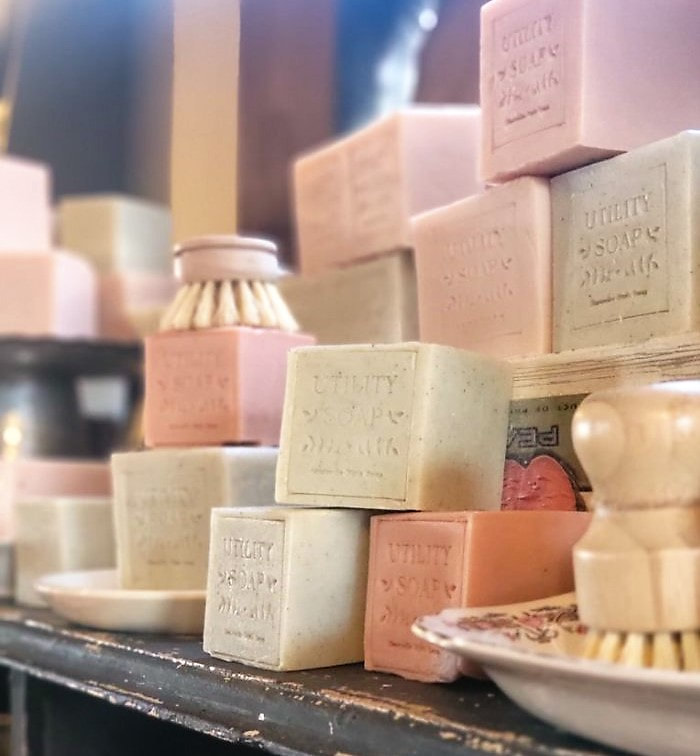
    Our Multi-Purpose Utility Soaps Are Our Best Sellers For A Reason! Find Out For Yourself!
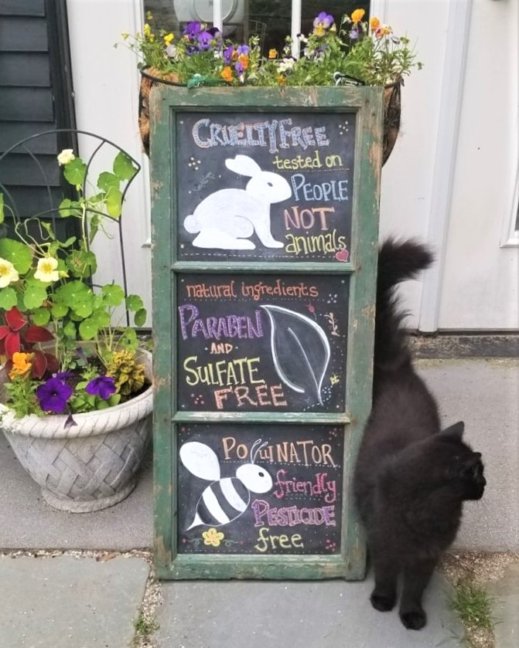
Always Free of Phthalates, Parabens, Formaldehyde-Releasers, Petro-chemicals & Sulfates.
Store Hours:
Wednesday 11 am - 4 pm
​Thursday 11 am - 4 pm
​Friday  10 am - 4 pm
Saturday 11 am - 3 pm
Damariscotta Farmers Market:​
May 16 - Oct 31 2025

Interested In Being A Stockist?
 Click Here for Wholesale Info
contact us:
Picture

    Sign Up For Our Newsletter:  Recipes,
    Special Events, Promo Codes

Subscribe to Newsletter

207-563-6256      [email protected]       © Du Jardin 2019 

127 Elm Street  Suite #2 -  Damariscotta, Maine 04543